
Tianjin Binhai Yashanway Import and Export Co., Ltd. is one of the leading manufacturers and suppliers of flying saw blades for steel pipes in China, specialized in providing high quality customized service. If you're going to wholesale the newest flying saw blades for steel pipes made in China, welcome to get free sample from our factory. For price consultation, contact us.
Flying Saw Blades for Steel Pipes
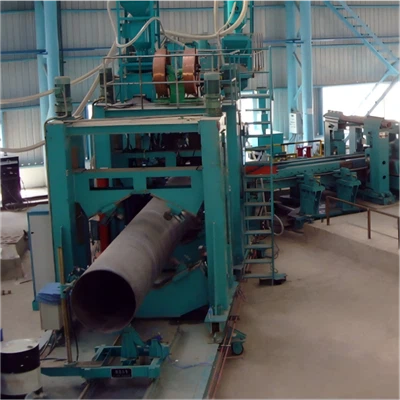
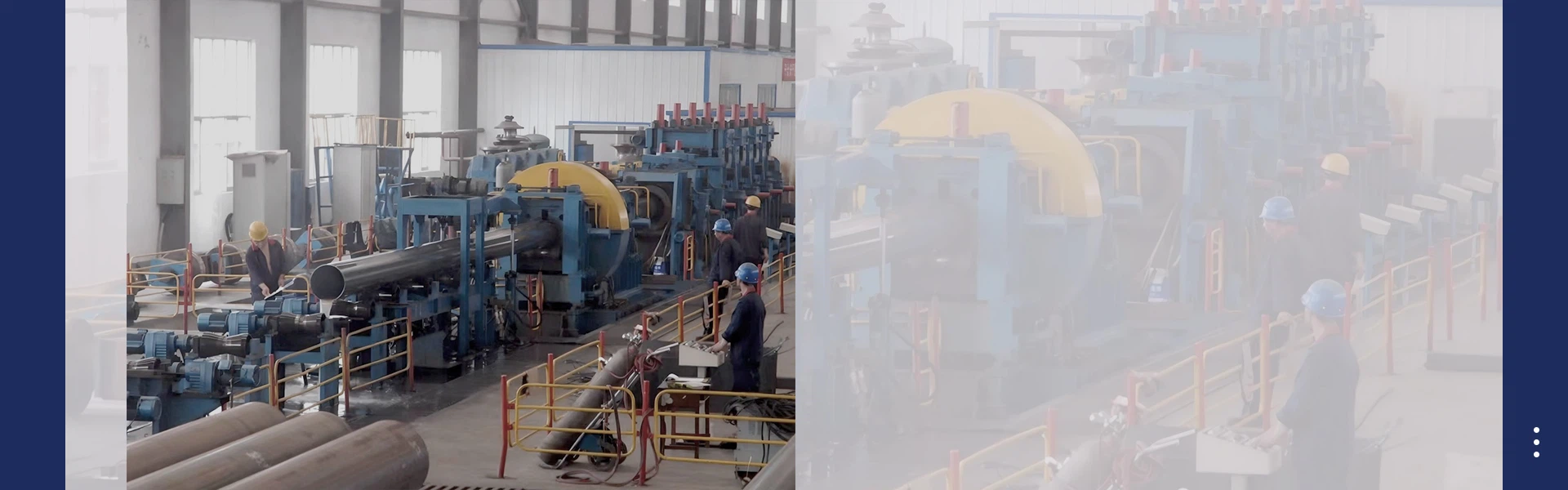
Flying saw blades are circular cutting tools used for online fixed-length cutting of continuously produced steel pipes, welded tubes, hollow sections, and selected structural profiles. In a flying cut-off system, the saw unit travels with the moving tube during the cutting cycle, allowing the production line to continue operating.
TCT and HSS configurations are available for different tube mill machines, steel grades, wall thicknesses, and operating conditions.
Product Overview
TCT Flying Saw Blades - Carbide-tipped tooth configuration for selected high-speed tube mill cut-off applications.
HSS Flying Saw Blades - High-speed steel configuration for specific tube materials and machine conditions.
Online Cut-Off - Suitable for continuous tube production where fixed-length cutting is integrated into the mill line.
Custom Dimensions - Blade diameter, bore, thickness, tooth count, and mounting details can be specified according to the machine and application.
Technical Specifications
|
Technical Parameter |
Typical Specification |
|
Product Type |
TCT / HSS Flying Saw Blade |
|
Blade OD |
110 - 1800 mm |
|
Bore / ID |
30 - 80 mm |
|
Blade Thickness |
1.6 - 6.0 mm |
|
Tooth Count |
12 - 40 teeth |
|
Cutting Mode |
Online fixed-length flying cut-off |
|
Lead Time - Standard |
Typically 15 - 25 working days |
|
Lead Time - Custom |
Typically 25 - 35 working days |
TCT vs. HSS Blade Selection
TCT Configuration - Uses carbide-tipped teeth brazed to a steel blade body and is commonly selected for demanding tube mill cut-off conditions.
HSS Configuration - Uses a high-speed steel cutting body and can be selected for specific tube materials, machine configurations, and cutting parameters.
Selection Basis - The choice should consider steel grade, tube dimensions, line speed, blade size, tooth geometry, and machine interface.
No Universal Choice - TCT is not automatically the better option for every application; the blade should be matched to the actual cutting conditions.
Blade Selection Factors
Tube Dimensions - Provide outside diameter and wall thickness for the complete production range.
Material - Steel grade and material condition affect tooth geometry and blade selection.
Line Speed - Actual and maximum production speed should be confirmed when selecting the blade.
Machine Interface - Blade OD, bore, thickness, keyway, mounting dimensions, and machine model should be checked for compatibility.
Applications
ERW Tube Mills - Online fixed-length cutting of continuously welded steel tubes.
Hollow Sections - Cutting of round, square, and rectangular hollow sections on compatible flying saw systems.
Structural Profiles - For selected steel profiles where the machine and blade configuration are suitable.
Replacement Blades - Suitable for replacement requirements based on existing blade dimensions, drawings, or samples.
Custom Blade & Replacement Support
Existing Blade Replacement - Provide the current blade dimensions, tooth count, mounting details, or technical drawing.
New Machine Projects - Provide the flying saw machine model and technical specifications.
Multi-Size Production - Provide the complete tube OD and wall thickness range rather than a single tube size.
Drawing-Based Production - CAD files, drawings, dimensional records, and available blade samples can be used for specification review.
Information Required for Quotation
|
Required Information |
Examples |
|
Flying Saw Machine |
Machine model / manufacturer |
|
Tube Size |
OD and wall thickness |
|
Steel Grade |
Carbon steel / stainless steel / specified grade |
|
Production Speed |
Normal and maximum line speed |
|
Existing Blade |
OD, bore, thickness, tooth count |
|
Mounting Details |
Keyway and other interface dimensions |
|
Blade Drawing |
CAD file or technical drawing, if available |
|
Application |
New machine or replacement blade |
FAQ
Q: How do I choose the right flying saw blade?
A: Start with the flying saw machine, tube OD, wall thickness, steel grade, and production speed. Blade OD, bore, thickness, tooth count, tooth geometry, and mounting dimensions should then be matched to the machine and cutting conditions.
Q: What is the difference between TCT and HSS flying saw blades?
A: TCT blades use carbide-tipped teeth on a steel body, while HSS blades use high-speed steel as the cutting material. The appropriate configuration depends on the tube material, production speed, machine design, and required cutting conditions.
Q: Can you manufacture a replacement blade from our existing blade?
A: Yes, subject to technical review. Existing blade dimensions, drawings, CAD files, mounting details, or a physical sample can be used as reference for a replacement specification.
Q: What information is needed for a custom blade?
A: The main information includes machine model, blade OD, bore, thickness, tooth count, tube OD, wall thickness, steel grade, production speed, and mounting details. A technical drawing is recommended where available.
Q: What can cause premature blade wear?
A: Blade wear can be associated with unsuitable tooth geometry, incorrect alignment, vibration, inappropriate cutting parameters, material conditions, or operating speeds outside the intended range. Reviewing the worn blade together with tube and machine data can help identify the appropriate specification.
Hot Tags: flying saw blades for steel pipes, China flying saw blades for steel pipes manufacturers, suppliers, factory, carbon steel tube material, construction tube steel material, heat treated pipe steel material, pipe extrusion steel billet, pipeline steel grade material, Submerged Arc Welding Wire