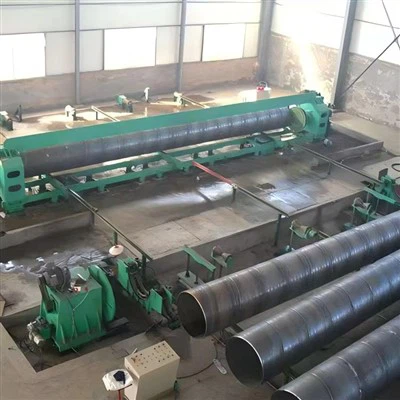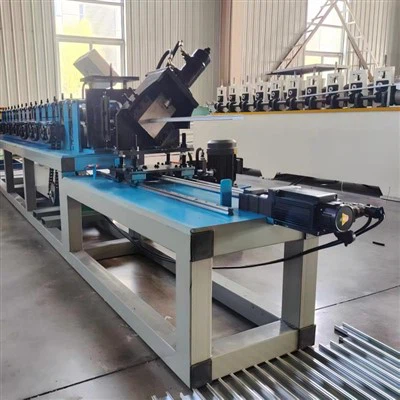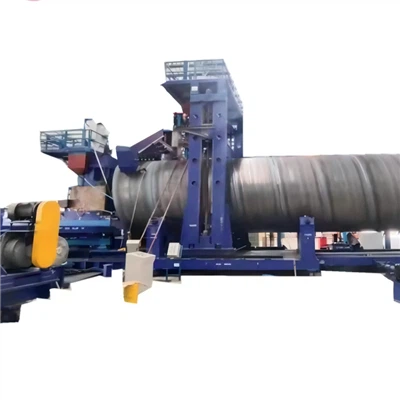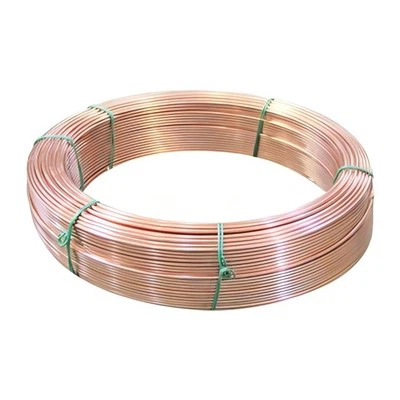
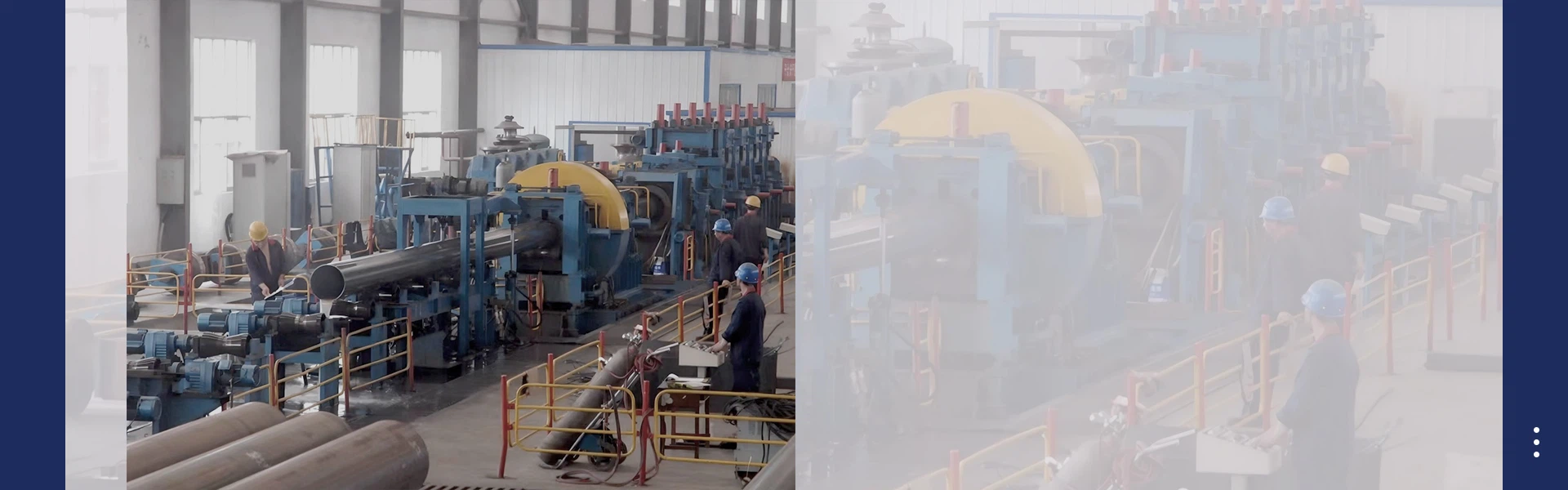
The modern manufacturing industry depends heavily on automation to achieve higher productivity, consistent quality, and reduced production costs. Among the most important technologies in metal fabrication is the roll forming machine, a highly efficient system designed to convert steel coils into finished profiles through a continuous series of forming operations.
Whether producing roofing sheets, wall panels, purlins, floor decking, cable trays, guardrails, or structural sections, a roll forming line enables manufacturers to produce large volumes of products with exceptional accuracy and repeatability. Compared with traditional fabrication methods, the roll forming process delivers superior efficiency, minimal material waste, and outstanding product consistency.
Today, every leading roll forming machine manufacturer focuses on developing advanced production systems that combine automation, precision, and reliability. As global demand for construction materials continues to increase, investing in high-quality equipment from a reputable roll forming machine supplier has become increasingly important for manufacturers seeking long-term competitiveness.
Understanding how a steel profile machine operates helps investors, factory owners, and buyers make informed decisions when selecting equipment for industrial production.
What Is a Roll Forming Machine?
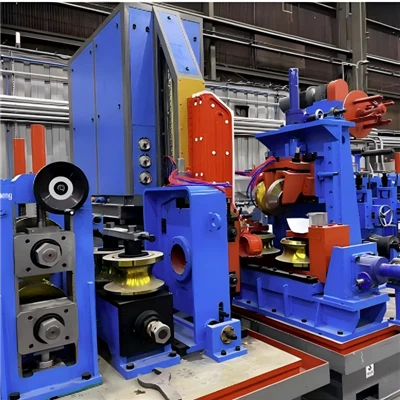
A roll forming machine is a continuous production system that gradually shapes flat metal strips or steel coils into specific cross-sectional profiles. Unlike stamping or press-forming operations that create shapes in a single step, the roll forming process forms material progressively through multiple roller stations.

Each station contributes a small amount of bending until the desired profile is achieved. This gradual forming method minimizes material stress, improves dimensional accuracy, and preserves surface quality.
A modern roll forming machine manufacturer carefully designs each machine according to the final product requirements. Depending on the application, a steel profile machine can produce:
a) Roofing sheets
b) Wall cladding panels
c) C and Z purlins
d) Floor decking
e) Cable trays
f) Highway guardrails
g) Solar mounting structures
h) Storage rack components
Because of its speed and efficiency, the roll forming process has become one of the most widely used production methods in construction, infrastructure, warehousing, and industrial manufacturing.
Main Components of a Roll Forming Machine
A modern roll forming line consists of multiple integrated systems working together to ensure smooth and continuous production. Every component plays an important role in maintaining product quality, machine reliability, and operational efficiency.
1. Decoiler
The decoiler serves as the starting point of the roll forming machine. Its primary function is to hold and unwind the steel coil before it enters the production line.
- Common types include:
- Manual decoilers
- Hydraulic decoilers
- Motorized decoilers
Hydraulic decoilers are widely used by professional roll forming machine manufacturers because they can efficiently handle heavy steel coils while maintaining stable feeding conditions.
2. Coil Car (Optional)
Many advanced roll forming lines incorporate a coil car to assist with loading heavy steel coils onto the decoiler. This system improves workplace safety, reduces manual labor, and minimizes the risk of equipment damage.
3. Feeding System
The feeding system guides the steel strip into the machine at a controlled speed and proper alignment. Accurate feeding is essential because even minor deviations can affect the dimensional accuracy of the final product.
4. Leveling Unit
Steel coils often contain residual stress and curvature from previous processing. The leveling unit removes these imperfections before forming begins.
Key benefits include:
- Improved flatness
- Enhanced profile consistency
- Better dimensional accuracy
- Reduced material distortion
For precision applications, experienced roll forming machine suppliers strongly recommend a high-quality leveling system.
5. Punching System
Many steel products require holes, slots, notches, or embossments. The punching unit performs these operations either before or after the forming section.
Common applications include:
- Bolt holes
- Mounting slots
- Drainage openings
- Identification marks
Modern punching systems are typically hydraulic or servo-driven, ensuring high precision and repeatability.
6. Roll Forming Stations
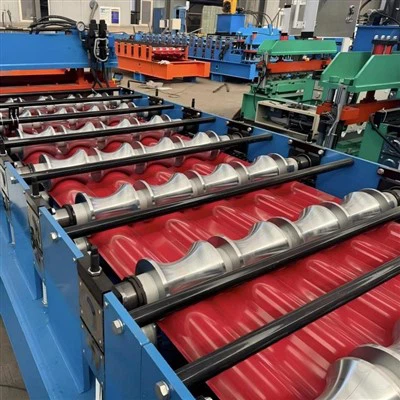
The forming stations represent the core of the roll forming machine. Each station contains carefully engineered rollers that gradually shape the steel strip into its final profile.
Advantages include:
- Reduced material stress
- Better profile accuracy
- Improved surface quality
- Lower risk of cracking
Depending on the product complexity, a machine may include 10 to 30 or more forming stations.
For example:
Roofing sheets: 12–18 stations
C and Z purlins: 16–24 stations
Structural profiles: 30+ stations
7. Drive System
The drive system powers the rollers and moves the steel strip through the roll forming machine. It plays a crucial role in maintaining synchronized roller movement, stable production speeds, and consistent product quality.
Common drive configurations include:
Chain drive systems
Gearbox transmission systems
Fully gear-driven systems
A high-quality drive system improves machine durability, production efficiency, and dimensional accuracy. Leading roll forming machine manufacturers invest heavily in advanced drive technologies to ensure reliable long-term operation.
8. Hydraulic System
Many modern roll forming lines incorporate hydraulic systems to power essential machine functions.
Typical hydraulic applications include:
Punching operations
Cutting systems
Profile adjustments
Auxiliary machine movements
Hydraulic units provide powerful and precise control, making them an important component of any industrial steel profile machine.
9. Cutting Unit
After forming is completed, the profile must be cut to the required length. The cutting unit performs this task automatically while maintaining high accuracy and production efficiency.
Common cutting methods include:
- Hydraulic Cut-Off
The most widely used solution for standard production lines. It provides reliable performance and accurate cutting for most applications.
- Flying Cut-Off
This advanced system cuts the profile while it continues moving through the production line. Because production does not stop during cutting, output rates can be significantly increased.
For manufacturers seeking maximum productivity, many roll forming machine suppliers recommend flying cut-off technology.
10. Stacking System
Once the profile has been cut, finished products are transferred to the stacking system for collection and organization.
Key benefits include:
Reduced labor requirements
Improved production efficiency
Better product handling
Reduced risk of damage
For a roofing sheet roll forming machine, automated stacking systems help ensure roofing sheets are collected safely and prepared for packaging or shipment.
11. PLC Control System
The PLC (Programmable Logic Controller) serves as the brain of the entire roll forming machine.
Through a touchscreen interface, operators can control:
- Production speed
- Product length
- Punching positions
- Quantity settings
- Machine diagnostics
Modern PLC systems improve automation, reduce operator workload, and provide greater production consistency. Most professional roll forming machine manufacturers integrate advanced PLC technology to maximize efficiency and operational control.
Complete Roll Forming Workflow
Understanding the complete roll forming process helps demonstrate how every component of a roll forming line works together to produce high-quality steel profiles efficiently and consistently.

Step 1: Coil Loading
Production begins by loading a steel coil onto the decoiler using a crane or coil car. Proper loading ensures stable operation throughout the manufacturing cycle.
Step 2: Coil Unwinding
The decoiler gradually unwinds the steel coil and feeds the strip into the production line. Controlled unwinding helps maintain smooth material flow and prevents feeding issues.
Step 3: Feeding and Leveling
The steel strip passes through the feeding and leveling systems to ensure proper alignment and flatness. This stage removes coil set and residual curvature while improving profile accuracy.
Step 4: Punching (If Required)
If the product requires holes, slots, notches, or identification marks, punching operations are performed before or during forming. Advanced hydraulic and servo-driven punching systems provide highly accurate results.
Step 5: Roll Forming
The material enters a series of forming stations where it is gradually shaped into the desired profile. This stage creates the final cross-sectional geometry while minimizing stress on the material.
For a roofing sheet roll forming machine, this is where flat steel coils are transformed into finished roofing sheet profiles.
Step 6: Length Measurement
As the formed profile exits the roller stations, the PLC system continuously monitors its length according to programmed production settings. This ensures accurate product dimensions throughout the production run.
Step 7: Cutting
The cutting system automatically cuts the profile to the specified length with high precision. Accurate cutting is essential for maintaining consistency and meeting customer specifications.
Step 8: Stacking and Collection
After cutting, finished products are automatically stacked and organized for packaging, storage, or shipment. Automated stacking improves handling efficiency while reducing labor requirements and product damage.
The seamless integration of these stages is one reason why the roll forming process remains the preferred manufacturing method for producing roofing sheets, purlins, decking panels, and numerous structural steel products.
Why the Roll Forming Process Is So Efficient
The roll forming process has become one of the most widely used manufacturing methods for producing steel profiles because of its speed, precision, and cost-effectiveness. By continuously transforming steel coils into finished products, a modern roll forming machine offers significant advantages over traditional fabrication methods.
-
Continuous Production
Unlike press-forming or batch-processing operations, a roll forming line operates continuously. Material moves steadily through the machine, enabling manufacturers to achieve high production volumes while minimizing downtime and maximizing output.
-
Consistent Quality
Every profile passes through the same sequence of precisely engineered roller stations. This controlled process ensures consistent dimensions, accurate shapes, and uniform quality throughout large production runs.
For manufacturers serving construction and infrastructure markets, consistency is essential for meeting strict engineering specifications.
-
Minimal Material Waste
The roll forming process primarily shapes steel through gradual bending rather than material removal. As a result, raw material utilization is maximized, scrap generation is minimized, and overall production costs are reduced.
-
High Automation
Modern roll forming machines are equipped with advanced PLC systems, automated feeding equipment, hydraulic controls, and intelligent monitoring systems. These technologies reduce manual intervention while improving efficiency and production accuracy.
-
Excellent Surface Finish
Because the material is formed gradually through multiple roller stations, surface damage is minimized. This helps preserve galvanized coatings, painted finishes, and other protective layers.
This advantage is particularly important for products manufactured on a roofing sheet roll forming machine, where appearance and corrosion resistance are critical.
These benefits explain why leading manufacturers continue to invest in advanced equipment supplied by experienced roll forming machine manufacturers and trusted roll forming machine suppliers worldwide.
Industries That Depend on Roll Forming Machines
A modern roll forming machine supports a wide range of industries by providing efficient and scalable production solutions.
Construction Industry
The construction sector is one of the largest users of roll forming equipment.
Common products include:
- Roofing sheets
- Wall panels
- C and Z purlins
- Floor decking
- Structural framing components
Many roofing sheet manufacturers rely on specialized roofing sheet roll forming machines to produce durable and cost-effective building materials.
Infrastructure Projects
Infrastructure applications require high-strength steel profiles manufactured with precision and consistency.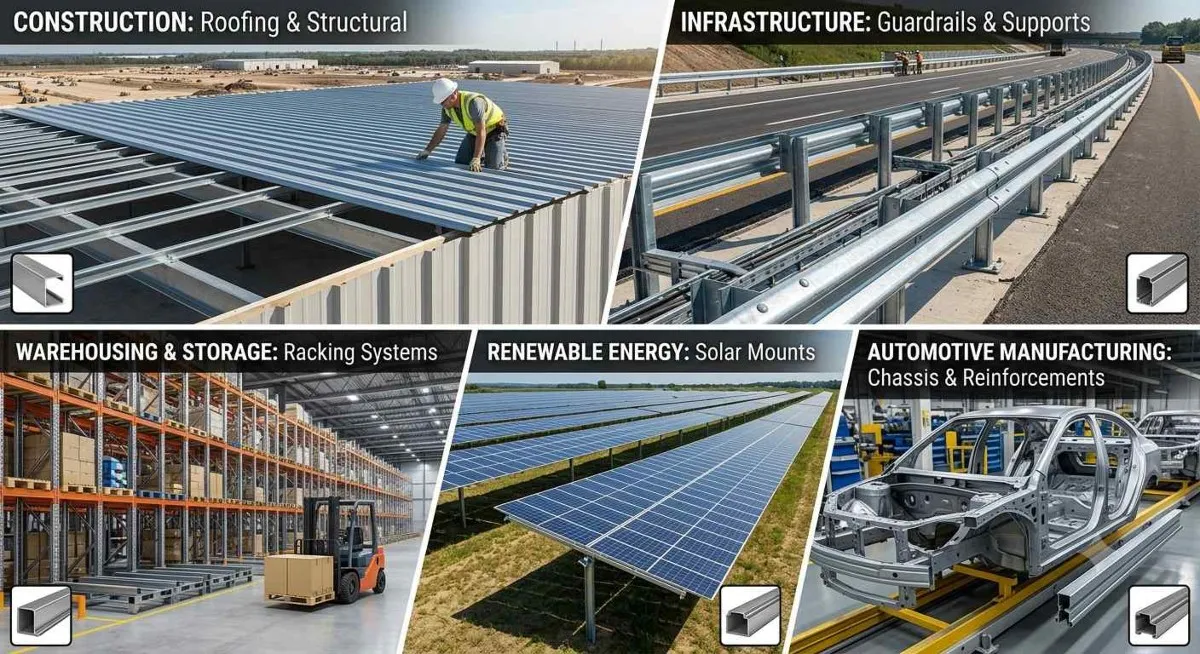
Common products include:
- Highway guardrails
- Cable management systems
- Structural support components
- Transportation infrastructure profiles
Warehousing and Storage
Warehousing systems depend heavily on profiles produced by a steel profile machine.
Applications include:
- Storage racks
- Shelving systems
- Pallet support structures
- Warehouse framing components
Renewable Energy
As solar energy projects continue to expand globally, demand for roll-formed components continues to increase.
Common applications include:
- Solar mounting structures
- Support frames
- Equipment supports
- Renewable energy infrastructure
Automotive Manufacturing
The automotive industry uses roll-formed components for:
- Reinforcement sections
- Structural components
- Chassis elements
- Specialized metal profiles
The combination of speed, precision, and scalability makes the roll forming process ideal for these demanding applications.
Conclusion
A roll forming machine is far more than a simple metal-shaping system. It is a highly integrated manufacturing solution that combines feeding, leveling, punching, forming, cutting, and stacking into a continuous and efficient production process.
From the decoiler and feeding system to the PLC controls and automated stacking equipment, every component of a modern roll forming line contributes to productivity, precision, and product quality. Through the carefully engineered roll forming process, manufacturers can produce large volumes of steel profiles while maintaining excellent dimensional accuracy and minimizing material waste.
Whether producing roofing sheets, purlins, floor decking, cable trays, guardrails, or structural sections, a high-quality steel profile machine enables manufacturers to meet growing market demand efficiently and profitably.
As global construction, infrastructure, renewable energy, and industrial development continue to expand, the demand for advanced roll forming equipment will continue to grow. Partnering with an experienced roll forming machine manufacturer or reliable roll forming machine supplier ensures access to modern technology, dependable performance, and long-term production success.
For companies seeking efficient steel profile production, investing in a modern roll forming machine remains one of the most effective strategies for improving productivity, reducing costs, and maintaining a competitive advantage in today's manufacturing environment.