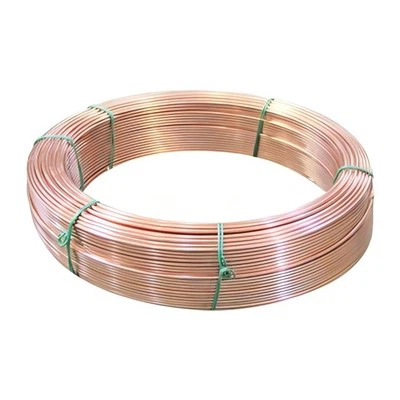
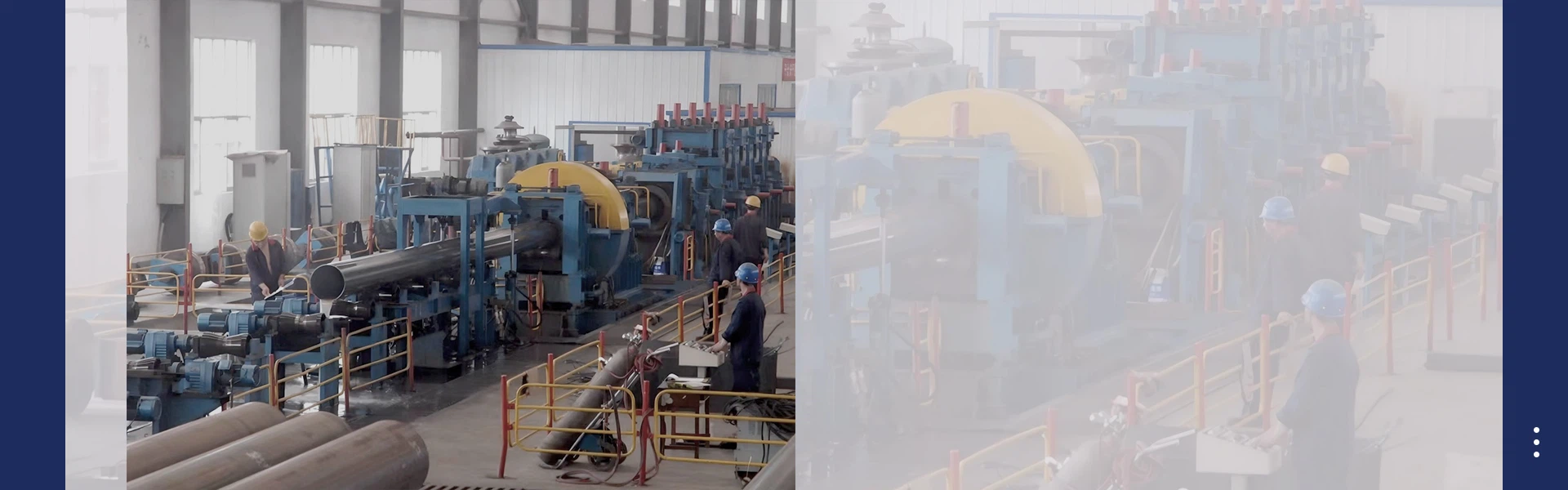
Steel pipes are critical components in industries such as oil and gas, petrochemicals, construction, power generation, water treatment, shipbuilding, and manufacturing. These pipes are frequently exposed to high pressure, heavy loads, fluctuating temperatures, and corrosive environments. To ensure they perform safely and reliably throughout their service life, manufacturers must verify their mechanical properties before the pipes are delivered to customers.
This is where Mechanical Testing Equipment becomes essential. Mechanical testing evaluates the physical performance of steel pipes by measuring properties such as tensile strength, yield strength, hardness, impact resistance, flattening performance, bending capability, and hydrostatic pressure resistance. Unlike visual or dimensional inspections, mechanical testing determines whether a pipe can withstand actual operating conditions.
Modern Steel Pipe Mechanical Testing combines advanced testing machines, computerized control systems, precision sensors, and automated data analysis to provide accurate and repeatable results. These systems help manufacturers comply with international standards while improving product quality, production efficiency, and customer confidence.
What Is Mechanical Testing Equipment?
Mechanical Testing Equipment refers to specialized machines and instruments used to evaluate the mechanical characteristics of steel pipes. These systems apply controlled forces, pressure, or impacts to determine how the material behaves under different loading conditions.
The primary objective of mechanical testing is to verify that steel pipes satisfy the required specifications before they are installed in industrial applications. Testing identifies material weaknesses that may not be visible during surface or ultrasonic inspection.
A complete Mechanical Testing Solutions setup may include tensile testing machines, impact testers, hardness testers, flattening and bending machines, hydrostatic pressure testers, compression testing systems, and computerized measurement equipment. Together, these machines provide comprehensive quality evaluation throughout the manufacturing process.
Why Mechanical Testing Is Important
Mechanical Testing is an essential part of the quality assurance process for steel pipes, ensuring that products meet the strength, durability, and performance requirements needed for demanding industrial applications. By evaluating key mechanical properties before products are delivered, manufacturers can verify that each pipe is capable of performing safely and reliably throughout its intended service life.
Steel pipes are commonly used in industries such as oil and gas, construction, power generation, automotive manufacturing, and infrastructure, where they are exposed to high pressure, heavy loads, extreme temperatures, and corrosive environments. If the material lacks sufficient tensile strength, yield strength, toughness, or ductility, it may fail during operation, resulting in costly production downtime, equipment damage, environmental risks, and serious safety hazards.
Steel Pipe Mechanical Testing enables manufacturers to confirm that their products comply with customer specifications, industry regulations, and international quality standards. The testing process identifies material weaknesses and manufacturing defects before products leave the factory, reducing the likelihood of field failures and warranty claims.
In addition to ensuring product reliability, mechanical testing supports continuous process improvement. Test results help manufacturers optimize production parameters, evaluate raw material quality, reduce scrap rates, and maintain consistent manufacturing performance. This leads to improved product quality, greater customer confidence, lower operating costs, and enhanced competitiveness in global markets.
Types of Mechanical Tests for Steel Pipes
Different mechanical tests evaluate different material properties. Manufacturers select appropriate tests depending on product specifications and application requirements.
Tensile Testing
Tensile testing measures the maximum force a steel pipe material can withstand before breaking. During the test, a prepared specimen is gradually stretched until failure occurs.
The test determines several important properties, including:
- Yield strength
- Tensile strength
- Elongation
- Reduction of area
Tensile testing is one of the most widely performed evaluations using Mechanical Testing Equipment because it provides essential information about material performance.
Hardness Testing
Hardness testing measures a material's resistance to indentation or surface deformation. Common hardness testing methods include Rockwell, Brinell, and Vickers.
Hardness values help determine whether heat treatment and manufacturing processes have produced the desired material characteristics.
Impact Testing
Impact testing evaluates the ability of steel to absorb sudden energy without fracturing. A notched specimen is struck by a pendulum hammer, and the absorbed energy is measured.
Impact testing is especially important for pipes used in low-temperature environments where brittle fracture may occur.
Flattening Test
During the flattening test, a pipe section is compressed between two flat plates until a specified distance is reached.
This test evaluates the pipe's resistance to cracking, delamination, and weld failure while confirming material ductility.
Bending Test
The bending test determines whether the pipe can withstand deformation without cracking.
It is commonly used for welded pipes and structural tubing that may experience bending during installation or service.
Hydrostatic Pressure Test
Hydrostatic testing subjects steel pipes to internal water pressure above their normal operating pressure.
The test verifies pressure integrity, leak resistance, and overall structural soundness, making it one of the most important Pipe Testing Machines used in pipe manufacturing.
Compression Testing
Compression testing evaluates how a material behaves under compressive loads.
Although less common than tensile testing, it provides valuable information for pipes used in structural applications.
Main Components of Mechanical Testing Equipment
Modern Mechanical Testing Equipment integrates several precision components that ensure accurate and repeatable testing results.
 Loading Frame
The loading frame provides the structural support needed to apply controlled forces during testing.
Hydraulic or Servo Drive System
Hydraulic or electromechanical systems generate the required testing force while maintaining precise load control.
Load Cells
Load cells accurately measure applied force throughout the testing process.
Extensometers
Extensometers measure material deformation during tensile testing, allowing calculation of strain and elongation.
Control Software
Computerized software controls testing procedures, calculates results automatically, and generates detailed inspection reports.
Safety Protection System
Protective covers, emergency stop buttons, and overload protection systems ensure safe equipment operation.
Applications of Mechanical Testing Equipment
Mechanical Testing Equipment is widely used across the steel pipe manufacturing industry to verify the strength, durability, and reliability of products before they are placed into service. By evaluating the mechanical performance of steel pipes under various loading conditions, manufacturers can ensure compliance with quality standards and meet the demanding requirements of different industrial applications.
Oil and Gas Industry
The oil and gas industry relies on steel pipelines to transport crude oil, natural gas, and other fluids under high pressure and harsh operating environments. Mechanical testing verifies that pipes possess the required tensile strength, toughness, and pressure resistance to ensure safe, reliable, and long-term pipeline performance.
Construction Industry
Steel pipes used in buildings, bridges, industrial structures, and infrastructure projects must meet strict mechanical performance standards. Tensile, compression, bending, and impact tests confirm that structural pipes have the strength and durability needed to withstand heavy loads and varying environmental conditions.
Power Generation Industry
Power plants use steel pipes in boilers, heat exchangers, condensers, and steam distribution systems where they operate under high temperatures and pressures. Mechanical testing ensures these pipes can withstand demanding service conditions while maintaining structural integrity throughout their operational life.
Water Supply Systems
Municipal and industrial water pipelines require pressure and strength testing to verify leak resistance, structural stability, and long-term durability. Mechanical testing helps ensure reliable water distribution while minimizing maintenance and replacement costs.
Automotive Industry
The automotive industry uses precision steel tubing in vehicle frames, exhaust systems, hydraulic lines, fuel systems, and suspension components. Mechanical Testing Solutions verify that these tubes meet stringent strength, ductility, and fatigue resistance requirements, ensuring consistent product quality, improved vehicle safety, and dependable long-term performance.
Advantages of Modern Mechanical Testing Equipment
Modern Mechanical Testing Equipment offers significant advantages over traditional manual testing methods by combining advanced sensors, automation, and intelligent software. These systems improve testing accuracy, increase productivity, reduce human error, and strengthen quality assurance throughout the steel pipe manufacturing process.
High Measurement Accuracy
One of the greatest advantages of modern testing equipment is its exceptional measurement accuracy. Precision load cells, displacement sensors, and digital monitoring systems provide reliable and repeatable test results. These technologies accurately measure critical mechanical properties such as tensile strength, yield strength, compression, elongation, and bending performance, ensuring that every steel pipe meets the required quality standards.
Automated Testing Process
Automation significantly improves testing efficiency by reducing manual intervention throughout the inspection process. Automated testing procedures minimize the possibility of operator errors while increasing testing speed and consistency. As a result, manufacturers can inspect a larger number of steel pipes in less time without compromising measurement accuracy or product quality.
Advanced Data Management and Reporting
Modern Pipe Testing Machines include intelligent software that automatically records, analyzes, and stores testing data. Comprehensive reports can be generated instantly, making quality documentation, customer certification, and regulatory compliance much easier. Digital record storage also improves product traceability by maintaining complete testing histories for every manufactured pipe.
Global Standard Compliance and Process Improvement
Modern testing equipment is designed to comply with multiple international testing standards, enabling manufacturers to supply products to customers worldwide. Real-time monitoring and advanced data analysis also help identify production trends, optimize manufacturing processes, reduce material waste, and improve overall product consistency. These capabilities increase operational efficiency, lower production costs, and ensure the delivery of reliable, high-quality steel pipes for demanding industrial applications.
Selecting the Right Mechanical Testing Equipment
Selecting the right Mechanical Testing Equipment is essential for ensuring accurate test results, maintaining product quality, and achieving long-term operational efficiency. Manufacturers should carefully evaluate both technical capabilities and operational requirements before investing in a testing system.
Testing Capacity and Performance
The equipment should provide sufficient testing capacity to handle the maximum loads required for the intended applications. It should also support multiple testing methods, such as tensile, compression, bending, hardness, and impact testing, depending on production requirements. High control accuracy and repeatable performance are essential for obtaining reliable and consistent test results.
Automation and Software Features
Modern testing equipment should offer advanced automation to improve testing efficiency and reduce operator involvement. Intelligent software should include features such as real-time monitoring, automatic data collection, report generation, statistical analysis, and secure data storage. These functions simplify quality management while improving production traceability and regulatory compliance.
Compatibility and Industry Compliance
Manufacturers should ensure that the testing system is compatible with the sizes and specifications of their steel pipe samples. The equipment should also comply with relevant international testing standards to support product certification and global market requirements. Easy integration with existing production and quality control systems is an added advantage.
Maintenance and Technical Support
Maintenance requirements, calibration procedures, operator training, and after-sales technical support should also be considered. Selecting equipment with flexible testing capabilities, simple maintenance, and dependable technical assistance enables manufacturers to adapt to future production needs, reduce operating costs, and maximize the long-term value of their investment.
Conclusion
Mechanical testing remains one of the most important quality assurance processes in steel pipe manufacturing. Modern Mechanical Testing Equipment enables manufacturers to evaluate strength, toughness, hardness, ductility, and pressure resistance with exceptional precision.
By implementing advanced Steel Pipe Mechanical Testing systems, manufacturers can improve product reliability, meet international standards, reduce production risks, and enhance customer confidence. With continuous advancements in automation and digital technologies, Mechanical Testing Solutions and modern Pipe Testing Machines will continue to play a crucial role in producing safe, durable, and high-performance steel pipes for industries worldwide.