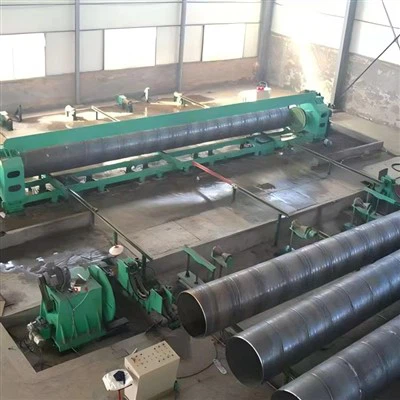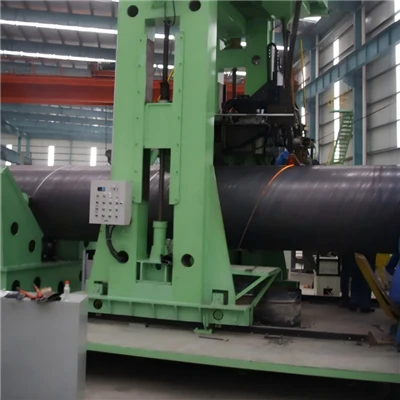
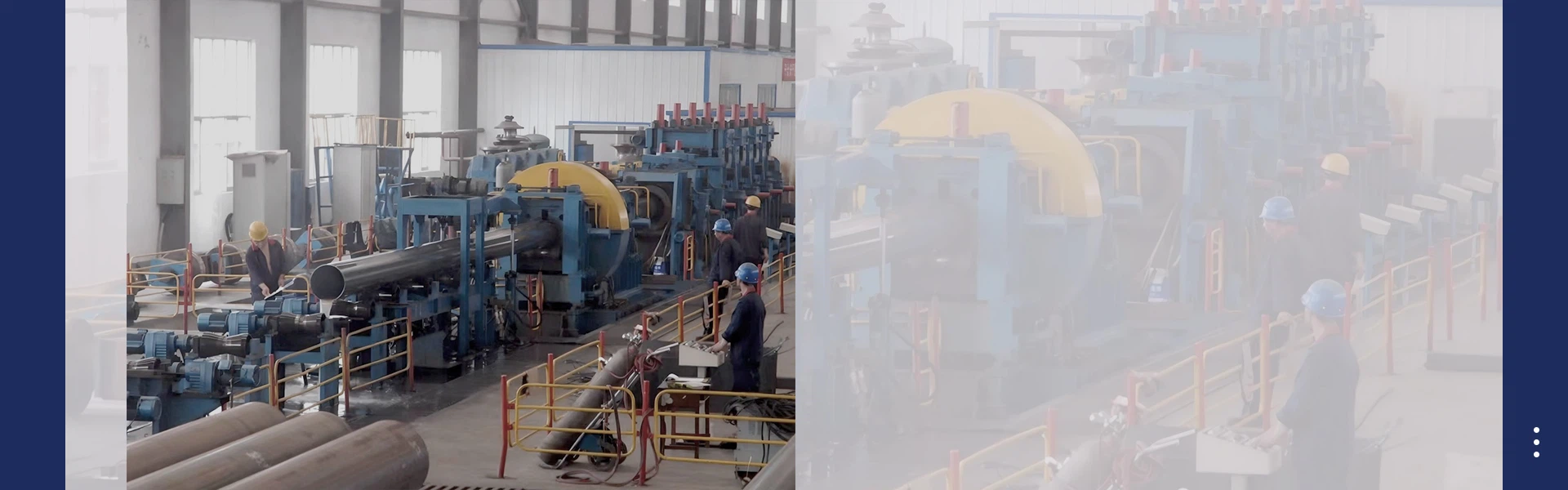
Pressure testing plays a vital role in the steel pipe industry, as it directly determines the safety, reliability, and long-term performance of piping systems used in critical applications. Pipes designed for oil and gas transportation, water transmission networks, fire protection systems, construction projects, and various industrial applications must be capable of withstanding internal pressure without any form of leakage, deformation, or structural failure. Even a minor defect in a pipe can lead to serious operational risks, environmental hazards, and costly system breakdowns.
To ensure complete product reliability, manufacturers rely on the pipe hydro testing machine, which is one of the most essential quality control equipment in a modern steel pipe production line. This machine verifies the strength and leak-tightness of every finished pipe before it is delivered to customers. By subjecting each pipe to controlled water pressure under strict testing conditions, the hydro testing process ensures that only pipes meeting required safety and performance standards are approved for shipment. As a result, pipe hydro testing machines play a crucial role in maintaining product quality, ensuring compliance with international standards, and building customer confidence in steel pipe manufacturing.
What Is a Pipe Hydro Testing Machine?
A pipe hydro testing machine, also known as a hydrostatic testing machine, is specialized equipment that fills a steel pipe with water and pressurizes it to a predetermined test pressure. The machine checks whether the pipe can safely withstand internal pressure without leakage, deformation, or structural failure.
Unlike destructive testing methods, hydrostatic testing is a non-destructive testing (NDT) process, allowing every tested pipe to remain suitable for sale and installation.
Why Hydrostatic Testing Is Essential
Ensures Product Safety
Hydrostatic testing confirms that pipes can safely handle their intended operating pressure before being installed in pipelines or industrial systems.
Detects Manufacturing Defects
The testing process helps identify hidden defects such as pinholes, weld imperfections, cracks, or material flaws that may not be visible during visual inspection.
Meets International Standards
Many industries require hydrostatic testing to comply with standards such as API, ASTM, EN, and ISO. Testing helps manufacturers meet customer specifications and regulatory requirements.
Builds Customer Confidence
Providing hydrostatic test certificates demonstrates product quality and increases customer trust, especially for export markets.
Working Principle of a Pipe Hydro Testing Machine
Pipe Loading
The finished steel pipe is placed onto the machine using conveyors or loading equipment.
End Sealing
Hydraulic sealing heads move into position and tightly seal both ends of the pipe to prevent water leakage during testing.
Water Filling
The pipe is completely filled with water, removing trapped air to ensure accurate pressure testing.
Pressure Build-Up
A high-pressure pump gradually increases the internal pressure to the specified test value.
Pressure Holding
The pressure is maintained for a predetermined period while the machine monitors for pressure drops or leakage.
Pressure Release
After the test is completed, pressure is safely released before unloading the pipe.
Water Drainage and Pipe Unloading
The remaining water is drained, and the tested pipe moves to the next production stage.
Main Components of a Pipe Hydro Testing Machine
Machine Frame
Supports the complete testing system and provides structural stability.
Hydraulic Sealing Heads
Seal both pipe ends securely during testing.
High-Pressure Water Pump
Generates the required testing pressure.
Hydraulic System
Controls sealing head movement and pressure application.
Water Tank
Stores and recycles testing water.
Pressure Sensors
Continuously monitor internal pressure throughout the testing cycle.
PLC Control System
Automatically controls filling, pressurizing, holding time, drainage, and unloading.
Safety Protection System
Includes emergency stop functions, pressure relief valves, and protective guards.
Types of Pipe Hydro Testing Machines
Manual Hydro Testing Machine
A manual hydro testing machine is designed for small-scale production, repair workshops, and maintenance applications where testing requirements are relatively low. Operators manually position the pipe, secure the sealing heads, and control most stages of the testing process. Although production speed is slower than automated systems, manual machines are cost-effective, easy to operate, and suitable for manufacturers with limited production volumes or occasional testing needs.

Semi-Automatic Hydro Testing Machine
A semi-automatic hydro testing machine combines manual pipe loading and unloading with automated pressure testing functions. Once the pipe is positioned and sealed, the machine automatically performs water filling, pressure build-up, pressure holding, and pressure release according to preset parameters. This design improves testing efficiency, reduces operator workload, and delivers more consistent results, making it a popular choice for medium-sized pipe manufacturing facilities.
Fully Automatic Hydro Testing Machine
A fully automatic hydro testing machine is built for high-volume production lines where speed, accuracy, and continuous operation are essential. Integrated loading and unloading systems automatically handle pipes throughout the testing cycle, minimizing manual intervention. These machines provide faster throughput, consistent testing quality, and improved production efficiency, making them ideal for large-scale manufacturers supplying domestic and international markets.
CNC & PLC-Controlled Hydro Testing Machine
A CNC and PLC-controlled hydro testing machine represents the most advanced level of hydrostatic testing technology. Operators can program testing pressure, holding time, and inspection parameters through a user-friendly control interface, while the system automatically records test data for quality documentation and traceability. These intelligent machines offer high precision, real-time monitoring, and seamless integration into modern automated steel pipe production lines.
Materials Suitable for Hydro Testing
- ERW pipes
- SSAW pipes
- LSAW pipes
- Seamless steel pipes
- Galvanized pipes
- Stainless steel pipes
- Alloy steel pipes
Typical Technical Specifications
Pipe Diameter Range
Example: 21 mm–660 mm (customizable)
Pipe Length
Usually 4–12 meters.
Test Pressure
Can range from 5 MPa to over 100 MPa depending on application.
Testing Speed
Varies with pipe size and automation level.
Control System
PLC with touch-screen interface.
Advantages of Pipe Hydro Testing Machines
Reliable Leak Detection
One of the primary advantages of a pipe hydro testing machine is its ability to accurately detect leaks before steel pipes are delivered to customers. By filling the pipe with water and applying controlled pressure, the machine can identify pinholes, weld defects, or structural weaknesses that may not be visible during routine visual inspections. Early leak detection helps prevent costly failures during installation or operation.
High Testing Accuracy
Modern hydro testing machines utilize advanced pressure sensors and digital control systems to maintain precise testing conditions throughout the inspection cycle. Automated monitoring ensures that each pipe is tested under consistent pressure and holding times, delivering reliable, repeatable results that comply with international quality standards and customer specifications.
Improved Product Quality
Hydrostatic testing plays a vital role in overall quality assurance by identifying defective pipes before they reach the market. Manufacturers can remove products that fail to meet performance requirements, reducing customer complaints, warranty claims, and project delays while protecting their reputation for delivering dependable steel pipes.
Increased Production Efficiency
Fully automatic and PLC-controlled hydro testing machines significantly improve production efficiency by streamlining the testing process. Automated filling, pressurizing, pressure holding, draining, and unloading reduce manual labor and shorten inspection cycles, allowing manufacturers to test larger quantities of pipes without compromising quality.
Water Recycling
Many modern hydro testing systems are equipped with water recycling tanks and filtration units that collect, clean, and reuse testing water. This not only reduces water consumption and operating costs but also supports environmentally responsible manufacturing practices by minimizing waste and conserving valuable resources.
Enhanced Workplace Safety
Safety is a key consideration in hydrostatic testing. Modern machines incorporate emergency stop systems, pressure relief valves, protective guards, and automatic safety interlocks to protect operators during high-pressure testing. These features help create a safer working environment while ensuring stable and reliable machine operation.
Applications of Pipe Hydro Testing Machines
Oil and Gas Pipelines
In the oil and gas industry, a pipe hydro testing machine is essential for ensuring that transmission pipelines can safely withstand high internal pressures. These pipelines often operate under extreme conditions, transporting crude oil, natural gas, and refined products over long distances. Hydrostatic testing verifies weld strength, material integrity, and leak resistance before the pipes are installed in critical energy infrastructure projects.
Water Supply Systems
Municipal and rural water distribution networks depend heavily on reliable piping systems. Hydro testing ensures that water supply pipes are completely leak-free and capable of maintaining consistent pressure throughout the network. This helps prevent water loss, contamination risks, and long-term maintenance issues in public water systems.

Fire Protection Pipelines
Firefighting systems require absolute reliability in emergency situations. Hydro testing is used to confirm that fire protection pipelines can handle sudden high-pressure water flow without failure. This ensures that sprinkler systems and fire hydrants perform effectively when needed most, safeguarding lives and property.
Construction Industry
In building construction, steel pipes are widely used for structural support, plumbing, and utility systems. Hydro testing verifies that these pipes meet required safety standards before installation. This reduces the risk of leaks, failures, or costly repairs after project completion.
Chemical Processing Plants
Chemical industries use pipelines to transport corrosive and high-pressure fluids. Hydro testing ensures that these pipes are structurally sound and resistant to leakage under demanding operating conditions. This is critical for maintaining safety and preventing hazardous material leaks in industrial environments.
Power Plants
Power generation facilities rely on extensive piping networks for steam, cooling water, and other operational systems. Hydro testing confirms the integrity of these pipelines, ensuring they can safely handle high temperatures and pressures. This contributes to stable plant performance and reduces the risk of operational failures.
Factors to Consider When Choosing a Pipe Hydro Testing Machine
Pipe Size Range
One of the most important factors when selecting a pipe hydro testing machine is the pipe size range it can handle. Manufacturers should ensure the machine is compatible with the required outer diameter and pipe length specifications. A flexible size range allows a single machine to test multiple product categories, increasing production efficiency and reducing equipment investment.
Maximum Testing Pressure
Different pipe applications require different pressure levels. Oil, gas, and industrial pipelines often need high-pressure testing capabilities. Therefore, selecting a machine with an appropriate maximum testing pressure is essential to ensure safety and compliance with project requirements and international standards.
Production Capacity
Production capacity determines how many pipes can be tested within a given time. High-volume manufacturers should choose fully automatic systems with faster cycle times, while smaller workshops may opt for semi-automatic or manual machines depending on output needs.
Automation Level
The level of automation directly impacts efficiency and labor requirements. Fully automated and PLC-controlled machines offer higher consistency and reduced manual intervention, while semi-automatic systems provide a balance between cost and performance.
Testing Standards
Machines should support international standards such as API, ASTM, EN, and ISO. Compliance ensures that tested pipes are suitable for global markets and meet customer specifications.
PLC Functions
Advanced PLC systems allow operators to control pressure, timing, and testing cycles with precision. They also enable data recording and real-time monitoring for improved quality control.
Safety Features
Safety is critical in high-pressure testing environments. Machines should include pressure relief valves, emergency stop systems, and protective enclosures to ensure operator safety.
After-Sales Service
Reliable technical support, installation assistance, and training are essential for long-term machine performance and smooth operation.
Spare Parts Availability
Easy availability of spare parts ensures minimal downtime and continuous production, making it a key consideration for any industrial investment.
Maintenance of a Pipe Hydro Testing Machine
Regular Seal Inspection
Seals play a critical role in ensuring leak-free testing operations. Regular inspection of sealing heads, gaskets, and O-rings is necessary to prevent water leakage during high-pressure testing. Worn or damaged seals should be replaced immediately to maintain testing accuracy and machine safety.
Hydraulic Oil Replacement
The hydraulic system is essential for smooth operation of the machine. Over time, hydraulic oil can become contaminated or lose its effectiveness. Regular oil replacement ensures stable pressure control, smooth movement of hydraulic components, and extended machine life.
Pump Maintenance
The high-pressure water pump is the heart of the hydro testing system. Routine maintenance, including checking pump performance, cleaning filters, and inspecting internal components, helps maintain consistent pressure output and prevents unexpected breakdowns.
Pressure Sensor Calibration
Accurate pressure measurement is vital for reliable testing results. Pressure sensors should be calibrated periodically to ensure correct readings. Proper calibration helps maintain testing accuracy and ensures compliance with quality standards.
Cleaning the Water Tank
The water tank must be cleaned regularly to remove dirt, rust particles, and contaminants. Clean water improves system performance, prevents clogging, and extends the life of pumps and valves.
PLC Inspection
The PLC control system should be checked for software updates, wiring integrity, and proper functioning of control signals. A well-maintained PLC ensures smooth automation and reliable operation.
Routine Lubrication
All moving parts such as guide rails, hydraulic joints, and mechanical linkages require regular lubrication. Proper lubrication reduces friction, prevents wear, and ensures smooth machine operation over long production cycles.
Future Trends in Hydro Testing Technology
Smart PLC Control
More intelligent testing programs.
Fully Automated Production Lines
Integrated loading, testing, and unloading.
Digital Test Reports
Automatic data storage and quality traceability.
IoT Remote Monitoring
Real-time equipment monitoring and predictive maintenance.
Energy and Water Efficiency
Improved water recycling systems and lower energy consumption.
Conclusion
Summarize that the pipe hydro testing machine is a vital piece of steel pipe testing equipment, ensuring every pipe meets safety, quality, and pressure requirements before reaching customers. With increasing demand for reliable pipeline systems worldwide, investing in a modern hydrostatic testing machine helps manufacturers improve product quality, comply with international standards, enhance customer confidence, and remain competitive in the global steel pipe industry.