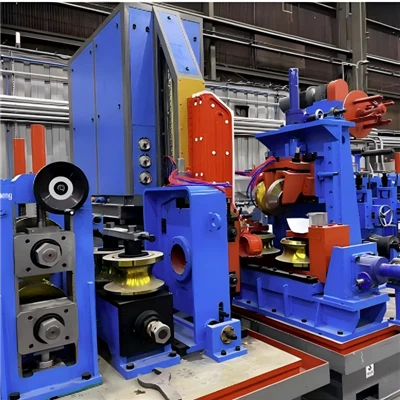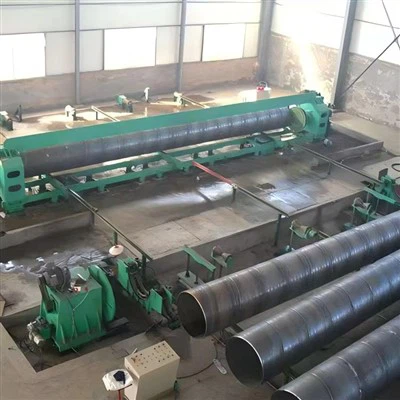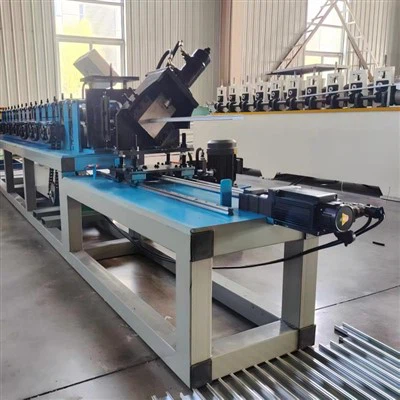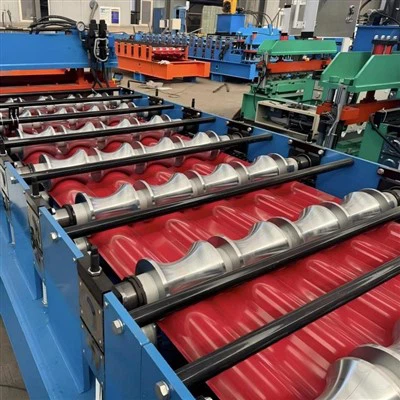
In the modern manufacturing world, automation and precision have become essential for large-scale industrial production. One of the most important innovations driving the steel fabrication sector is the roll forming machine. From roofing sheets and wall panels to structural profiles and pipe production, this advanced metal forming equipment plays a major role in shaping the infrastructure and industrial products used every day around the world.
The demand for fast, accurate, and cost-effective manufacturing has made steel profile production lines increasingly popular across industries such as construction, automotive, warehousing, energy, and agriculture. Roll forming technology provides manufacturers with the ability to produce consistent, high-quality steel sections continuously and efficiently.
What Is a Roll Forming Machine?
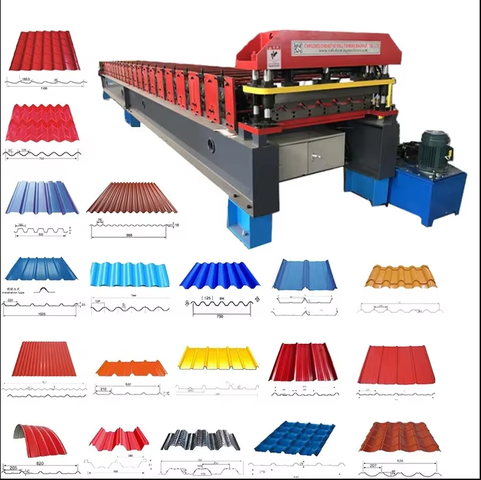
A roll forming machine is an industrial system designed to gradually shape flat metal sheets or coils into specific profiles through a series of consecutive rollers. Unlike stamping or pressing methods, roll forming works through a continuous bending process, allowing steel or metal strips to be transformed into finished products without interrupting production flow.
The process typically begins with a steel coil being fed into the machine. The material then passes through multiple roller stations that progressively bend and shape the metal into the desired profile. Depending on the application, the finished products may include:
- Roofing sheets
- Wall cladding panels
- C and Z purlins
- Stud and track systems
- Guardrails
- Cable trays
- Pipe sections
- Door frames
- Decking sheets
- Storage rack components
Because of its precision and speed, metal forming equipment has become a key investment for factories involved in mass production.
How Roll Forming Machines Work
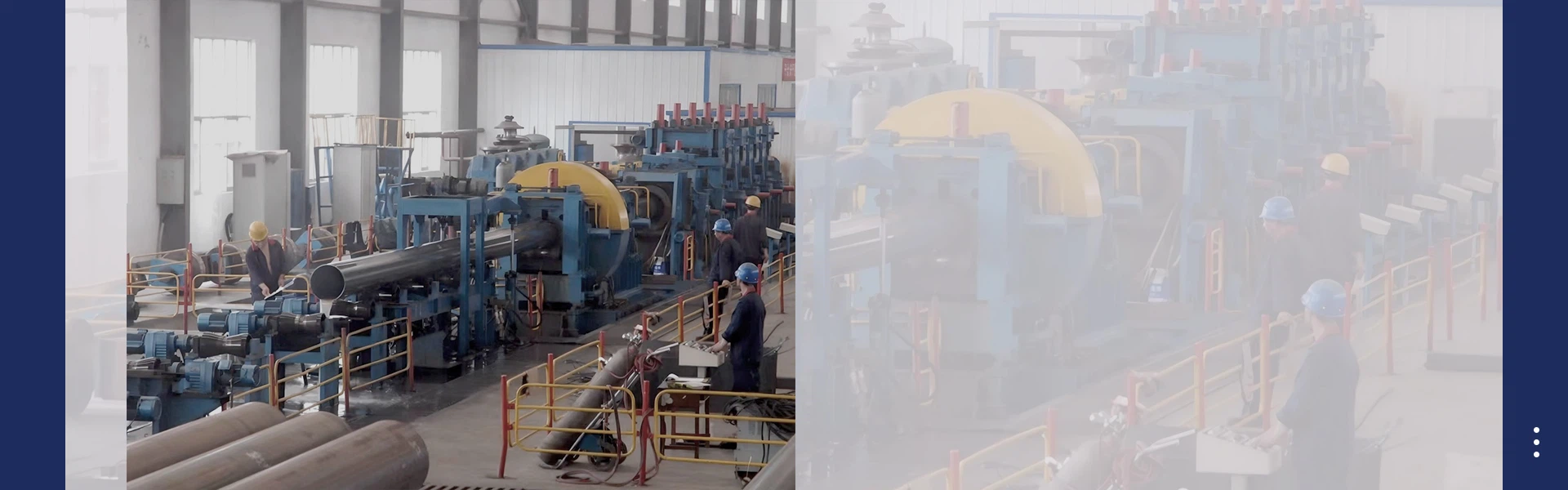
The operation of a roll forming machine involves several integrated systems working together in a continuous production line.
1. Decoiler Unit
The process starts with a decoiler, which holds and unwinds the steel coil smoothly into the machine. Hydraulic decoilers are commonly used for handling heavy coils efficiently.
2. Feeding and Leveling
The steel strip enters a feeding section where leveling rollers flatten the material and ensure proper alignment before forming begins. This step is essential for achieving dimensional accuracy during steel profile production.
3. Roll Forming Stations
This is the heart of the machine. Multiple forming rollers gradually bend the steel into the required shape. Each station performs a small portion of the forming process until the final profile is achieved.
The number of roller stations depends on the complexity of the profile. Simple products may require 10–12 stations, while advanced roofing or structural profiles may require more than 20 forming stations.
4. Punching and Cutting System
Modern roll forming machines often include hydraulic punching systems for holes or slots. After shaping, the profile is cut automatically to the required length using hydraulic or flying cut-off systems.
5. Stacking and Collection
The finished profiles are automatically stacked or collected for packaging and shipment. Automated systems improve efficiency and reduce labor requirements.
Types of Roll Forming Machines
There are many types of metal forming equipment, each designed for specific industrial applications and production requirements. Different machines are used to manufacture various steel profiles efficiently and accurately.
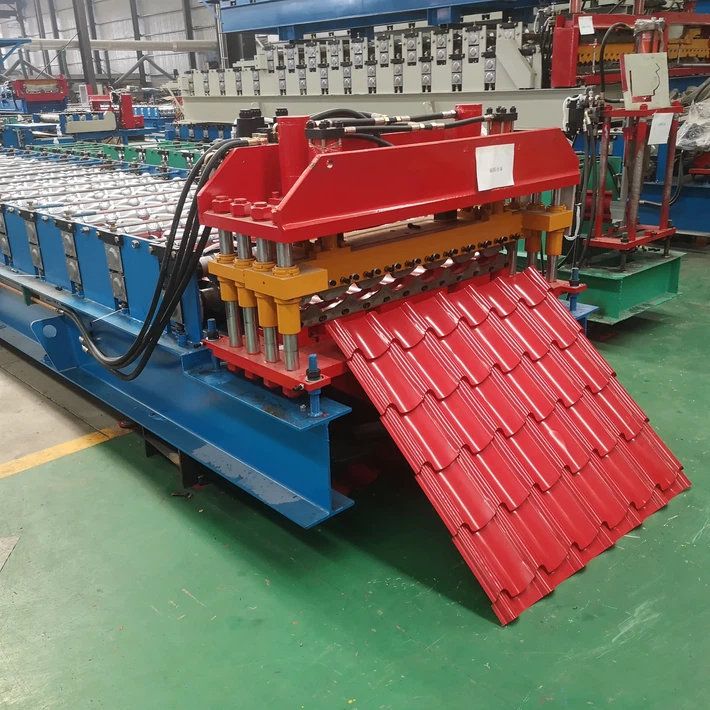
Roofing Sheet Roll Forming Machines
These machines are widely used for producing corrugated roofing sheets, trapezoidal sheets, and IBR panels. They are highly popular in construction industries across Africa, Asia, and the Middle East due to the growing demand for roofing and cladding materials. Roofing sheet machines offer high-speed production and excellent profile consistency.
C & Z Purlin Machines
C & Z purlin machines are designed to manufacture structural support sections used in warehouses, factories, and steel buildings. Modern machines can produce multiple sizes with quick adjustments, allowing flexible and efficient production for different construction projects.
Stud and Track Machines
These machines produce lightweight steel framing components used in drywall and gypsum board partition systems. They are commonly used in commercial buildings, offices, and interior construction projects because of their speed, precision, and lightweight output.
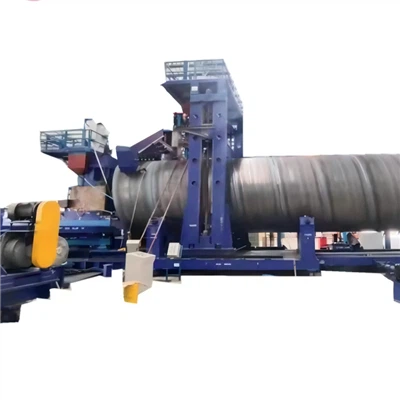
Pipe Roll Forming Machines
Pipe roll forming machines are specialized systems used for manufacturing steel pipes and tubes. The machine gradually forms steel strips into round shapes before welding and sizing processes are completed. These machines are widely used in pipe manufacturing industries for water, gas, structural, and industrial applications.
Floor Deck Roll Forming Machines
These machines manufacture steel floor decking panels used in multi-story buildings and composite floor systems. Floor deck profiles provide structural support for concrete slabs and are widely used in commercial and industrial construction projects.
Guardrail Roll Forming Machines
Guardrail roll forming machines are used in highway and infrastructure projects to produce road safety barriers and crash protection systems. These machines manufacture strong and durable guardrails that improve transportation safety on highways and bridges.
Advantages of Roll Forming Machines
High Production Speed
One of the biggest advantages of a roll forming machine is its continuous production capability. It can produce large quantities of steel profiles quickly without stopping between pieces, making it ideal for mass production industries like roofing sheets, purlins, and decking panels. High-speed production also helps manufacturers reduce delivery time and improve efficiency.
Excellent Dimensional Accuracy
The gradual forming process ensures accurate dimensions and consistent profile quality throughout the production run. Multiple roller stations shape the steel step by step, reducing distortion and maintaining uniform thickness, straightness, and profile precision.
Material Efficiency
Because the process uses continuous bending instead of excessive cutting, material waste is kept to a minimum. Almost the entire steel strip is transformed into usable product, helping manufacturers lower raw material costs and improve production efficiency.
Automation and Labor Savings
Modern metal forming equipment includes PLC control systems, touchscreen panels, hydraulic cutting, and automatic stacking systems. These features reduce manual labor, improve operational safety, and maintain stable product quality with minimal human intervention.
Flexibility in Production
Many roll forming machines can produce different profiles with tooling or roller adjustments. This flexibility allows manufacturers to respond quickly to changing market demands and produce various products using a single production line.
Smooth Surface Finish
Since the steel is shaped gradually through multiple roller stations, the finished products maintain a smooth and clean surface without excessive deformation. This is especially important for products made from PPGI, GI, or stainless steel where appearance and coating quality matter.
Industries That Use Roll Forming Machines
Construction Industry
This is the largest consumer of steel profile production systems. Roofing sheets, purlins, decking panels, and wall cladding are all manufactured using roll forming technology.
Automotive Industry
Roll formed components are used in vehicle frames, bumpers, reinforcements, and structural supports due to their strength and precision.
Electrical Industry
Cable trays, electrical cabinets, conduits, and support systems are commonly produced using roll forming machines.
Warehousing and Storage
Racking systems, shelves, and storage frames rely heavily on roll formed steel profiles.
Renewable Energy Sector
Solar mounting structures and support systems are increasingly manufactured using automated roll forming lines.
Technological Advancements in Roll Forming Machines
Modern roll forming machines have evolved significantly with the integration of advanced automation technologies.
PLC Automation Systems
Programmable Logic Controllers allow operators to adjust production parameters easily and improve operational consistency.
Servo Motor Technology
Servo systems provide high-speed precision control, especially for punching and cutting operations.
Fully Automatic Profile Change
Some advanced machines can switch between profiles automatically, reducing downtime and improving flexibility.
Remote Monitoring and Smart Manufacturing
Industry 4.0 integration allows factories to monitor machine performance, production data, and maintenance schedules remotely.
Importance of Roll Forming Machines in Global Infrastructure Growth
As urbanization expands globally, especially in developing regions, the demand for affordable and fast construction materials continues to rise. Roll forming machines support this growth by enabling mass production of roofing panels, structural components, and steel profiles efficiently and economically.
Countries in Africa and the Middle East are increasingly investing in metal forming equipment to develop local manufacturing capabilities and reduce dependence on imports. The growth of industrial parks, warehouses, logistics centers, and residential housing projects has further accelerated the demand for roll formed products.
Factors to Consider Before Buying a Roll Forming Machine
When investing in a roll forming machine, buyers should carefully evaluate several factors:
- Production speed and capacity
- Material thickness range
- Supported steel grades
- Automation level
- Machine durability
- Availability of technical support
- Power consumption
- Ease of maintenance
- Hydraulic system quality
- Roller material and hardness
Choosing the right supplier is equally important to ensure long-term reliability and spare part availability.
Future Trends in Roll Forming Technology
The future of steel profile production is moving toward smarter, faster, and more energy-efficient systems. Manufacturers are focusing on:
AI-assisted production optimization
Energy-saving motors and hydraulics
Faster tooling changes
Improved digital monitoring
Integration with robotic packaging systems
As industries continue embracing automation, roll forming technology will remain a crucial part of modern steel manufacturing ecosystems.
Conclusion
The roll forming machine is more than just industrial machinery - it is the driving force behind modern steel fabrication and infrastructure development. With its ability to produce accurate, durable, and cost-effective profiles continuously, this advanced metal forming equipment has transformed manufacturing across numerous industries.
From roofing sheets and structural profiles to automotive parts and solar mounting systems, roll forming technology supports the growing global demand for efficient and reliable production.
As automation and smart manufacturing continue evolving, the importance of steel profile production through roll forming machines will only increase - shaping the future of construction, engineering, and industrial development worldwide.