The demand for innovative roofing solutions has grown significantly in recent years as architects, contractors, and developers seek structures that combine durability, functionality, and visual appeal. Among the various roofing technologies available today, curved roofing systems have become increasingly popular for industrial, commercial, agricultural, and public infrastructure projects.
Unlike traditional flat roofing sheets, curved roofing panels provide a distinctive architectural appearance while offering excellent structural performance. The equipment responsible for producing these panels is known as a roof sheet curving machine. Installed after a roofing sheet production line, this machine transforms straight roofing panels into smooth curved sections suitable for arch roofs and self-supporting roofing systems.
For manufacturers and contractors looking to expand their product offerings, a roof sheet curving machine represents an effective way to enter the growing market for curved roofing structures. Understanding how these machines work, their components, applications, and advantages can help businesses determine whether this technology is suitable for their production requirements.
What Is a Roof Sheet Curving Machine?
A roof sheet curving machine is a specialized forming machine designed to bend already-formed roofing sheets into a curved or arched shape. Unlike a standard roll forming machine, which creates the roofing profile directly from a steel coil, a curving machine acts as a secondary processing unit.
The machine receives finished roofing sheets from a roll forming line and gradually bends them through a series of adjustable rollers. The resulting curved panels can then be used to construct arch-shaped roofs, canopies, storage facilities, hangars, and many other structures.
Because the original roofing profile remains intact during the curving process, manufacturers can combine the structural benefits of corrugated or trapezoidal roofing sheets with the architectural advantages of curved roof designs.
Relationship Between a Roof Sheet Curving Machine and a Roll Forming Machine
A common misconception among new buyers is that a roof sheet curving machine can produce roofing sheets directly from steel coils. In reality, the machine is usually installed after a roofing sheet roll forming machine.
A typical production flow is:
Steel Coil → Roll Forming Machine → Roof Sheet Curving Machine → Finished Curved Roofing Panel
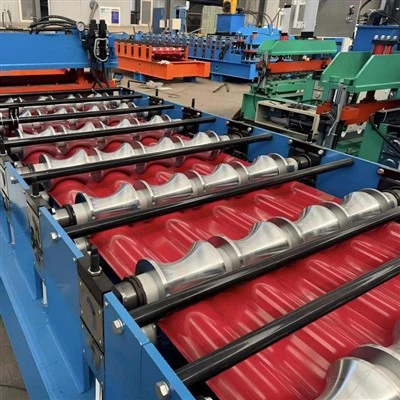
The roll forming machine first creates the roofing profile, such as corrugated sheets, trapezoidal sheets, or IBR panels. The finished sheet is then transferred to the curving machine, where controlled roller pressure gradually forms the required arch radius.
This production arrangement allows manufacturers to produce both straight and curved roofing panels using the same roofing sheet production line.
Why Curved Roofing Systems Are Becoming More Popular
Modern construction projects increasingly demand roofing systems that offer more than basic weather protection. Curved roofing structures provide several architectural and engineering advantages that make them attractive for many applications.
Curved roofs create visually impressive buildings that stand out from conventional structures. They can also improve water drainage, reduce the number of supporting columns required, and provide larger unobstructed interior spaces.
As construction trends continue to evolve, many developers prefer curved roofing systems for projects where appearance, functionality, and efficient space utilization are equally important.
Working Principle of a Roof Sheet Curving Machine
The operating principle is based on gradual mechanical bending.

Step 1: Roofing Sheet Production
The roofing sheet is first manufactured using a conventional roll forming machine.
Step 2: Material Feeding
The finished sheet enters the curving machine through guide rollers that maintain alignment during processing.
Step 3: Progressive Curving
The sheet passes through multiple upper and lower rollers.
Each roller applies a controlled amount of pressure, gradually bending the sheet until the desired radius is achieved.
Step 4: Radius Adjustment
Operators can adjust roller positions to create different curving radii depending on project requirements.
Step 5: Finished Product Output
The curved roofing sheet exits the machine and is ready for installation or packaging.
Because the process is gradual, the machine preserves the original roofing profile while producing a smooth and consistent curve.
Main Components of a Roof Sheet Curving Machine
Machine Frame
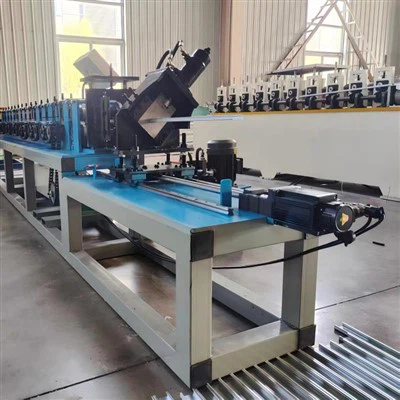
The frame serves as the structural foundation of the machine. It supports all mechanical components and ensures stability during operation.
Curving Rollers
The rollers are the most important part of the machine.
Their function is to apply progressive pressure that bends the roofing sheet into the desired shape.
Adjustment Mechanism
The adjustment system allows operators to change roller positions and control the final radius of the curved panel.
Hydraulic System
Many machines use hydraulic cylinders to assist with roller positioning and pressure adjustment.
Drive System
The drive system transfers power from the motor to the rollers, enabling continuous operation.
Electrical Control System
Modern machines often include PLC controls for improved accuracy, repeatability, and ease of operation.
Types of Roofing Profiles That Can Be Curved
A roof sheet curving machine can process many different roofing profiles, including:
- Corrugated roofing sheets
- Trapezoidal roofing sheets
- IBR roofing sheets
- Box profile sheets
- Wall cladding panels
- Custom roofing profiles
The specific profile compatibility depends on machine design and roller configuration.
Materials Processed by Curving Machines
Modern machines are capable of processing a wide range of materials.
Common options include:
- PPGI
- PPGL
- GI
- Galvalume Steel
- Aluminum Sheets
The material selection depends on project requirements, environmental conditions, and customer preferences.
Typical Technical Specifications
Although specifications vary by manufacturer, most machines can process:
Material Thickness
0.20 mm – 0.80 mm
Sheet Width
Up to 1250 mm
Curving Radius
Adjustable according to project requirements
Production Speed
Depends on sheet length, profile type, and curvature requirements
Custom designs can accommodate wider sheets, thicker materials, or specialized roofing profiles.
Advantages of Roof Sheet Curving Machines
Production of Architectural Roofing Systems
One of the primary advantages of roof sheet curving machines is their ability to produce visually appealing curved roofing panels for modern architectural projects. Curved roofs create distinctive building designs that are difficult or impossible to achieve using conventional flat roofing sheets. This allows architects and builders to incorporate unique structural elements while maintaining the strength and durability of metal roofing systems.
Expanded Product Range
By adding a roof sheet curving machine to an existing production setup, manufacturers can significantly expand their product portfolio. Instead of supplying only straight roofing sheets, factories can offer both straight and curved panels, allowing them to serve a wider range of construction and architectural applications without investing in a completely separate manufacturing line.
Access to New Market Opportunities
The growing demand for curved roofing systems creates valuable business opportunities for manufacturers. Curved roof panels are widely used in industrial buildings, warehouses, aircraft hangars, sports facilities, agricultural structures, and commercial projects. The ability to supply these specialized products enables companies to enter new market segments and compete for higher-value projects.
Flexible Radius Adjustment
Different construction projects often require different roof curvatures and arch dimensions. Modern roof sheet curving machines are designed with adjustable radius settings, allowing manufacturers to produce a variety of curved profiles that meet specific project requirements. This flexibility makes the equipment suitable for both standard and customized applications.
Efficient and Cost-Effective Production
The roof sheet curving process can be easily integrated into existing roofing sheet manufacturing operations. With relatively simple operation and minimal additional processing steps, manufacturers can efficiently produce curved panels while maintaining high productivity, reducing labor requirements, and optimizing overall production efficiency.
Applications of Curved Roofing Panels
Industrial and Manufacturing Facilities
Curved roofing panels are widely used in factories, warehouses, and manufacturing plants where large, unobstructed interior spaces are essential. The arch-shaped design allows buildings to achieve wider spans with fewer internal support columns, creating more usable floor space for production equipment, storage systems, and operational activities.

Aircraft Hangars and Transportation Structures
Aircraft hangars are among the most common applications for curved roofing systems. These structures require exceptionally wide openings and spacious interiors to accommodate aircraft movement and storage. Curved roof designs provide the structural strength needed for large-span buildings while maintaining an efficient and visually appealing appearance.
Sports and Recreational Facilities
Many sports facilities utilize curved roofing panels to create expansive indoor spaces without obstructive support columns. Gymnasiums, indoor arenas, sports complexes, and stadiums benefit from arch roof structures that provide both functional performance and modern architectural appeal.
Agricultural and Storage Buildings
Curved roofing systems are also popular in agricultural applications, including livestock shelters, grain storage facilities, machinery sheds, and agricultural warehouses. Their efficient design maximizes interior volume while providing durable weather protection. Similarly, storage structures of all types benefit from curved roofs because they offer greater usable space and cost-effective construction.
Commercial and Public Buildings
Modern commercial projects increasingly incorporate curved roofing panels to create distinctive architectural designs. Shopping centers, exhibition halls, convention centers, transportation terminals, and public facilities often use curved roof structures to enhance visual appeal while maintaining practical functionality. The combination of structural efficiency and aesthetic value makes curved roofing an attractive solution for a wide range of contemporary building projects.
Future Trends in Roof Sheet Curving Technology
Greater Automation and Intelligent Controls
The future of roof sheet curving technology is closely tied to automation. Modern manufacturers are increasingly adopting advanced PLC control systems, automated radius adjustment functions, and intelligent production settings that reduce manual intervention. These technologies not only simplify machine operation but also improve production efficiency, reduce setup time, and minimize the possibility of operator errors.
Enhanced Accuracy and Product Consistency
As control systems and sensor technologies continue to advance, roof sheet curving machines will achieve even greater levels of precision. Modern servo-driven mechanisms and digital monitoring systems allow manufacturers to maintain tighter tolerances and more consistent curvature throughout production. This results in improved product quality, reduced material waste, and highly repeatable manufacturing performance.
Smart Factory Integration
Industry 4.0 is transforming manufacturing, and roof sheet curving machines are becoming part of connected production environments. Future equipment will increasingly feature digital monitoring, remote diagnostics, production data tracking, and predictive maintenance capabilities. These technologies help manufacturers optimize productivity, reduce downtime, and improve overall operational management.
Energy-Efficient Machine Design
Reducing energy consumption has become a major focus for equipment manufacturers. New-generation curving machines are being developed with more efficient motors, drive systems, and hydraulic components that lower operating costs while supporting sustainability goals. Improved efficiency also contributes to longer equipment life and reduced maintenance requirements.
Growing Demand for Customized Curving Solutions
Modern architecture continues to push the boundaries of design, creating demand for unique curved roofing and facade structures. Future roof sheet curving machines will offer greater flexibility in producing custom radii, complex curves, and specialized profiles, enabling manufacturers to meet the increasingly diverse requirements of architects, designers, and construction companies.
Conclusion
A roof sheet curving machine is an essential piece of equipment for manufacturers seeking to produce curved roofing panels for modern construction projects. Working alongside a roofing sheet production line, the machine transforms standard roofing profiles into attractive arched panels suitable for industrial, commercial, agricultural, and public infrastructure applications.
By providing flexible radius adjustment, efficient production, and compatibility with various roofing profiles, a roof sheet curving machine helps manufacturers expand their product range and serve the growing demand for architectural roofing solutions. As construction trends continue to favor innovative and visually appealing structures, the importance of arch roof machines and curved roofing technology is expected to grow even further.