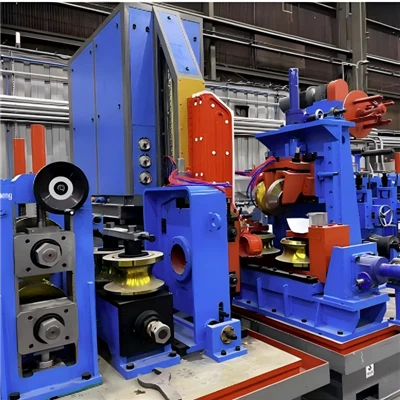
As a supplier of Purlin Roll Forming Machines, I've seen firsthand how crucial it is to optimize the production process. In this blog, I'll share some tips and tricks that can help you get the most out of your machine, improve efficiency, and boost your bottom line.
1. Understand Your Machine Inside Out
Before you start tweaking the production process, it's essential to have a deep understanding of your Purlin Roll Forming Machine. This means knowing how each component works, what its limitations are, and how it interacts with other parts of the system.
Take the time to read the machine's manual thoroughly. It might seem like a drag, but trust me, it's worth it. The manual will give you detailed information about the machine's specifications, operating procedures, and maintenance requirements. If you have any questions, don't hesitate to reach out to the manufacturer's customer support. They're there to help!


2. Choose the Right Materials
The quality of the materials you use can have a significant impact on the production process. For a Purlin Roll Forming Machine, the type of steel you choose is crucial. You want to select a steel that is strong enough to withstand the forming process but also malleable enough to be shaped into the desired profile.
Look for steel with consistent thickness and quality. Variations in thickness can lead to uneven forming and cause problems down the line. Also, consider the surface finish of the steel. A smooth surface can reduce friction during the forming process, which can improve the machine's efficiency and the quality of the final product.
If you're not sure which type of steel is best for your application, consult with a materials expert or the manufacturer of your Purlin Roll Forming Machine. They can provide you with recommendations based on your specific needs.
3. Optimize the Roll Design
The roll design is one of the most critical factors in the production process of a Purlin Roll Forming Machine. The rolls are responsible for shaping the steel into the desired profile, so it's essential to have them designed correctly.
Work with an experienced roll designer to create a roll set that is tailored to your specific requirements. The designer will consider factors such as the material thickness, the profile shape, and the production speed when designing the rolls. A well-designed roll set can reduce the number of passes required to form the purlin, which can save time and energy.
Regularly inspect the rolls for wear and tear. Over time, the rolls can become worn, which can affect the quality of the formed purlins. Replace any worn rolls as soon as possible to ensure consistent production quality.
4. Set Up the Machine Properly
Proper machine setup is essential for optimizing the production process. Before you start running the machine, make sure it's level and properly aligned. This will help prevent uneven wear on the rolls and ensure that the purlins are formed correctly.
Adjust the speed and feed rate of the machine based on the material thickness and the profile shape. Running the machine too fast can cause the steel to deform incorrectly, while running it too slow can reduce productivity. Experiment with different settings to find the optimal speed and feed rate for your specific application.
Also, make sure the lubrication system is working correctly. Lubrication helps reduce friction between the rolls and the steel, which can improve the machine's efficiency and the quality of the final product. Check the lubricant levels regularly and refill as needed.
5. Implement Quality Control Measures
Quality control is an essential part of any production process, and it's no different for a Purlin Roll Forming Machine. Implementing quality control measures can help you identify and correct any issues early on, which can save you time and money in the long run.
Inspect the formed purlins regularly for defects such as cracks, dents, or unevenness. Use measuring tools such as calipers and gauges to ensure that the purlins meet the required specifications. If you find any defects, stop the machine and investigate the cause. It could be a problem with the machine setup, the material, or the roll design.
Keep records of your quality control inspections. This will help you track the performance of the machine over time and identify any trends or patterns. You can use this information to make adjustments to the production process and improve the quality of the final product.
6. Train Your Operators
Your operators play a crucial role in the production process of a Purlin Roll Forming Machine. They need to have the skills and knowledge necessary to operate the machine safely and efficiently.
Provide your operators with comprehensive training on the machine's operation, maintenance, and safety procedures. Make sure they understand how to set up the machine, adjust the settings, and perform basic maintenance tasks. Encourage them to ask questions and provide feedback on the production process.
Regularly review and update your training program to ensure that it stays relevant and up-to-date. As technology advances and new techniques are developed, your operators need to be able to adapt and learn new skills.
7. Maintain Your Machine Regularly
Regular maintenance is essential for keeping your Purlin Roll Forming Machine in good working condition. It can help prevent breakdowns, reduce downtime, and extend the life of the machine.
Create a maintenance schedule and stick to it. This should include tasks such as cleaning the machine, lubricating the moving parts, inspecting the electrical system, and replacing any worn or damaged components. Make sure you use the correct tools and lubricants for the job.
Keep a record of all maintenance activities. This will help you track the history of the machine and identify any potential issues before they become major problems. If you're not comfortable performing maintenance tasks yourself, consider hiring a professional maintenance service.
8. Consider Upgrading Your Machine
If you've been using your Purlin Roll Forming Machine for a while, you might want to consider upgrading it. Upgrading your machine can help you improve its performance, increase its efficiency, and reduce your operating costs.
There are several ways you can upgrade your machine. You can add new features such as automatic cutting, punching, or bending capabilities. You can also upgrade the control system to make it more user-friendly and efficient. Another option is to replace the rolls with a new set that is designed to produce a different profile or to improve the quality of the formed purlins.
Before you decide to upgrade your machine, do your research and compare different options. Consider factors such as the cost of the upgrade, the expected return on investment, and the impact on your production process.
Optimizing the production process of a Purlin Roll Forming Machine requires a combination of knowledge, experience, and attention to detail. By understanding your machine, choosing the right materials, optimizing the roll design, setting up the machine properly, implementing quality control measures, training your operators, maintaining your machine regularly, and considering upgrades, you can improve the efficiency and quality of your production process.
If you're in the market for a Purlin Roll Forming Machine or need help optimizing your existing machine, we're here to help. We offer a wide range of Purlin Rolling Machine, including Light Keel Forming Machine, C Purlin Roll Forming Machine, Double Layer Forming Machine, and Glazed Tile Roll Forming Machine. Our team of experts can provide you with personalized advice and support to help you find the right machine for your needs. Contact us today to discuss your requirements and start optimizing your production process!