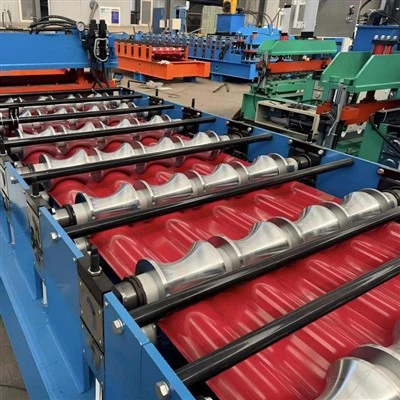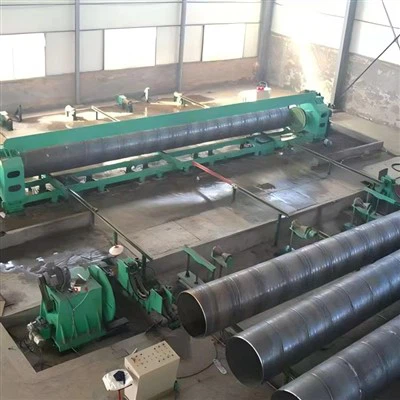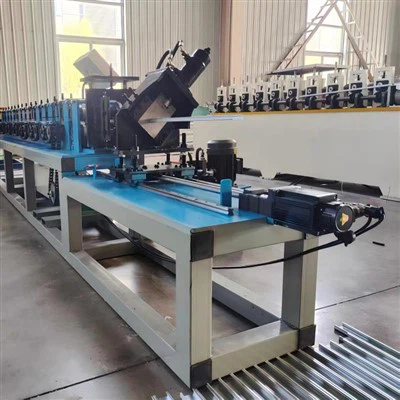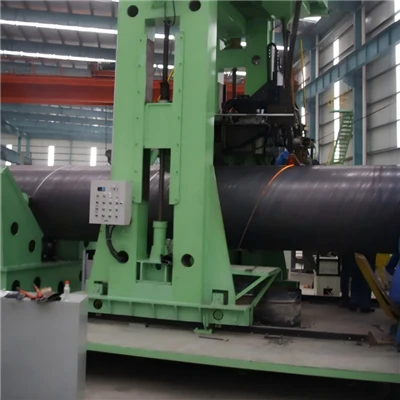
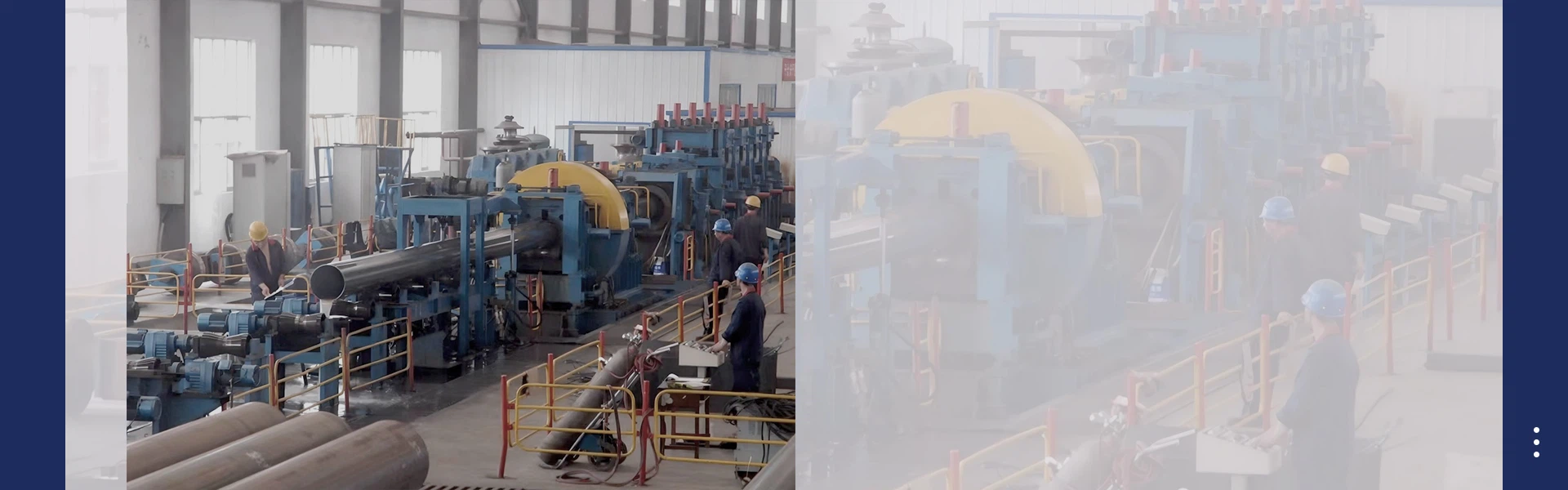
A C/Z Purlin Machine is a specialized roll forming system used to manufacture C-shaped and Z-shaped steel purlins for building structures. Purlins are horizontal structural members commonly installed between the main frames of steel buildings to support roofing and wall systems.
The machine continuously converts galvanized or other suitable steel coils into accurately formed C or Z sections. Depending on the machine configuration, it can also perform punching, cutting, and automatic length control during production.
One of the important features of a modern C/Z Purlin Roll Forming Machine is its flexibility. Some machines can produce several purlin sizes by changing the forming configuration or adjusting the machine width, while more advanced systems can switch between C and Z profiles with reduced setup time.
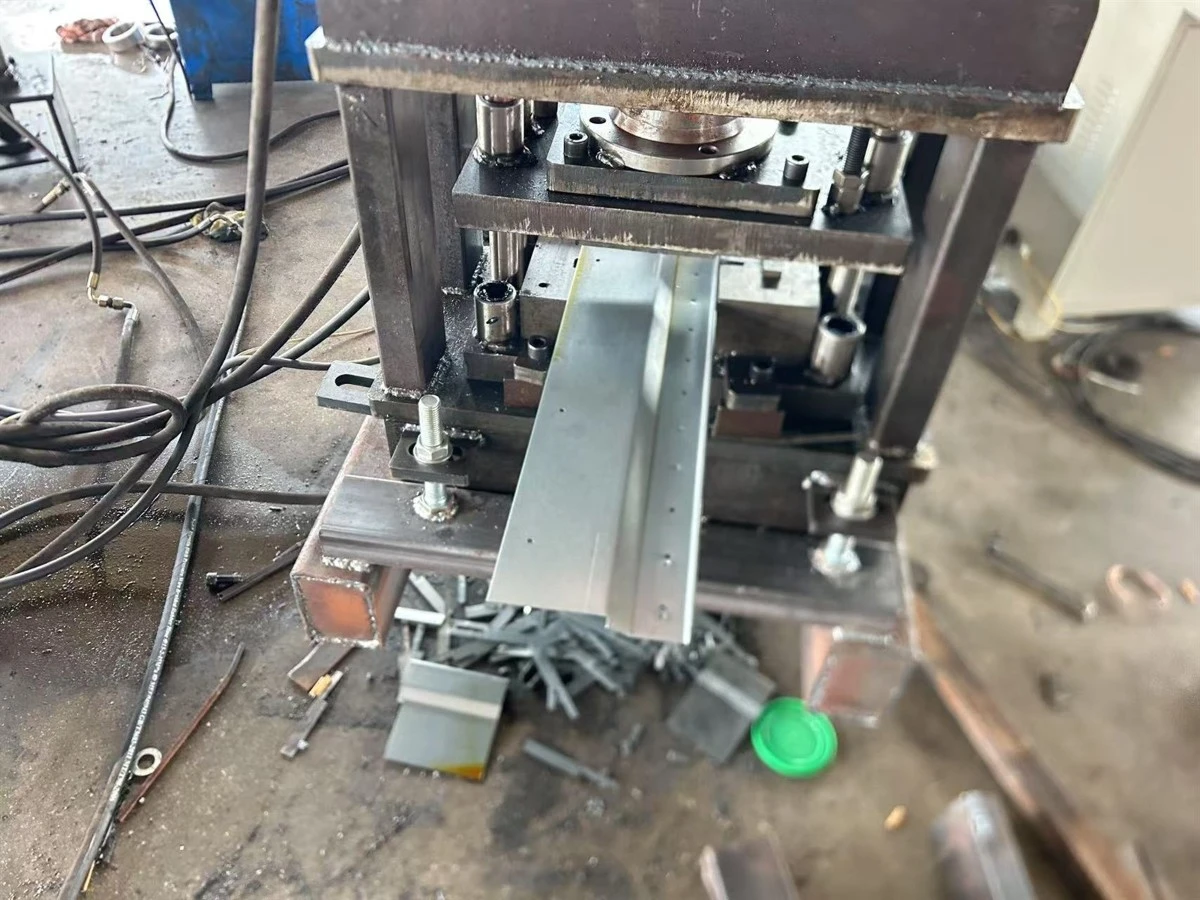
What Is a C/Z Purlin?
C and Z purlins are cold-formed steel structural profiles. Their cross-sectional shapes resemble the letters "C" and "Z", which gives them their names.
C purlins generally have a web with two flanges extending in the same direction, while Z purlins have flanges arranged in opposite directions. The exact geometry can vary depending on the structural design.
Both profiles are used in steel buildings, warehouses, workshops, agricultural structures, industrial buildings, and other applications where lightweight structural members are required.
How Does a C/Z Purlin Machine Work?
The production process starts with a steel coil loaded onto the decoiler. The strip is then fed through a guiding and leveling system before entering the roll forming section.
A series of forming rollers progressively bends the flat strip into the required C or Z profile. If holes are required for structural connections, a punching system can create them according to programmed dimensions.
After forming, a cutting system cuts the continuous profile into the required lengths.
The basic production sequence is:
Steel Coil → Decoiling → Leveling → Guiding → Punching → Roll Forming → Cutting → Finished Purlin
The exact arrangement can vary depending on the machine design and whether punching is performed before or after forming.
Main Components of a C/Z Purlin Production Line
A complete C/Z Purlin Production Line normally contains several coordinated sections.
|
Component |
Main Function |
|
Decoiler |
Holds and unwinds the steel coil |
|
Leveling unit |
Straightens the incoming strip |
|
Feeding system |
Controls material entry |
|
Punching unit |
Creates holes or slots |
|
Roll forming section |
Forms the C or Z profile |
|
Cutting unit |
Cuts purlins to programmed lengths |
|
PLC control system |
Controls machine operation |
|
HMI |
Allows operator parameter input |
|
Run-out table |
Supports finished purlins |
The exact configuration should be selected according to the required purlin dimensions, material thickness, production capacity, and level of automation.
C Purlin Production
C purlins are commonly used in roof and wall framing. The forming rolls progressively bend the steel strip into the C-shaped cross-section.
The dimensions can be customized according to structural requirements. Common parameters include:
- Web height
- Flange width
- Lip length
- Material thickness
- Overall section width
- Punching position
- Finished length
A machine designed specifically for C purlins may use fixed tooling for one profile or adjustable tooling for multiple sizes.
Z Purlin Production
Z purlins have a Z-shaped cross-section and are widely used in steel building systems.
Their geometry allows adjacent purlins to overlap at structural connections, depending on the building design. This can provide practical advantages when constructing long roof or wall spans.
A C/Z Purlin Roll Forming Machine can be configured to manufacture different Z-profile dimensions, with the forming rolls designed according to the required section.
C Purlin vs. Z Purlin
Although both products are manufactured using similar roll forming technology, their cross-sectional geometry and structural applications differ.
|
Feature |
C Purlin |
Z Purlin |
|
Cross-section |
C-shaped |
Z-shaped |
|
Flange direction |
Generally same direction |
Opposite directions |
|
Common application |
Roof/wall framing |
Roof/wall framing |
|
Connection arrangement |
Depends on structural design |
Can allow overlapping |
|
Production method |
Roll forming |
Roll forming |
|
Customization |
High |
High |
The choice between C and Z purlins is normally determined by structural design requirements rather than the roll forming machine itself.
Typical Purlin Sizes
Purlin dimensions vary considerably according to building design and structural requirements.
A machine may be designed to produce profiles with web heights such as:
- 80 mm
- 100 mm
- 120 mm
- 140 mm
- 150 mm
- 160 mm
- 180 mm
- 200 mm
- 250 mm
- 300 mm
Larger sizes can also be produced using appropriately designed heavy-duty equipment.
The flange and lip dimensions are also variable. Therefore, a machine described as a "C/Z purlin machine" does not necessarily produce every possible purlin size.
The manufacturer should specify the exact size range before machine production.
Material Thickness
Material thickness is one of the most important machine variables.
Typical C/Z purlin machines may process steel in ranges such as 1.5–3.0 mm, 1.5–3.5 mm, or 2.0–4.0 mm, depending on the machine configuration.
Heavy-duty systems may process thicker material.
|
Machine Type |
Indicative Thickness |
|
Light purlin system |
1.2–2.0 mm |
|
Standard purlin system |
1.5–3.0 mm |
|
Heavy-duty purlin system |
2.0–4.0 mm |
|
Specialized system |
4.0 mm+ |
These are general ranges. Actual capacity depends on the steel grade, profile size, forming force, shaft diameter, motor capacity, and roll design.
Material Used for Purlins
Galvanized steel is commonly used for purlins because it combines structural strength with corrosion resistance.
Other suitable steel materials can also be processed depending on the machine configuration.
Important material properties include:
- Yield strength
- Tensile strength
- Thickness
- Surface condition
- Coating type
- Coil width
Higher-strength steel may require greater forming force and carefully designed tooling.
Adjustable C/Z Purlin Machine
One major variation is the adjustable or interchangeable C/Z purlin machine.
Instead of producing only one fixed profile, an adjustable system can be designed to accommodate multiple widths and profile dimensions.
For example, a machine might be configured to produce several sizes between approximately 100 and 300 mm web height.
This type of system can be useful for manufacturers producing different purlin sizes for multiple construction projects.
However, the actual adjustable range should be confirmed because changing the web width, flange width, and lip dimensions can require substantial changes to the roll tooling.
Automatic Size Adjustment
Advanced machines can incorporate automatic adjustment systems that move forming components according to the selected profile dimensions.
The operator can enter the required size through the HMI, and the PLC can coordinate the adjustment process.
This can reduce manual setup time when switching between different purlin sizes.
However, automatic adjustment does not mean that every possible C and Z profile can be produced on one machine. The machine still has a defined mechanical range.
Punching System
Punching is an important feature of many purlin production lines.
Purlins frequently require holes for bolts and structural connections. These holes may be located on the web, flange, or lip according to the structural design.
A CNC or hydraulic punching system can create holes at predetermined distances while the strip moves through the production line.
Typical punching parameters can include:
- Hole diameter
- Hole shape
- Hole position
- Hole spacing
- Number of holes
- Distance from the purlin end
Accurate punching is essential because incorrect hole positioning can create installation problems at the construction site.
Punching Before or After Forming
There are different approaches to punching.
Some machines punch holes in the flat strip before roll forming. This can be suitable for certain hole patterns because the flat material is easier to punch.
Other systems can incorporate punching at a different stage according to the product design.
The correct punching arrangement depends on the hole position and final profile geometry.
Cutting System
After forming, the continuous purlin is cut into individual lengths.
The cutting system can be programmed through the PLC to produce different lengths according to the production order.
Typical finished lengths may include:
- 3 m
- 4 m
- 5 m
- 6 m
- 8 m
- 10 m
- 12 m
Longer or customized lengths may also be possible depending on the production line and transportation requirements.
Cutting Accuracy
Length accuracy is important because purlins are structural components that need to fit correctly into the building framework.
An encoder measures the movement of the strip and sends the information to the PLC. Once the programmed length is reached, the cutting system operates.
The actual achievable tolerance depends on the machine design, material condition, encoder accuracy, speed, and cutting system.
Production Speed
The production speed of a C/Z purlin machine depends heavily on material thickness, profile size, punching requirements, and machine configuration.
Typical production speeds may be approximately 10–30 m/min for many purlin applications.
Some machines can achieve higher speeds for suitable profiles and materials, while heavy-gauge production generally requires more controlled speeds.
When comparing machines, it is important to distinguish between maximum empty-running speed and actual production speed with punching and cutting.
Number of Forming Stations
C/Z purlins normally require multiple forming stations because the steel strip must be progressively shaped.
A typical machine may have approximately 12–24 forming stations, although the actual number depends on the profile geometry and material characteristics.
A larger or more complex profile may require additional stations to distribute the forming process properly.
The number of stations alone does not determine machine quality. Roll design, station arrangement, shaft rigidity, alignment, and forming calculations are equally important.
Roll Tooling
Roll tooling is one of the most important parts of the machine.
Each roller station performs a specific amount of bending. The complete set of rollers gradually transforms the flat steel strip into the final purlin profile.
The rolls must be accurately machined and aligned. Poor tooling can cause:
- Twisting
- Uneven flanges
- Incorrect web dimensions
- Surface scratches
- Edge deformation
- Dimensional instability
For galvanized material, the roll surface should also be properly finished to minimize coating damage.
PLC and HMI Control
Modern C/Z Purlin Roll Forming Machines generally use PLC control systems to coordinate production.
The operator can typically set:
- Purlin length
- Production quantity
- Punching pattern
- Line speed
- Profile selection
- Cutting parameters
The HMI provides information about machine status, production quantity, alarms, and operating parameters.
More advanced systems can store multiple product programs, making it easier to switch between frequently produced sizes.
Production Flexibility
One of the main advantages of a C/Z purlin machine is its flexibility.
A manufacturer may need to produce different sizes depending on the requirements of individual steel-building projects. A machine with an appropriate adjustable design can reduce the need for separate production lines.
For example, one production system may be designed around a range such as:
C100–C300 / Z100–Z300
However, this does not mean that every dimension within that range is automatically possible. The exact flange, lip, thickness, and profile geometry must fall within the machine's designed adjustment range.
Quality Control During Production
Because purlins are structural components, dimensional consistency is particularly important.
Important inspection parameters include:
|
Quality Parameter |
What to Check |
|
Web height |
Confirm profile dimension |
|
Flange width |
Check structural geometry |
|
Lip length |
Verify required section |
|
Thickness |
Confirm incoming material |
|
Overall width |
Check profile accuracy |
|
Hole position |
Verify connection points |
|
Hole diameter |
Check punching accuracy |
|
Length |
Confirm cutting accuracy |
|
Straightness |
Check deformation |
|
Surface |
Check coating damage |
Regular dimensional inspection helps identify tooling or alignment problems early.
Common Production Problems
Several problems can occur during C/Z purlin production.
Profile Twisting: Often caused by incorrect roll alignment or uneven forming.
Flange Variation: Can result from incorrect tooling adjustment or material variation.
Incorrect Hole Position: May be caused by encoder or punching-system synchronization problems.
Surface Scratches: Can result from damaged or contaminated forming rolls.
Length Variation: May occur because of incorrect encoder calibration, material slippage, or cutting-system issues.
Profile Springback: Higher-strength steel can exhibit greater springback after forming, requiring appropriate tooling compensation.
Maintenance of a C/Z Purlin Machine
Regular maintenance is essential for reliable production.
The forming rolls should be inspected for wear and cleaned regularly. Bearings and transmission components should be lubricated according to the manufacturer's recommendations.
Punching tools and cutting blades should be checked regularly. Hydraulic systems should be inspected for leakage, while electrical components, sensors, encoders, PLCs, and safety devices should also receive periodic inspection.
Keeping the machine clean is particularly important because accumulated metal particles and debris can affect moving components and damage finished surfaces.
How to Choose a C/Z Purlin Machine
Before purchasing a C/Z Purlin Machine, the manufacturer should define the complete product range.
Important specifications include:
- C-profile dimensions
- Z-profile dimensions
- Minimum and maximum web height
- Flange width
- Lip length
- Material type
- Material thickness
- Maximum coil width
- Coil weight
- Required production speed
- Punching requirements
- Finished length
- Automation level
- Required adjustment range
Providing detailed profile drawings is strongly recommended because profile names alone do not fully define the required machine.
Summary
A C/Z Purlin Roll Forming Machine is a specialized production system for manufacturing cold-formed steel purlins used in roofing, wall framing, warehouses, workshops, agricultural buildings, and industrial structures.
The machine continuously transforms steel coil into C- or Z-shaped profiles through progressive roll forming. Depending on its configuration, it can also integrate automatic punching, length measurement, cutting, and PLC-based control.
Typical machines may process approximately 1.5–4.0 mm steel, with common purlin web heights ranging from around 100–300 mm and production speeds of approximately 10–30 m/min. These figures are indicative and should always be matched to the actual profile and material requirements.
The most important variables are profile dimensions, web height, flange width, lip length, material thickness, steel grade, punching pattern, finished length, production speed, and adjustment range.
For manufacturers producing multiple structural profiles, an adjustable C/Z system can provide greater production flexibility. However, the machine should always be designed according to the exact profile drawings and material specifications. Proper roll tooling, accurate punching, stable forming, and reliable PLC control are essential for producing dimensionally consistent purlins suitable for structural applications.