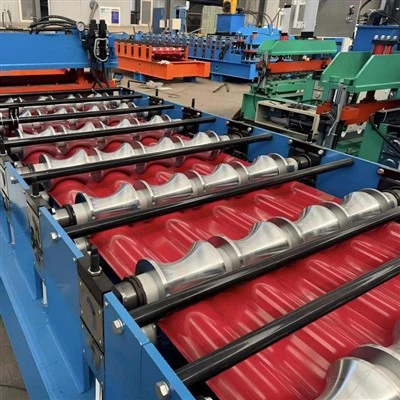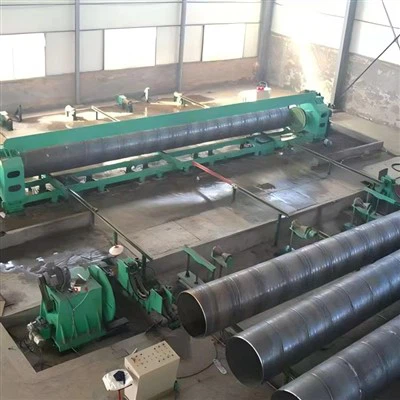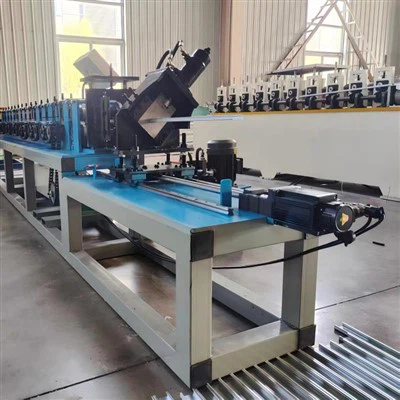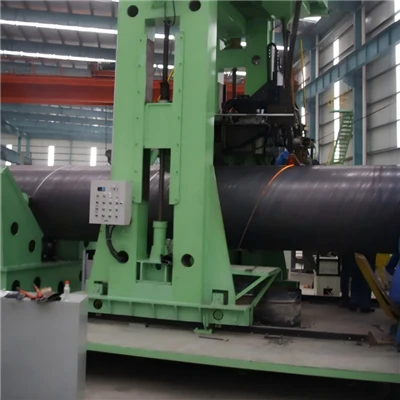
Roll forming is widely used to produce roofing sheets with consistent profiles and dimensions. The process passes a metal coil through a series of rollers, with each station gradually forming the material into the required shape. Because the sheet passes through many forming stations, the position and alignment of the rollers have a direct effect on the final product.
Even a small alignment error can become more noticeable as the sheet moves through the forming line. It may cause uneven bending, profile distortion, scratches, edge problems, or difficulties during cutting. Therefore, proper roller alignment is one of the basic requirements for producing high-quality roll forming roofing sheets.
What Roller Alignment Means in a Roll Forming Machine
Roller alignment refers to the correct positioning of the upper and lower rollers in relation to each other and to the centerline of the machine.
Each roller station has a specific forming function. The first stations normally make small bends, while later stations gradually bring the sheet into its final profile. The rollers must work together in the correct position so that the material moves smoothly from one station to the next.
Proper alignment normally includes:
- Correct horizontal positioning
- Correct vertical positioning
- Matching upper and lower rollers
- Correct roller gap
- Proper centerline alignment
- Parallel roller shafts
- Consistent positioning between forming stations
If these conditions are not maintained, the sheet may not follow the intended forming path.
Why Roller Alignment Is Important
The main purpose of roller alignment is to make sure that the sheet is formed gradually and evenly.
A roofing sheet may pass through 10, 12, 15, or more forming stations depending on the profile and machine design. Each station changes the shape slightly. If one station is misaligned, the following stations may receive material that is already in the wrong position.
This can create a chain reaction throughout the production line.
For example, if the sheet moves slightly toward one side at an early station, the error may become larger at later stations. By the time the sheet reaches the final forming station, the finished profile may no longer match the required dimensions.
Good alignment helps maintain:
- Profile accuracy
- Sheet width
- Straightness
- Consistent bends
- Edge quality
- Surface appearance
- Stable production speed

Roller Alignment and Roofing Sheet Profile Accuracy
Different roofing sheet profiles require different roller arrangements. Common profiles include corrugated sheets, trapezoidal sheets, standing seam panels, tile profiles, and decking sheets.
The profile dimensions must remain consistent along the entire length of the sheet. For example, the height and width of a trapezoidal rib should remain within the required tolerance.
If the rollers are not aligned correctly, the machine may produce:
- Different rib heights
- Uneven profile widths
- Asymmetrical bends
- Distorted edges
- Irregular wave shapes
- Changes in effective sheet width
This is particularly important when the roofing sheets need to overlap during installation. Incorrect profile dimensions can make the sheets difficult to connect properly.
How Misalignment Can Affect the Sheet
Roller misalignment does not always create an obvious problem immediately. Sometimes the first few meters of the sheet appear acceptable, while the problem becomes visible later.
Common problems include:
|
Problem |
Possible Effect |
|
Rollers not parallel |
Uneven forming |
|
Incorrect roller gap |
Scratches or excessive deformation |
|
Shaft misalignment |
Profile distortion |
|
Uneven roller pressure |
Different bending on each side |
|
Incorrect centerline |
Sheet moves sideways |
|
Damaged roller surface |
Scratches and marks |
|
Poor station positioning |
Inconsistent final profile |
These problems can increase material waste and require additional adjustments during production.
Roller Alignment and Sheet Straightness
A properly aligned machine should produce roofing sheets that remain straight after forming.
If the left and right sides of the sheet are not formed equally, the finished sheet may develop a curve or lateral movement. This can happen when one side of the roller applies more forming pressure than the other.
The result may be:
- Bowing
- Side bending
- Twisting
- Edge lifting
- Uneven overlap
Straightness becomes especially important for long roofing panels. A small deviation can become much more noticeable on a long sheet.
Roller Gap Must Match the Material
Alignment is not only about making the rollers visually straight. The roller gap must also be suitable for the material being processed.
Roofing sheets can be produced from different materials and thicknesses. Typical thickness groups may include approximately 0.25–0.5 mm, 0.5–0.8 mm, and 0.8–1.2 mm, depending on the machine and product requirements.
If the roller gap is too small, the sheet may experience excessive pressure. This can cause:
- Surface marks
- Scratches
- Excessive deformation
- Coating damage
- Higher forming resistance
If the gap is too large, the material may not be formed properly and the final profile can become inaccurate.
Therefore, roller adjustment should consider both the material thickness and the required profile.
Material Type Also Matters
The same roller setup may not produce identical results with every steel material.
Roofing sheets can be manufactured from materials such as galvanized steel, PPGI, PPGL, and other coated steel products. Their mechanical properties and coating systems can affect the forming process.
For pre-painted materials, roller surfaces are especially important. Poorly maintained or damaged rollers can leave marks on the coating.
For this reason, roller alignment and roller surface condition should be checked together.
The Role of the Guide System
The guide system before and between forming sections also affects alignment.
The guide rollers help keep the incoming coil in the correct position before it enters the forming rollers. If the material enters the machine at an angle, the forming rollers may not be able to correct the problem completely.
The guide system should help maintain:
- Correct sheet center position
- Stable feeding direction
- Even edge positioning
- Smooth material movement
Before adjusting the forming rollers, manufacturers should also check whether the incoming material is properly centered.

Alignment During Machine Installation
Correct roller alignment starts during machine installation.
The machine should be installed on a stable and level foundation. If the machine frame is not properly positioned, roller alignment can change during operation.
Important installation checks include:
- Machine level
- Frame position
- Roller shaft position
- Shaft parallelism
- Forming station centerline
- Guide system position
- Roller gap
- Cutting unit alignment
After installation, test production should be carried out before full-scale production begins.
Checking Roller Alignment During Production
Roller alignment should not only be checked when a machine is newly installed. Long-term operation can gradually affect machine settings.
Vibration, repeated loading, loose fasteners, bearing wear, and accidental impact can change roller positioning.
Operators can regularly check:
- Whether the sheet moves to one side
- Whether the profile changes along the sheet
- Whether scratches appear
- Whether both edges are formed equally
- Whether the finished sheet remains straight
- Whether unusual noise or vibration occurs
Regular checks can help identify small problems before they become major production issues.
Roller Alignment During Profile Changeover
When a machine is designed for different roofing sheet profiles, alignment becomes even more important during changeover.
Different profiles may require different roller sets or adjustments. The roller stations must be installed according to the correct forming sequence.
During changeover, operators should check:
- Roller position
- Roller sequence
- Shaft alignment
- Roller gap
- Guide position
- Profile dimensions
- Cutting length settings
A small setup error can affect the entire production batch.
How Alignment Affects Production Efficiency
Poor roller alignment can reduce production efficiency even when the machine itself is capable of high production speeds.
If the operator needs to stop the line repeatedly to adjust the rollers, production time is lost. Defective sheets also increase material consumption.
Good alignment helps reduce:
- Unplanned machine stops
- Rejected roofing sheets
- Material waste
- Repeated adjustments
- Surface damage
- Production interruptions
Stable forming also makes it easier to maintain a consistent production speed.
Checking the Finished Roofing Sheet
Roller alignment should ultimately be evaluated through the finished product.
Important inspection points include:
|
Inspection Item |
What to Check |
|
Sheet width |
Consistency along the sheet |
|
Profile height |
Required rib or wave height |
|
Profile width |
Correct design dimensions |
|
Straightness |
No excessive bending |
|
Edges |
Clean and properly formed |
|
Surface |
No scratches or roller marks |
|
Length |
Correct cutting dimension |
|
Overlap area |
Proper connection between sheets |
For higher-volume production, measuring tools and inspection equipment can be used to monitor these dimensions more consistently.
Practical Ways to Maintain Good Roller Alignment
Manufacturers can take several simple steps to maintain alignment during regular production.
First, keep the forming rollers and shafts clean. Dirt and material deposits can affect the roller surface and positioning.
Second, check bolts, bearings, and other mechanical connections regularly. Loose components can cause small movements during operation.
Third, avoid forcing material through the machine when there is a feeding problem. Excessive force can damage rollers or other components.
Fourth, check the machine after changing profiles or performing maintenance.
Finally, record important machine settings for different roofing sheet profiles. This can make future changeovers faster and more consistent.
What Manufacturers Should Keep in Mind
Roller alignment is a basic but very important part of roll forming roofing sheets. The forming process depends on every roller station working together in the correct position. Even a small alignment problem can affect profile dimensions, sheet straightness, surface quality, and production efficiency.
For this reason, manufacturers should pay attention to machine installation, roller positioning, material feeding, roller gaps, maintenance, and regular inspection. Keeping these factors under control helps the roll forming machine produce consistent roofing sheets with fewer adjustments and less material waste.