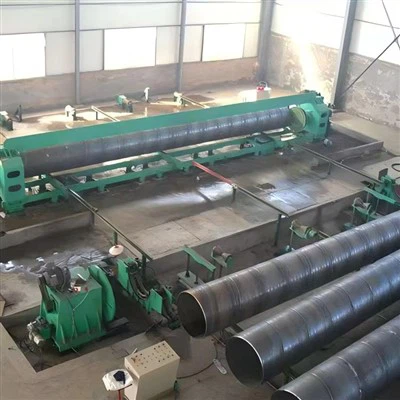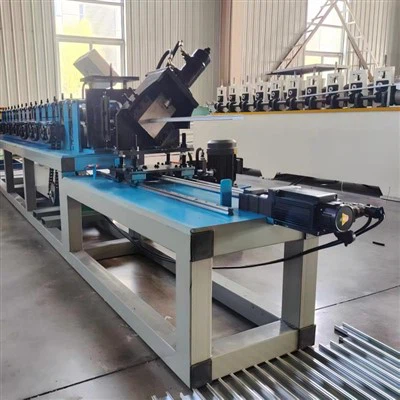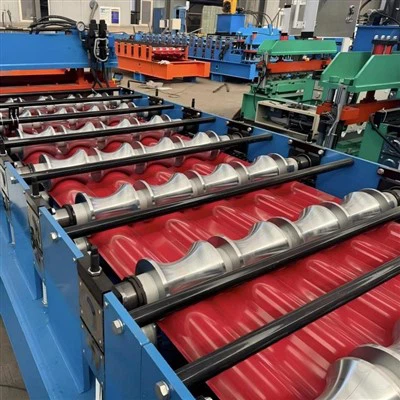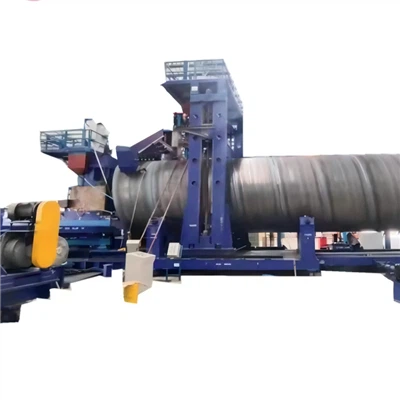
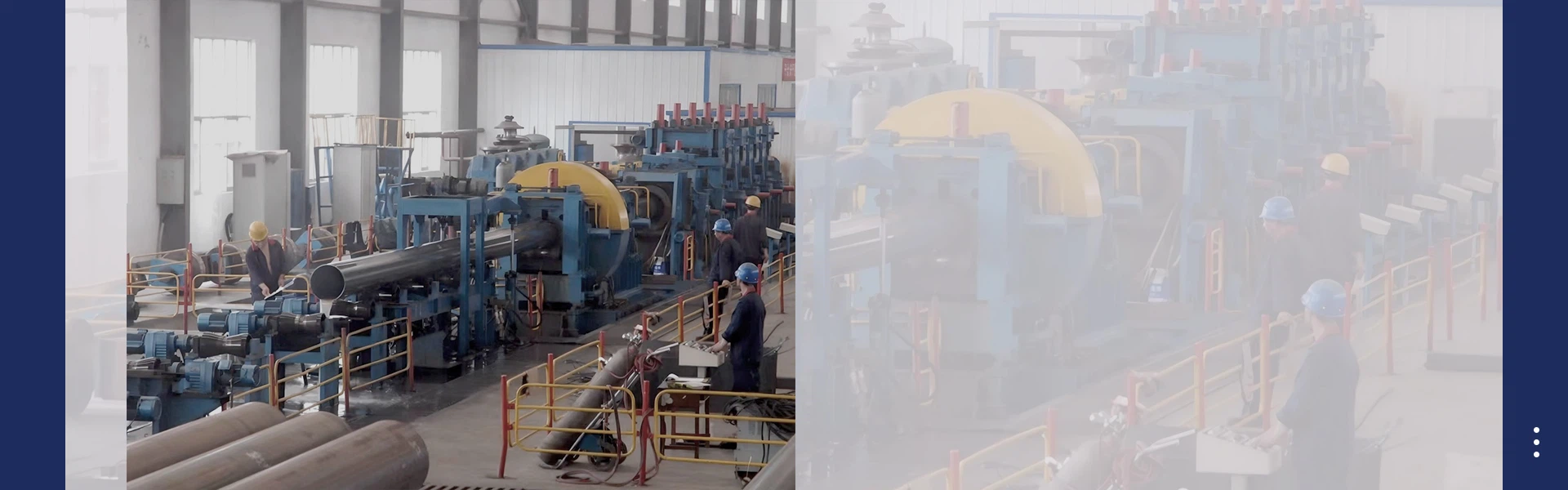
Pipe Hydro testing machines are important equipment for ensuring the integrity and durability of steel pipes used in various industries such as oil, gas, construction, and water transportation. This machine plays an important role in testing the pressure resistance and strength of pipes, and is widely used in fluid transportation, engineering construction, and energy transportation projects.
Different from the traditional visual inspections and size measurements, water pressure testing focuses on the safety of the internal structure of the pipeline and can effectively detect hidden defects that are not visible to the eye, such as tiny cracks, pinholes, weak welds, and uneven wall thickness. This equipment plays a essential role in testing the pressure resistance, structural stability, and overall mechanical strength of pipelines, and is an vital tool for ensuring safety standards, quality consistency, and long-term operational reliability of industrial pipeline systems.
In the oil and gas industry, steel pipes used in long-distance transportation of oil and natural gas must withstand extremely high internal pressure and harsh outdoor environmental conditions. Any minor structural defect can lead to pipeline leakage, explosion risks, and significant economic losses, as well as serious environmental pollution. Similarly, water supply and drainage pipes in urban infrastructure also need to maintain stable pressure-bearing capacity to ensure continuous operation and avoid leakage and pipeline break. For pipelines in construction projects, the water pressure test is a crucial quality inspection procedure both before leaving the factory and before on-site installation. It ensures that all completed pipelines fully comply with international industry standards and project technical specifications.
Working principle
The working principle of the pipe hydro testing machine is simple and reliable. It injects clean water into the sealed pipe and gradually increases the internal water pressure to the preset test pressure, maintaining this pressure for a certain period of time. During the pressure holding process, the inspectors observe whether the pipe body has any abnormal conditions such as water seepage, water gushing, deformation or pressure drop. If no abnormal phenomena are found, it is confirmed that the pipeline is qualified and has good compressive performance and structural integrity. This standardized testing method ensures that each batch of steel pipes can adapt to the actual working pressure and complex service environment.
Regular maintenance of these devices is crucial for ensuring their long-term efficient operation, preventing unexpected downtime and costly repairs. Long-term high-pressure working conditions may lead to wear on sealing components, aging of the hydraulic system, and inaccurate pressure readings. By conducting daily inspections, regular lubrication, sealing replacement, and calibrating pressure, the stable operation of the testing equipment can be effectively maintained, ensuring accurate and consistent test data, and extend the service life of the entire equipment. Stable machine performance also guarantees uniform testing standards for each batch of products, helping manufacturers maintain stable product quality and a good market reputation.
Furthermore, understanding the various applications of pipeline water pressure testing machines is important for optimizing their use in different fields. With the continuous improvement of industrial quality standards, static water pressure testing has become a necessary process for factory inspection of ERW steel pipes, seamless steel pipes, and anti-corrosion pipelines. Mastering the performance and application scope of this equipment helps manufacturing enterprises establish standardized testing procedures, enhance overall production efficiency, reduce product defect rates, and provide reliable quality assurance for global pipeline projects.

Regular Maintenance
The longevity and reliability of a pipe hydro testing machine depend heavily on proper maintenance. Regular maintenance ensures that the machine continues to provide accurate test results and operates at peak efficiency. Key maintenance tasks include regular inspection of the pressure test chamber and valve components to prevent leaks. The pressure system must be checked periodically for any wear or corrosion that might compromise its ability to withstand high pressure. Additionally, the hydraulic system should be thoroughly examined, as proper fluid levels and quality are essential for smooth operation. Ensuring that the machine's sensors are calibrated correctly is also crucial to maintaining precision in test results. The machine's electrical components, including wiring and controls, should be inspected regularly to avoid malfunctions that could cause test failures. By performing routine checks and timely repairs, operators can minimize the risk of unexpected breakdowns, ensuring the machine's reliability and extending its lifespan.
The Role Of Pipe Hydro Testing Machines In Different Industries
Pipe hydro testing machines have a wide range of applications across industries, especially those that require reliable, high-strength pipes.
One of the primary industries that rely on hydrostatic testing is the oil and gas industry, where pipes are subjected to high-pressure environments. Here, hydro testing ensures the pipes can handle the immense pressure that is generated during the transportation of oil and gas through pipelines.
Similarly, in the construction industry, the hydro testing machine is used to verify the strength and durability of pipes used in water systems and sewage lines. Water utilities also rely on these machines to test pipes for leaks and strength before they are installed in public infrastructure.
The machine's ability to simulate real-world pressures ensures that pipes are safe for use and can withstand years of operation under harsh conditions. Whether used in production facilities, quality control departments, or testing laboratories, pipe hydro testing machines provide a critical function in ensuring the safety, reliability, and quality of pipes across various sectors.

How a Pipe Hydro Testing Machine Contributes To Pipe Safety
Pipe safety is of utmost importance in sectors such as oil and gas, water treatment, and construction, where pipe failures can lead to severe consequences, including environmental damage, health risks, and financial losses. A pipe hydro testing machine plays an integral role in guaranteeing pipe safety by verifying that pipes meet the necessary standards for pressure resistance. The testing machine subjects pipes to high pressure, simulating the real-world conditions they will face during use. Any weak points or flaws in the pipes will manifest during testing, allowing manufacturers to identify and address issues before the pipes are deployed in the field. The machine ensures that only pipes that pass the test are approved for use, thus reducing the risk of failure and enhancing overall safety. By using a pipe hydro testing machine, companies can be confident that their pipes will perform reliably under high-pressure conditions.
Key Features And Benefits Of Pipe Hydro Testing Machines
When selecting a pipe hydro testing machine, it is important to understand the features that ensure efficient and accurate performance. The machine should be equipped with a high-precision pressure control system to apply consistent pressure throughout the test. Advanced data logging capabilities are another important feature, as they allow operators to track and analyze test results over time. The ability to accommodate various pipe sizes is also essential, as it ensures the machine can be used across a wide range of pipe testing applications. Additionally, a robust safety system should be in place to protect both operators and equipment during testing. These features contribute to a more efficient and reliable testing process, ensuring that pipes are safe and meet the required standards.
Comparing Pipe Hydro Testing Machines And Other Testing Methods
There are several different methods used to test the integrity of pipes, but pipe hydro testing machines remain one of the most widely used and effective tools in the industry. While other methods, such as pneumatic testing or ultrasonic testing, are sometimes used, hydrostatic testing is often preferred due to its simplicity and reliability. In comparison to pneumatic testing, hydrostatic testing has the advantage of being able to simulate the real-world operating conditions of the pipe, making it a more accurate method for evaluating the pipe's ability to handle pressure. Additionally, hydro testing is safer than pneumatic testing, which carries a higher risk of explosions due to the compressed air used. On the other hand, ultrasonic testing is useful for detecting internal defects but does not provide the same level of pressure resistance testing as a hydrostatic test. The table below compares these methods:
|
Testing Method |
Pipe Hydro Testing |
Pneumatic Testing |
|
Pressure Resistance |
Tests pipe under real-world pressure conditions |
Simulates pressure, but not as safely as hydrostatic |
|
Safety |
Very safe, uses water for testing |
Higher risk of explosions due to air pressure |
|
Accuracy |
Highly accurate for testing strength and durability |
Less accurate due to limited pressure simulation |
|
Versatility |
Suitable for various pipe sizes and pressure levels |
Limited to smaller pipe sizes and specific applications |
Maintaining a pipe hydro testing machine is crucial for ensuring the quality and safety of steel pipes used in high-pressure environments. Regular maintenance of the testing machine, along with its application in industries like oil and gas, construction, and water treatment, plays a vital role in verifying the strength and durability of pipes. By utilizing a pipe hydro testing machine, manufacturers can ensure that only the highest-quality pipes make it to production, minimizing the risk of failure and ensuring the safety of infrastructure. With the right care and attention, the pipe hydro testing machine will continue to provide reliable, precise testing results for many years to come.