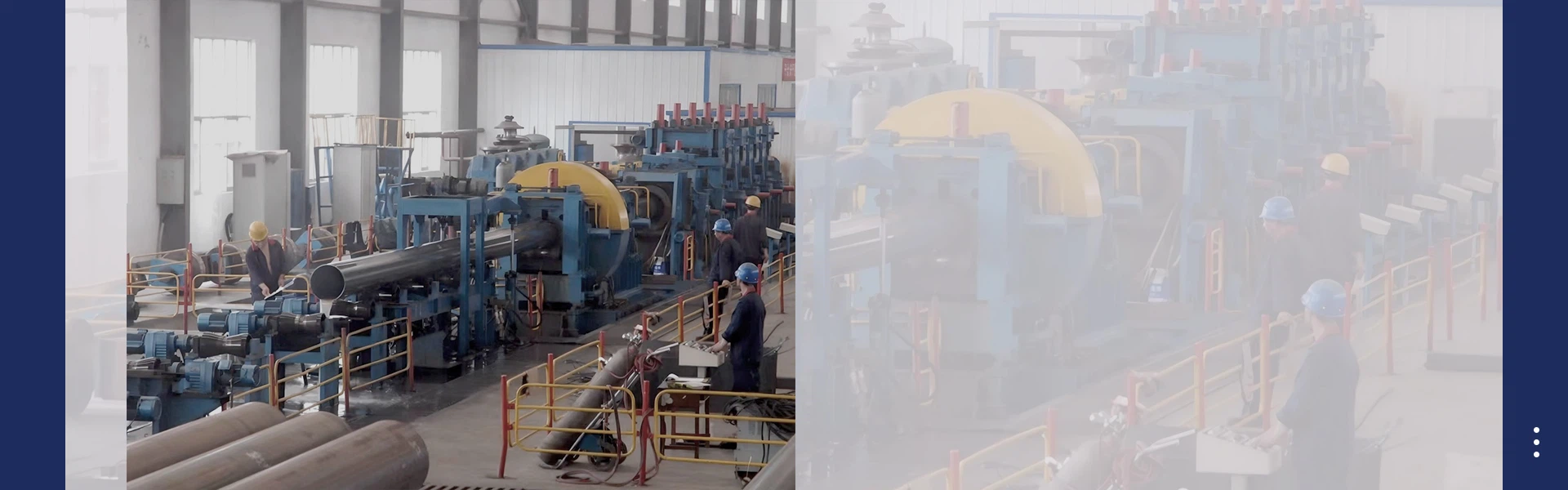
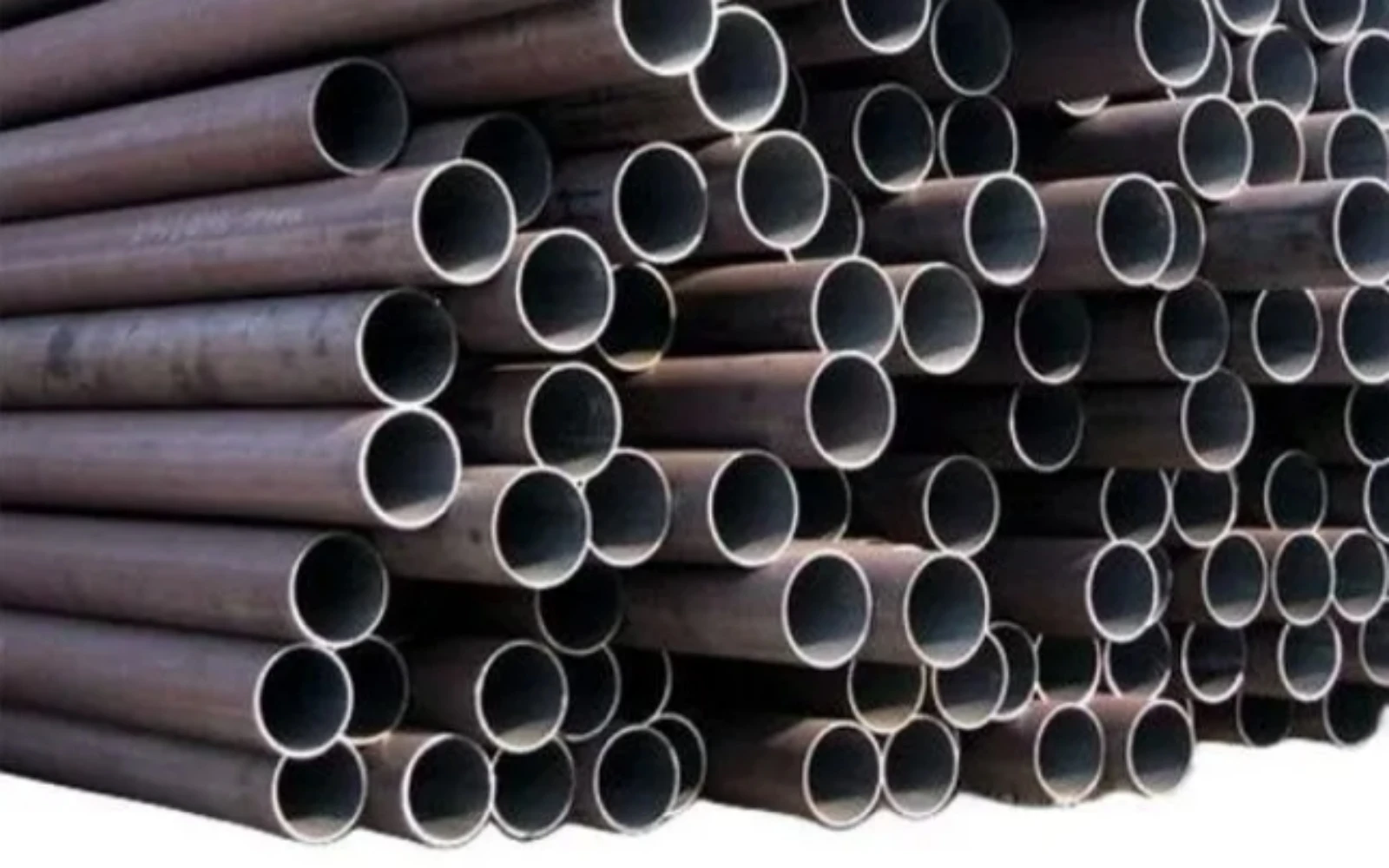
Electric Resistance Welded (ERW) pipe is one of the most widely used straight-seam steel pipes in modern manufacturing and construction industries. Manufactured through high-frequency resistance welding, ERW pipes feature high production speed, precise dimensional tolerance, smooth outer surface and cost-effective mass production capabilities. They dominate low-to-medium pressure applications such as building structural pipes, urban water supply pipelines, fire protection systems and general mechanical tubing. Despite its remarkable economic and processing advantages, ERW pipe possesses inherent technical limitations and structural disadvantages that restrict its usage in high-pressure, high-temperature, large-diameter and critical engineering scenarios. Many engineering failures and pipeline safety hazards originate from ignoring the natural defects and performance boundaries of ERW welded seams.
Inherent Weld Seam Weakness and HAZ Performance Differences
The most fundamental drawback of ERW pipes is the presence of permanent longitudinal welds and uneven heat affected zones (HAZ). Unlike seamless steel pipes with a completely uniform microstructure of metal, ERW pipes are formed by pressing and fusing the edges of two strips of metal through high-frequency resistance heating. Although the surface of the weld appears smooth and uniform, the internal metallurgical structure of the weld zone and the heat affected zone differs significantly from that of the base metal. During high-speed welding, rapid heating and instantaneous cooling result in uneven grain refinement, residual welding stress, and local material hardening. These structural differences make the weld the weakest part of the entire pipe structure.
Under internal pressure, impact load or alternating stress, the maximum circumferential stress endured by the straight seam welded joint is perpendicular to the stress direction. Compared with the stress distributed among the scattered spiral welds in spiral-welded pipelines, the ERW (Electro-Slag Remelting) straight seam welded joint concentrates the stress along a linear path, thus making it more prone to crack initiation and propagation. Even though qualified ERW pipes still have potential risks such as incomplete micro-melting, tiny oxide inclusions and grain defects, these defects will gradually expand under long-term operating loads, leading to pipeline leakage or fracture failure. According to high-standard engineering specifications, due to this inherent welding weakness, ERW pipes are explicitly prohibited from being used for transporting ultra-high pressure hazardous media.
Strict Limitations on Large-Diameter and Thick-Wall Production
The manufacturing of ERW pipes is subject to significant physical limitations in terms of diameter and wall thickness specifications, which is its main industrial disadvantage. The principle of ERW forming relies on the rolling and extrusion welding of fixed-width steel strips, with each steel strip width corresponding to a specific pipe diameter. This results in extremely poor flexibility when producing large diameters. Usually, traditional ERW production lines are only economically feasible when the pipe diameter is less than 610 millimeters. For large-diameter pipes required by municipal water supply, large-scale pile foundation projects, and long-distance main pipelines, ERW technology is no longer applicable. Instead, spiral SSAW or LSAW pipes have become the only feasible option.
In terms of wall thickness, ERW steel pipes are limited by the penetration capacity of high-frequency welding. Only when the wall thickness is below 20 millimeters to 22 millimeters can welding be stable and defect-free. Excessively thick walls will result in insufficient internal fusion, incomplete weld penetration, and concealed internal cavities. Unlike deep penetration arc welding, high-frequency resistance welding completely relies on surface eddy current heating and cannot fully fuse thick-walled sections. Therefore, ERW steel pipes cannot be used in heavy-walled high-strength structural engineering and high-pressure container pipelines.
High Sensitivity to Welding Parameters and Process Stability
ERW high-frequency welding is a highly parameter-sensitive process. The welding quality is highly dependent on the precise control of parameters such as current frequency, heating temperature, extrusion pressure, line speed, and the flatness of the electrode edge. Any slight fluctuation in any of these parameters will directly result in welding defects. Excessive current will cause overheating, welding burn, and slag spot defects, while insufficient current will lead to cold welding and incomplete fusion. Unstable extrusion pressure will result in uneven weld density and internal micro-cracks.
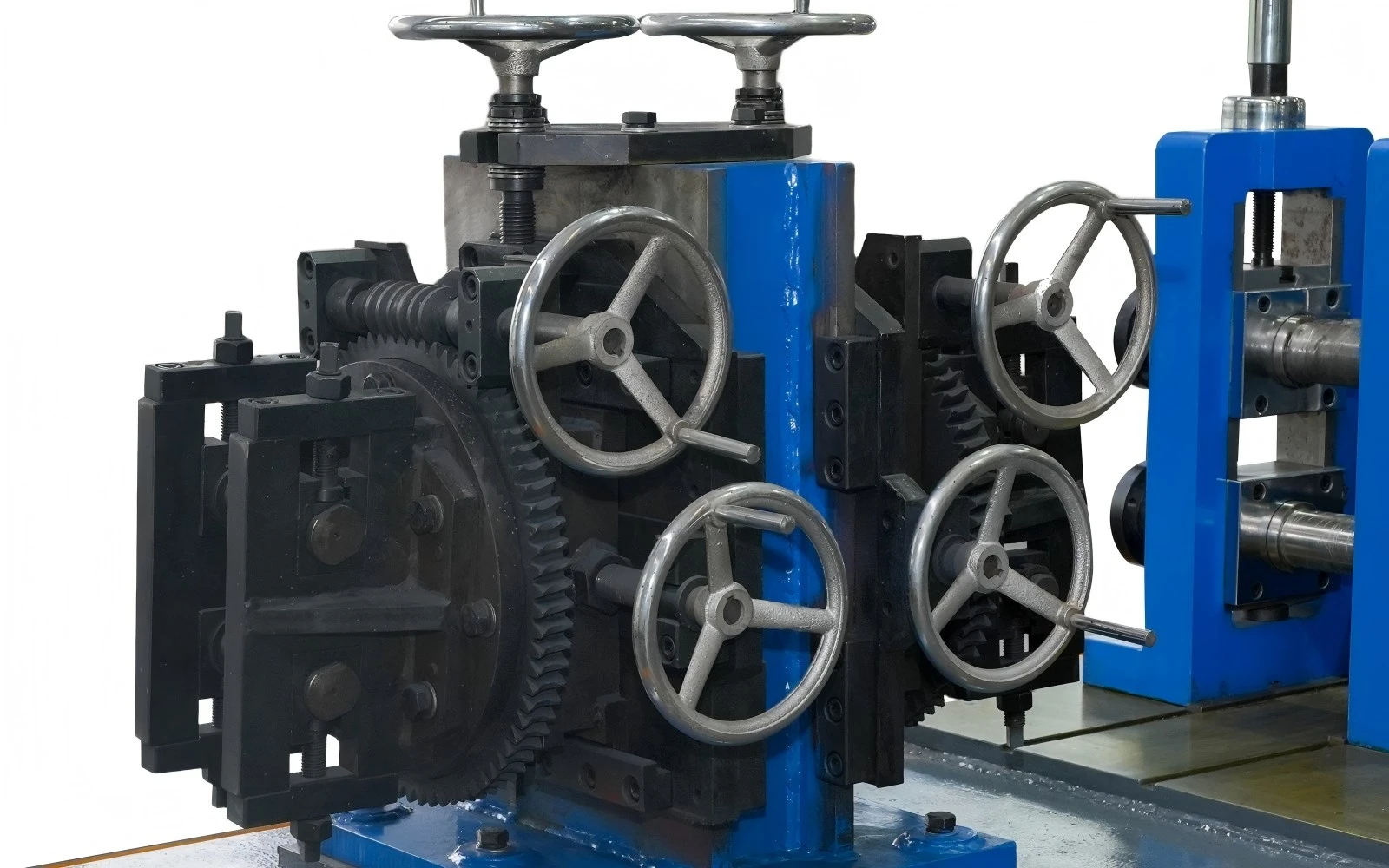
Due to the extremely high continuous speed at which ERW production operates, even minor parameter deviations can result in a large number of defective products within a short period of time. In actual workshop production, factors such as uneven thickness of the strip material, irregular edge milling, fluctuations in material hardness, and equipment vibration all affect the welding stability. Compared with low-speed submerged arc welding, in unstable working conditions, the defect rate of ERW is significantly higher. Therefore, real-time monitoring and strict quality inspection throughout the production process are required, which increases the manufacturing and inspection costs.
Poor Corrosion Resistance at the Weld Zone
Another key drawback of ERW pipes is the inconsistent corrosion resistance between the weld seam and the base material. During the ERW welding process, the rapid heating and cooling cycles alter the chemical microstructure of the weld zone and the distribution of residual stresses. As a result, the heat-affected zone (HAZ) forms coarse-grained areas and stress concentration regions, which are more prone to electrochemical corrosion than the uniform base material.
In humid environments, underground soil, and when exposed to seawater, the welds of ERW steel pipes are prone to developing corrosion pits and linear corrosion cracks. Even with external anti-corrosion treatments such as 3PE coating, local weld corrosion failure often occurs earlier than the aging of the base material. For long-term buried pipelines and marine engineering pipelines, these defects can significantly shorten the overall service life. Moreover, in stainless steel ERW steel pipes, the welding thermal stress will also increase the risk of intergranular corrosion, further restricting its application in chemical and marine corrosive environments.
Limitations in High-Pressure and High-Temperature Working Conditions
Due to weld seam weakness and structural stress concentration, ERW pipes have clear upper limits for pressure and temperature resistance. Industry standards generally restrict ERW pipes to medium and low-pressure grades. They are not approved for high-pressure boiler pipelines, petrochemical reaction pipelines and high-temperature steam transmission systems. Under high-temperature conditions, the HAZ of ERW pipes undergoes secondary grain growth, reducing weld toughness and easily causing thermal fatigue cracks.
Under instantaneous pressure surge and water hammer impact, ERW straight welds are prone to brittle fracture. In contrast, seamless pipes and thick-wall submerged arc welded pipes maintain stable mechanical performance under extreme working conditions. This disadvantage fundamentally limits ERW pipes to conventional civil construction and general fluid delivery fields, excluding them from critical industrial energy and chemical engineering projects.
Latent Quality Risks in High-Speed Mass Production
The advantages of high-speed continuous production of ERW pipes also bring inherent quality control issues. The high-speed production line results in extremely short response times for defect detection, and many minor internal defects, such as micro-melting gaps, fine slag inclusions, and linear micro-cracks, cannot be fully identified through traditional real-time ultrasonic testing. These hidden defects may only be discovered and cause failures through factory inspections, long after the long-term use of the pipes.
Furthermore, continuous replacement of coils and strip butt welding during the production process can easily lead to unstable forming and uneven weld transition areas, resulting in concentrated defects at the seam of the coil. Although modern ERW production lines adopt online annealing and weld bead tempering processes to eliminate residual stress, they still cannot completely eliminate the structural differences between the weld bead and the base material. Compared with the low-speed and high-precision SAW welding, ERW's large-scale production inevitably has large quality fluctuations and potential failure risks.
Poor Customization Flexibility for Special Profiles and Specifications
The production of ERW pipe relies on fixed-width grooving belts and fixed forming roller sets, which can only produce standard circular, square and rectangular pipes that conform to conventional specifications. It is difficult to adapt to special-shaped profiles, variable-thickness pipes and non-standard large-diameter products. Once customers request customized special specifications, the production line needs to replace the rollers, recalibrate parameters and adjust the width of the grooving belts, resulting in long downtime and high costs for molds.
Compared with the spiral pipes that can adjust the helix angle to achieve single-width production of various diameters, the production flexibility of ERW pipes is very limited. This drawback makes ERW pipes less competitive in customized engineering projects and orders with multiple specifications and small batches.
Although ERW steel pipes have significant advantages over traditional specifications in terms of low cost, high efficiency, and high dimensional accuracy, they also have some inherent defects that cannot be completely eliminated by improving the production process. The main drawbacks include irreversible differences in weld structure, performance defects in the heat affected zone, strict limitations on the manufacturing of large diameters and thick walls, high sensitivity to welding process parameters, uneven weld corrosion resistance, difficulty in adapting to extreme working conditions such as high pressure and high temperature, potential quality risks in high-speed large-scale production, and poor flexibility in custom specifications.
These drawbacks determine that ERW pipes can only be used in conventional engineering scenarios with medium and low pressure, such as building structures, municipal water supply, and general fluid transportation. They cannot replace seamless pipes in high-pressure industrial systems, nor can they replace spiral-welded pipes in large-diameter infrastructure projects. A thorough understanding of the shortcomings of ERW pipes helps engineers scientifically select the appropriate pipe material type, avoiding engineering safety hazards caused by incorrect material usage, and optimizing the design, quality control, and long-term operational reliability of pipeline systems in modern industrial and civil construction projects.