
Steel pipes serve as the backbone for modern infrastructure projects across oil‑gas transmission, water supply, chemical processing, building construction and municipal engineering. Among widely applied welded steel pipe categories, Electric Resistance Welded (ERW) pipe and Longitudinal Submerged‑Arc Welded (LSAW) pipe occupy dominant market shares. Many global purchasers, project contractors and engineering companies often face confusion when selecting between ERW pipe and LSAW pipe.
Both products are longitudinally welded steel tubes, yet they differ dramatically in raw material input, manufacturing workflow, weld seam performance, dimensional capacity, mechanical property, cost structure and suitable service conditions. Choosing the incorrect pipe type will bring about over‑investment cost or hidden safety hazards during long‑term operation. This article elaborates core distinctions covering production technology, size range, weld quality, material performance, application scenarios, inspection standards and commercial factors, helping industry practitioners make proper procurement and engineering decisions.
ERW pipe refers to Electric Resistance Welded pipe. It adopts hot‑rolled steel coil as raw material. Continuous strip steel is roll‑formed into circular tubular shape, and high‑frequency electric resistance heat melts the strip edges to form longitudinal weld joint without additional welding filler metal. LSAW stands for Longitudinal Submerged‑Arc Welded pipe. It takes heavy steel plate as starting material. Single steel plate is pressed and bent into circular cylinder, then multi‑wire submerged‑arc welding is implemented for inside and outside longitudinal weld with welding wire and granular flux. Even though two products share longitudinal weld feature, fundamental manufacturing logic creates gaps in every downstream‑concerned dimension.
1. Raw Material Difference
Raw material is the origin of most performance gaps between ERW and LSAW pipes. ERW production relies entirely on hot‑rolled steel coils. Steel coil is continuously rolled long strip steel produced by hot strip mill. Coil width restricts the maximum outer diameter of finished ERW pipe. Steel coil possesses good continuous forming performance for high‑speed roll forming line. However, coil has inherent limitations: thickness specification is restricted by hot strip mill capacity; for very heavy wall thickness, qualified wide coil becomes difficult to source. Coil microstructure and mechanical properties show slight deviation along coil length direction, which may bring property fluctuation for full‑length pipe products.
LSAW pipe uses cut‑to‑size heavy steel plate as raw input. Each single pipe corresponds to one piece of steel plate. Steel plate is produced by plate mill, independent of coil width constraint. Plate mill can manufacture extra‑thick, high‑strength grade steel material. Every steel plate undergoes independent material inspection before entering LSAW workshop. Uniform chemical composition and stable mechanical performance can be guaranteed for each pipe blank. Nevertheless, steel plate has higher unit purchasing cost compared with steel coil of identical grade. For small‑diameter thin‑wall specification, steel plate raw material will cause obvious cost disadvantage for LSAW product.
Chemical composition requirements for both pipes can meet API 5L, EN and GB standards. But raw‑material‑related risk points differ. ERW shall pay attention to coil edge quality, edge hardening and strip thickness tolerance variation. LSAW focuses on plate internal lamination, plate surface defect and plate flatness before pressing forming.
2. Manufacturing Process and Welding Principle
2.1 ERW Pipe Production Process
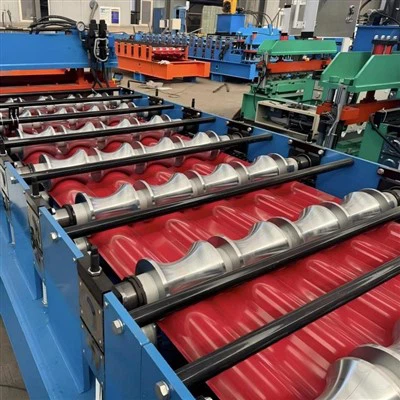
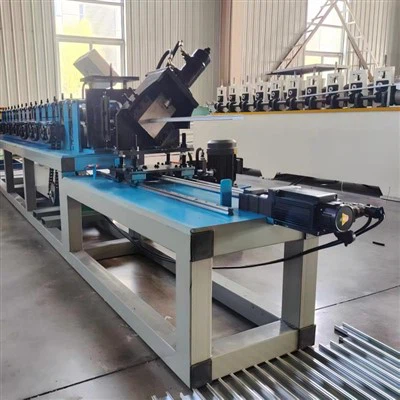
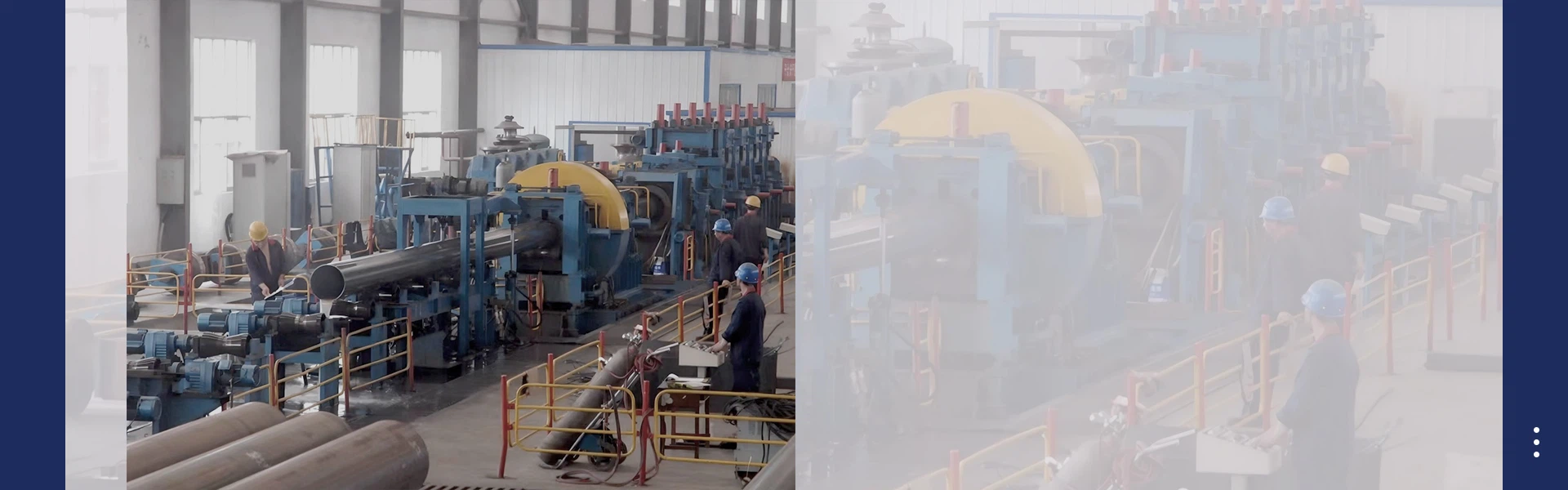
The complete ERW workflow: hot‑rolled steel coil uncoiling → leveling → edge trimming → continuous roll forming → high‑frequency resistance welding → weld seam online heat treatment (normalizing) → external weld bead removing → sizing & straightening → flying saw fixed‑length cutting → hydrostatic pressure test → non‑destructive testing → end facing & beveling → marking & packing.
The core is high‑frequency electric resistance welding. High‑frequency current concentrates on two edges of formed steel strip. Resistance heating raises edge metal to fusion temperature state. Squeeze rollers apply mechanical pressure to realize metal solid‑state bonding. No welding wire, no flux is added during welding procedure. Weld joint is formed through pressure fusion. After welding, continuous online annealing treatment is critical for ERW: it eliminates welding cold‑hardening effect, refines weld‑zone grain structure, reduces weld brittleness and restores toughness for weld seam. If online heat treatment is insufficient, ERW weld becomes vulnerable to hydrogen‑induced cracking and low‑temperature brittle failure.
ERW line realizes continuous high‑speed production. Production efficiency is outstanding. Yet the welding zone is narrow. Weld quality heavily depends on edge condition, high‑frequency power stability and squeeze‑roll pressure parameter control.
2.2 LSAW Pipe Production Process
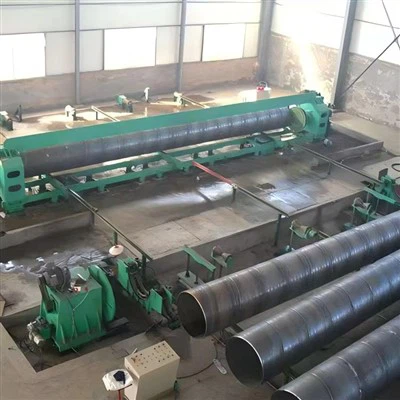
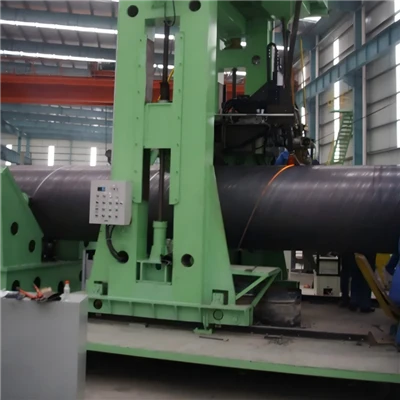
Typical LSAW manufacturing flow: steel plate incoming inspection → plate edge milling → plate U‑O pressing forming (Uing‑Oing process) → pre‑welding / tack welding → inside submerged‑arc welding → outside submerged‑arc welding → pipe rounding & sizing → post‑weld heat treatment (optional according to steel grade requirement) → hydro‑test → multi‑item non‑destructive inspection → pipe end machining → marking and storage.
Submerged‑arc welding is the core technology. Granular flux covers welding zone to isolate air. Multi‑wire solid welding wire fills weld groove. Molten flux generates slag layer protecting molten weld pool. Inside and outside welding are completed separately. Weld groove is pre‑machined by plate edge milling. Groove shape can be adjusted for thick wall condition to achieve full penetration weld joint. Each single pipe is manufactured individually rather than continuous production. Cycle time per pipe is much longer than ERW. Post‑weld stress‑relieving heat treatment can be applied for high‑strength heavy‑wall LSAW pipe to lower welding residual stress.
2.3 Weld Seam Structure Comparison
ERW weld is pressure‑bonded joint without filler metal. Weld width is narrow. After bead removal, outer surface looks very smooth. Potential defect types for ERW weld include lack‑of‑fusion, cold weld, hook crack originating from strip edge inclusion. LSAW weld is filler‑metal deposited weld seam. Weld bead is wider. Complete fusion can be achieved for very thick wall. Main possible defects are slag inclusion, porosity and incomplete penetration.
3. Dimensional Range Capacity
Size capability forms a clear market boundary between ERW and LSAW.
ERW pipe: Outer diameter normally ranges from 21.3 mm up to approximately 610 mm (2‑inch to 24‑inch). Wall‑thickness range is limited by hot‑rolled coil capacity. Thin‑wall and medium‑wall products are ERW strengths. When wall thickness becomes extremely heavy, available qualified steel coil becomes scarce, production difficulty rises sharply. ERW fixed‑length is flexible, commonly 6 m, 12 m or custom length. Continuous forming delivers good roundness and high dimensional accuracy for medium‑small diameter tubes.
LSAW pipe: Outer diameter generally starts from around 406 mm (16‑inch) up to 1422 mm or even larger sizes. It fills large‑diameter specification which ERW cannot reach. LSAW excels at heavy wall thickness. For high‑grade line pipe with thick wall for high‑pressure transmission project, LSAW is primary option. Limited by steel plate width, LSAW is less competitive for small‑diameter thin‑wall tubes. Each pipe is made from single plate, so single random length is commonly 12 m.
Brief summary: small‑to‑medium diameter mostly adopts ERW; large‑diameter heavy‑wall projects select LSAW. There exists overlapping diameter zone roughly 406‑610 mm, where purchasers need to compare cost‑performance and technical requirement.
4. Mechanical Performance and Weld‑Zone Behavior
Base metal mechanical properties for ERW and LSAW can both satisfy API 5L X42‑X80 line‑pipe standard when raw‑material quality is well‑controlled. The major difference concentrates on weld joint and heat‑affected zone (HAZ).
For properly manufactured ERW pipe with full online weld normalizing treatment: weld seam tensile strength can match base metal. But without effective post‑weld heat treatment, weld area presents higher hardness, lower toughness. Hook crack is a typical ERW‑specific defect. It originates from non‑metallic inclusion on steel‑coil edge, embedded into fusion interface during high‑frequency squeezing. Hook crack is hard to detect by ordinary visual check and needs ultrasonic testing.
LSAW submerged‑arc weld uses matched welding consumables. Weld deposit chemical composition can be artificially adjusted. Weld‑zone toughness can be optimized by selecting appropriate welding wire‑flux combination. Welding residual stress exists after SAW welding. For heavy‑wall high‑strength pipe, stress‑relieving heat treatment is adopted to improve anti‑cracking performance. LSAW weld exhibits wider heat‑affected zone compared with ERW.
Low‑temperature toughness performance is critical for cold‑region pipeline. Qualified LSAW can realize excellent low‑temperature impact value for large‑diameter high‑grade projects. ERW can also achieve good low‑temperature property, yet stricter control over coil raw material and online weld heat treatment must be guaranteed.
Hydrostatic test is compulsory for both pipe types according to API 5L specification. Test pressure calculation formula is identical. But non‑destructive test emphasis differs. ERW focuses ultrasonic inspection on longitudinal weld seam, especially detecting hook‑crack‑type defect. LSAW NDT covers weld seam, and also checks plate base‑material lamination risk.
5. Main Application Fields
Application selection is determined by diameter, wall thickness, pressure rating, service environment and project specification.
ERW typical applications
✅Medium‑small‑diameter oil‑gas gathering pipeline, city gas distribution network.
✅Water supply, sewage discharge municipal pipeline system.
✅Structural pipe: steel building frame, fence, pile pipe, mechanical engineering structural components.
✅Low‑and‑medium‑pressure fluid transmission.
✅Agricultural irrigation, general‑purpose conduit.
ERW is widely used for urban secondary distribution pipeline, not for main trunk high‑pressure large‑diameter long‑distance cross‑country pipeline.
LSAW typical applications
✅Long‑distance high‑pressure trunk oil and gas transmission pipeline, especially large‑diameter heavy‑wall main line pipe.
✅Off‑shore platform onshore segment, heavy‑diameter process piping for petrochemical plant.
✅Hydropower project penstock, large‑diameter water conveyance main pipeline.
✅Piling pipe for deep‑water wharf, bridge foundation heavy‑diameter structural pipe.
✅Project requiring high‑strength grade, heavy wall and strict low‑temperature toughness requirement.
In the overlapping diameter range (16‑24 inch), clients make decisions according to project specification, budget and local manufacturing availability. Some international main‑line pipeline standards explicitly prohibit ERW for trunk‑line high‑pressure application, and specify LSAW as mandatory option.
6. Cost, Delivery and Commercial Factors
Cost structure distinction is obvious. For medium‑small‑diameter specification, ERW enjoys prominent cost advantage. Continuous high‑speed production, coil raw‑material cost benefit lower the unit price. Production cycle is short, delivery lead‑time is fast.
For large‑diameter heavy‑wall specification, ERW loses feasibility due to coil limitation; LSAW becomes only welded longitudinal pipe option. LSAW raw‑material steel plate is more expensive, single‑piece production cycle is longer, manufacturing man‑hour consumption is higher, so unit price is significantly higher than ERW for comparable grade.
Supply‑chain risk points: ERW quality fluctuation mainly comes from coil source and whether complete online weld heat‑treatment facility is equipped. Some low‑end ERW manufacturers skip weld normalizing procedure to cut cost, bringing hidden danger. For LSAW, risk comes from steel‑plate quality, edge‑milling precision, inside‑outside submerged‑arc welding parameter setting and post‑weld stress relief.
Inspection cost: Both need hydro‑test, UT, MT as required. LSAW large‑diameter heavy‑wall pipe spends higher expense on material inspection and NDT.
7. Standard and Acceptance Requirement
Both ERW and LSAW can be manufactured complying with API 5L, ISO 3183, EN 10217, GB/T 9711 standards. But standard has differentiated clauses for ERW special requirements.
API 5L specifies that ERW weld seam shall undergo full‑body heat‑treatment or online weld‑zone normalizing. Hook‑crack ultrasonic inspection is required for ERW products. For LSAW, requirements focus on weld deposit chemical composition, welding consumable qualification, groove preparation and stress‑relieving treatment for heavy‑wall high‑strength grades.
Many international EPC engineering companies write project technical specification: main‑line long‑distance high‑pressure pipeline adopts LSAW; gathering line, distribution network may permit qualified ERW. Purchasers cannot only compare unit price; they must confirm whether pipe type satisfies project technical specification. Wrong substitution may cause whole batch goods rejection.
ERW and LSAW are two kinds of longitudinal welded steel pipes with completely different manufacturing routes. ERW takes steel coil as raw‑material, high‑frequency resistance pressure welding without filling metal. Its strengths are high‑efficiency production, competitive cost, good dimensional accuracy for medium‑small‑diameter pipe. Its limitations lie in maximum diameter and wall‑thickness constraint by hot‑rolled coil, and special attention must be paid to weld heat‑treatment and hook‑crack defect.
LSAW uses heavy steel plate blank, U‑O pressing forming and double‑sides submerged‑arc welding with welding wire and flux filler. Its core advantages are large‑diameter heavy‑wall capacity, adjustable weld‑metal composition, stable performance for high‑strength high‑pressure heavy‑diameter project. Disadvantages are higher raw‑material and manufacturing cost, longer production lead‑time.
There is no absolute better product. The proper selection depends on project outer‑diameter, wall‑thickness, design pressure, service temperature, medium property and contract technical specification. For small‑and‑medium‑diameter distribution and general‑purpose usage, ERW provides economical solution.
For long‑distance trunk pipeline, large‑diameter heavy‑wall high‑pressure project, LSAW is preferred technical option. Global buyers should fully understand these key differences during tender evaluation and procurement process, balancing technical performance, safety requirement and commercial budget, avoiding inappropriate pipe‑type selection which may cause engineering risk or unnecessary overspending.