With the continuous development of modern architecture, interior decoration and construction technologies, traditional wooden and concrete structural materials are gradually being replaced by new types of lightweight, high-strength and environmentally friendly building materials. Among them, light steel keels have become one of the indispensable core materials in modern interior decoration, partition engineering, ceiling installation and prefabricated building structures.
Light steel keel is a metal framework used in construction projects. It is made from high-quality hot-dip galvanized steel strips as raw materials and is processed through cold bending and keel forming machines.
It is widely used in commercial buildings, office buildings, residential projects and industrial factories for the framework inside the ceilings, non-load-bearing partitions, wall decorations and roof decorations, etc. Compared with traditional wooden keels and solid steel structures, light steel keels have the characteristics of light weight, high structural stability, fire resistance, corrosion resistance and standardized production.

Features
After processing, light steel studs form various cross-sectional profiles such as U-shaped, C-shaped,etc. The thickness of the raw material is typically controlled between 0.4 and 1.2 millimeters, ensuring lightweight properties while maintaining high tensile strength and structural rigidity. Unlike heavy-duty structural steel, which forms the main framework of buildings, light steel studs do not bear primary structural loads. Instead, they serve as auxiliary skeletal elements for decoration and secondary load-bearing, primarily used to secure decorative panels such as gypsum boards and cement boards. Due to their dense zinc coating on the surface, light steel studs effectively block air and moisture, preventing rust and corrosion. This unique characteristic enables them to maintain long-term stability even in humid environments and complex architectural spaces.
The manufacturing process of light steel keel
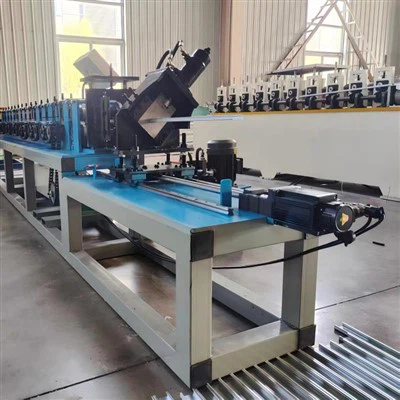
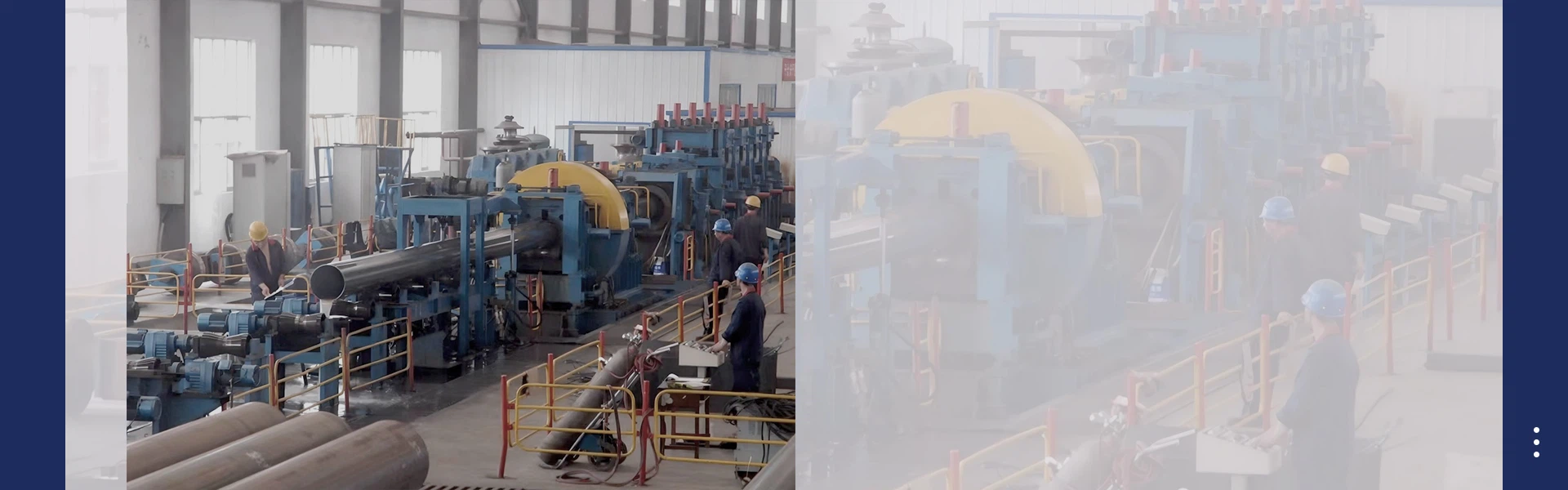
The production of light steel keel adopts a fully automatic continuous cold forming process. The complete production process includes raw material inspection, unwinding, flattening, precise rolling and forming, punching, fixed-length cutting, surface finishing, and finished product packaging, etc.
1.Raw material preparation and inspection
The core raw material is hot-dip galvanized steel coils, which have a uniform zinc layer and stable mechanical properties. Before production, the manufacturer will strictly inspect the thickness of the steel, the weight of the galvanization, the tensile strength, and the flatness of the surface to ensure the quality of the raw materials, without any issues such as missing coating, scratches, or uneven thickness. Qualified raw materials can guarantee the corrosion resistance and structural stability of the finished dragon bones, preventing problems such as deformation and rusting during use in the future.
2.Cold Rolling and Profile Forming
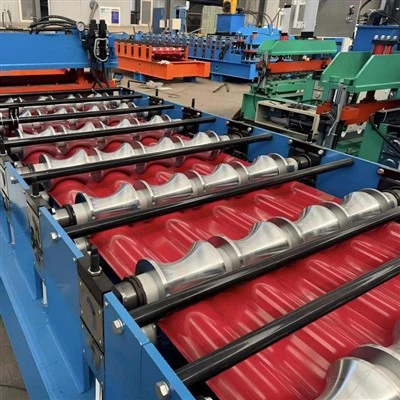
After unwinding and straightening, the steel strip will enter a multi-pass continuous rolling process. Through the gradual bending and compression of the precision forming rolls, the steel strip is continuously compressed and shaped into C-shaped, Z-shaped, etc. The cold rolling process can ensure uniform internal stress and precise cross-sectional dimensions, thus making each batch of header products consistent in specifications and highly interchangeable. Unlike hot processing, cold forming does not alter the metallurgical structure of the steel, so it retains the original high strength and toughness of the galvanized steel.
3.Pressing, Cutting and Precision Processing
During the continuous forming process, the automatic pressing equipment will process the standard installation holes and connection grooves on the keel according to the design standards. This facilitates on-site assembly and fixation. After fixed-length cutting, the cutting surface is smooth and free of burrs, which can avoid scratching the construction workers and the decorative panels. Finally, surface inspection and sorting are carried out to remove deformed and defective products. The qualified light steel keels are bundled in a certain way for storage and transportation.
Common Classification and Structural Types
Light steel keels can be classified according to structural shape, functional purpose , and each type has independent application scenarios and structural characteristics.

Functional Usage
Depending on the specific circumstances during the construction process, light steel keels are classified into ceiling keels and partition keels. Ceiling keels include main keels and secondary keels, which are used to form the overall ceiling framework, support the ceiling, decorate the panels, and integrate electrical wiring and ventilation equipment. Partition keels mainly consist of C-shaped vertical keels and U-shaped upper and lower keels, forming the non-load-bearing wall framework, used for dividing indoor spaces, and combined with gypsum boards to form lightweight partition walls.
By section shape classification
The common section types include U-shaped, C-shaped, T-shaped and L-shaped angle steel keels. U-shaped keels are mainly used for the main load-bearing framework of ceilings and partition walls. C-shaped keels are flexible in installation and are mainly used for the vertical wall frame and the support of secondary ceilings. T-shaped keels are widely used in exposed ceiling systems, with a neat and beautiful installation effect. L-shaped keels are used for the edge sealing and corner fixation of ceilings and walls, playing a role in stabilizing the edges and beautifying the interface.
Core Functional Advantages
Lightweight and high-strength
The light steel keel is made of thin-walled high-strength steel structure, which is much lighter than traditional concrete and wooden keels. It effectively reduces the self-weight of the building's main structure and lowers the pressure on the foundation. Meanwhile, cold-formed steel profiles possess a stable mechanical structure and excellent impact resistance. Under normal loads, they are unlikely to deform or crack, ensuring that the ceilings and partitions remain flat and stable over a long period of time.
Excellent fire resistance and corrosion resistance properties
Unlike flammable wooden keels, galvanized light steel keels are an inorganic metallic material that is non-combustible and has outstanding fire resistance. They can effectively prevent the spread of fire and comply with national building fire safety standards. Moreover, the complete galvanized isolation layer can resist air oxidation, water vapor erosion, and minor chemical corrosion, and will not rot, mold, or rust in a humid indoor environment, thus solving the problem of traditional wooden keels' tendency to age and deteriorate.
Green and pollution-free
Light steel framing is a recyclable green building material that does not contain formaldehyde, benzene or other harmful substances. During use, it does not release toxic gases, ensuring good indoor air quality. Compared with concrete and brick wall structures, light steel framing decoration reduces construction waste and resource consumption, conforming to the development trends of green buildings and energy-saving buildings.
Efficient construction and standardized assembly
The light steel keel is produced with a unified specification, and the connection holes and assembly structure are consistent. On-site construction only requires splicing, fixation and combination, without the need for complex cutting and processing. The operation is simple and fast, significantly shortening the construction period. At the same time, the standardized structure ensures high installation accuracy and effectively avoids problems such as wall deformation, ceiling cracking and uneven flatness caused by human operational errors.
Working principle and mechanical properties
The entire framework of the light steel keel adopts the mechanical principle of stress dispersion. Through the orderly assembly of main keels, secondary keels and auxiliary keels, it forms an overall grid skeleton. The main keels bear the overall load and transfer the self-weight of the decorative panels to the building floor and walls through suspension components and fixing accessories. The secondary keels distribute local loads and maintain the overall flatness and geometric stability of the structure. Although each single keel is relatively thin, the combined grid structure has good overall stability, which can resist slight vibrations and minor deformations of the building, effectively preventing ceiling and wall cracking caused by building settlement and temperature changes.
Main application scenarios
Light steel keels are widely used in the decoration fields of various civil and industrial buildings. In commercial buildings such as shopping malls, office buildings, hotels and exhibition halls, the light steel keel ceiling system is used for large-scale ceiling decoration to achieve a smooth and beautiful indoor space. In residential buildings, it is mainly used for interior partition walls, ceiling designs and background wall keel structures to optimize the indoor space layout. In public buildings such as factories, hospitals and schools that have high requirements for fire safety and environmental protection, light steel keels replace traditional wooden structures to enhance building safety.
Light steel framing is a new type of high-performance, environmentally friendly and standardized cold-formed steel building material. It is made from galvanized sheet materials and is manufactured through precise cold rolling and forming processes.
It features light weight, high strength, fire resistance, corrosion resistance, and ease of installation. Unlike traditional decorative framing materials, light steel framing addresses the shortcomings of wood and concrete in terms of flammability, rotability, and heavy weight. With the continuous improvement of green building standards and prefabricated construction technologies, light steel framing will further replace traditional building materials and become the mainstream material in modern building decoration and modular construction, promoting the development of the construction industry towards higher quality, higher efficiency, and environmental friendliness.