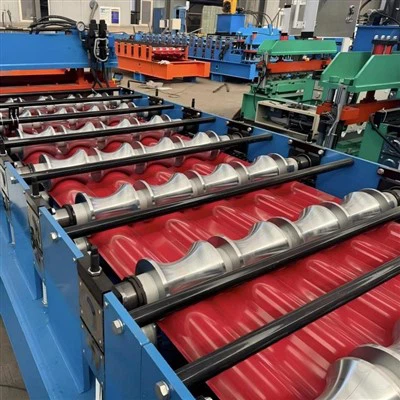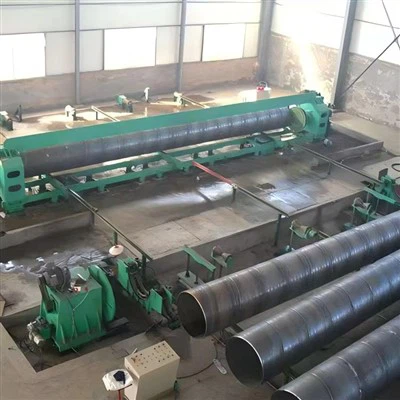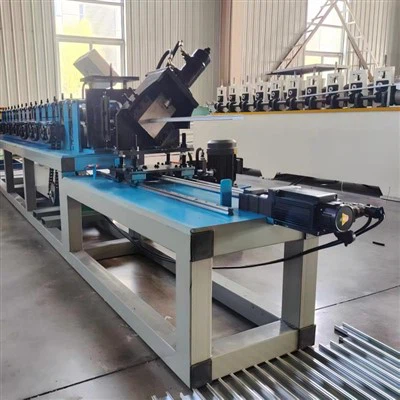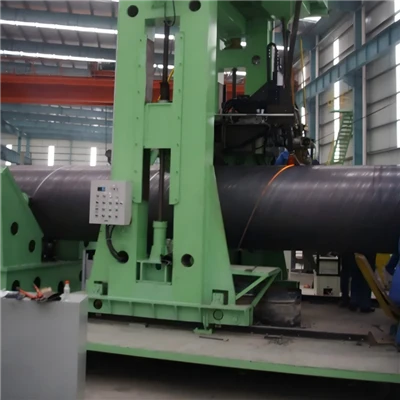
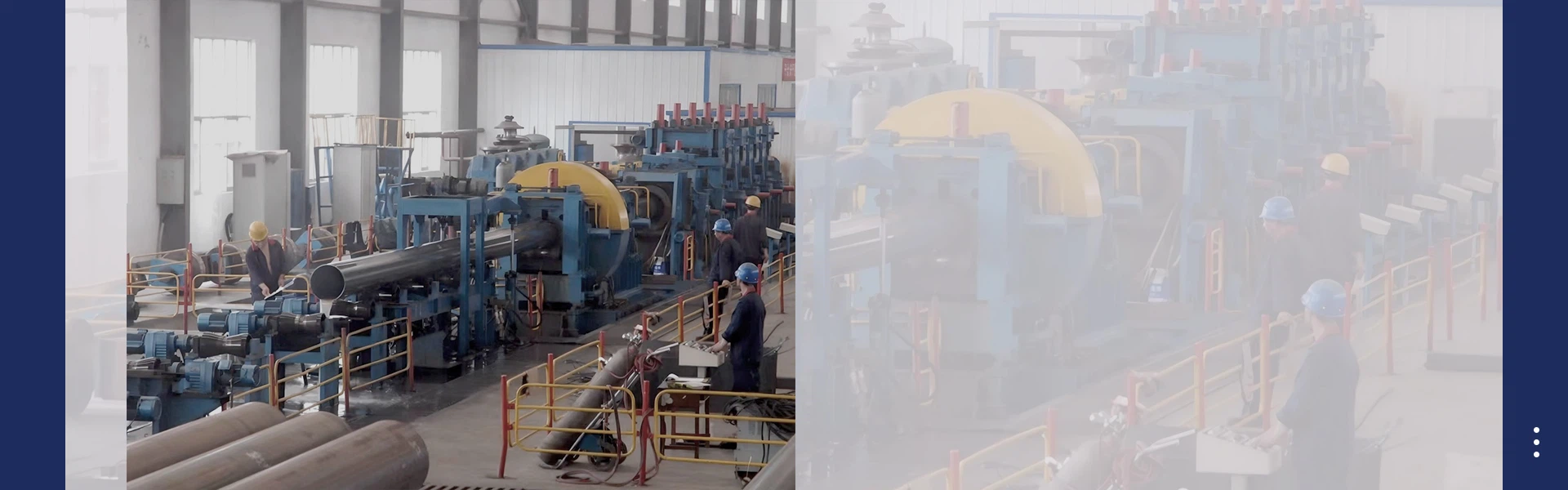
To answer the mainquestion-What is a pipe bevelling machine-it is a critical equipment for the quality and safety of global pipeline engineering and steel structure manufacturing.
Pipe End Beveling Machines efficient pipe end processing through innovative structural design and automated workflows.
The applicant of pipe end beveling machine are oil and gas, municipal engineering, chemical, and marine sectors underscores their irreplaceable value in modern industry, because pipe bevelling machines continue to advance technologically, thus expand their application scope.
With the rise of petrochemical and oil pipeline projects, in order to replace manual chamfering and improve the accuracy of the bevels and the construction efficiency, there comes a critical tool: the pipe end bevelling machine. This equipment is essential for engineers and pipe manufacturers in all over the world. It can transform the original pipe end into a precise bevel, in order to leak-free welding and seamless connection. Now various industries requires higher efficiency, safety standards, and more complex projects, the role of the pipe end chamfering machine has evolved from a simple auxiliary tool to an indispensable piece of equipment in modern manufacturing and construction.
Core Function: Doing bevels on pipe ends for welding.
A pipe bevelling machine is a specialized industrial tool, to shape the ends of pipes and tube as bevels. These bevels are essential for welding, allowing molten metal to penetrate deeply and form airtight, structurally sound joints. It is difference with manual grinding or flame cutting, a professional pipe end beveling machine can meet uniform angles, smooth surface finishes, and strict dimensional accuracy, to avoid human error and material waste. Among the full beveling equipment, Pipe End Beveling Machines be widely used, especially for processing internal and external bevels on steel pipe end to meet industrial welding and standards.

A professional pipe enb beveling equipment can cover a wide range of processing capabilities, and can be compatible with various steel pipes with diameters ranging from φ60mm to φ2540 mm, wall thicknesses ranging from 5 to 40mm, and lengths ranging from 5 to 18m. This equipment support 3 main joint shapes - V-shaped, X-shaped and U-shaped, with adjustable angles ranging from 30° to 60°, ensuring that they can meet different welding process requirements. These devices can handle common industrial steel grades such as Q235, Q355 and X70, and comply with globally recognized inspection standards such as API 5L, ASTM A53 and GB/T 9711, etc.
Structural Composition and Working Principle of Pipe End Beveling Machine
1. Structural Composition
A complete pipe end bevelling machine includes a main body, spindle headstock, cutter disc transmission system, hydraulic clamping device, stepping pipe conveying mechanism, lateral pipe-moving rollers, alignment baffles, and supporting hydraulic and electrical control systems. Each component operates, ensuring precision and efficiency during processing.
2. Working Principle
The headstock serves as the core cutting unit, integrating a sleeve spindle, cutting tools, drive motor, gear pulley system, and tensioning device. Equipped with two tool rests-one for flat-end cutting and another for outer-edge beveling-each cutter tray features external circular support rollers for steel pipes, guaranteeing uniform chamfering. The hydraulic clamping device, fixed to the main body base, uses interchangeable fixtures to accommodate different pipe diameters, securing the workpiece firmly to prevent displacement and processing deviations during high-speed cutting.

Feeding and Centering: The steel pipe be fed into the pipe end beveling machine by the roller conveyor, and the V-shaped centering mechanism adjusts its position, in order to align the center of the pipe and the center of the cutter disc.
Clamping and Positioning: The hydraulic clamping device firmly grips the steel pipe to prevent it from shifting during processing.
Flat Cutting: The cutter disc rotates, and the flat cutter feeds in, removing the extra materials at the pipe end, and making the pipe end surface perpendicular and smooth.
Bevel Cutting: The bevel cutter follows and cuts out a slope with the angle and depth that you set at the pipe end.
Retracting and Resetting: Once the processing is completed, the cutter disc retracts and the clamping device releases.
Feeding and Transporting: The steel pipe is sent out by the roller conveyor and enters the next process (such as Pipe Hydro Testing Machine, Pipe surface marking)
This pipe end beveling equipment can meet one-time forming of flat ends and bevels, beyond traditional manual chamfering, improving production speed.
The main advantages of the pipe end beveling machine compared to traditional processing methods
In the early days, pipe end chamfering was mainly done by workers manually cutting the angle and flame on the pipe ends. These traditional methods resulted in uneven chamfer angles, rough surfaces, and burrs, and were prone to causing deformation of the pipe ends, seriously affecting the welding quality and sealing of the pipes. Because of this, a new type of pipe end chamfering machine with higher precision, higher efficiency, and greater safety has emerged.
Precision is the most prominent feature of the pipe end chamfering machine: ensuring the chamfer angle is accurate to ±0.1°, with consistent slot depth, and strict pipe end perpendicularity - meeting the high standards of petrochemicals, nuclear energy, and marine engineering.
Cold cutting technology avoids the influence of high temperatures during the cutting process on the pipe, ensuring that the pipe ends do not deform.
Efficiency is another advantage of the pipe end chamfering machine: a fully automatic pipe bevel processing machine can continuously process multiple pipes, thereby reducing labor costs by approximately 40% and eliminating the problem of inconsistent quality caused by operator fatigue.
Main Application of Pipe End Beveling Machines
Pipe end beveling machines have almost become indispensable equipment in all industries involving pipeline installation and steel pipe connection. Their main applications are as follows:
1. Oil and gas transportation pipelines
Long-distance oil and gas pipelines require high-pressure and leak-free welding, and precise bevels can ensure decades of use.
2. Municipal water supply and drainage systems
Urban underground pipelines require standardized beveling for processing to achieve rapid construction and prevent leaks.
3. Chemical high-pressure pipelines
Corrosive and high-pressure media in chemical production must have bevels to enhance welding sealing and corrosion resistance.
4. Marine engineering and offshore platforms
The harsh marine environment with high salinity, strong winds, and huge waves has extremely high requirements for the welding quality of steel pipes, so pipe end beveling machines become standard equipment for offshore pipelines.
5. Steel structure engineering
The beveling of steel pipe connection ends is important for the support and framework of building pipelines, and the bevels can ensure the stability and safety of welded steel structures.
Selection Standards of Pipe Eed Beveling Machine
Pipe manufacturing selecting a pipe end beveling machine must follow 4 key factors as below.
1. Pipe diameter and wall thickness
these data included the machine's weight, diameter of cutter disc and motor power, with most models covering the φ60–φ2540mm processing range.
2. Shape requirements
different welding processes required different shapes, such as V-shaped, X-shaped, or U-shaped bevels, so the machine must support correct shape adjustments.
3. Factory site conditions
the length of pipe end beveling machines is 15–30m, requiring enough space for feeding and discharging in workshops or factory sites.
Famous models are classified by test ton and applicable pipe diameter, including popular options such as the D-HT05 (φ219–720mm pipe diameter, 500-ton test capacity), D-HT08 (φ426–1420mm, 800-ton), D-HT15 (φ426–1820mm, 1500-ton), D-HT20 (φ426–1820mm, 2000-ton), D-HT30 (φ426–1820mm, 3000-ton), and D-HT40 (φ630–2540mm, 4000-ton). All models feature contact-type end-face sealing for stable operation, even in harsh processing environments.

Market Development Trend and Industry Prospect
In recent years, driven by global infrastructure requirements, pipe beveling machines have achieved steady growth. According to industry data projections, by 2026, the global pipe beveling machine market will reach 68 million US dollars, and by 2035, it will expand to 178,220 million US dollars, with a compound annual growth rate (CAGR) of 11.3%. The pipe material processing sector accounts for more than 30% of this market and is the fastest-growing segment within the industry.
Currently, China has become the world's largest exporter of pipe end beveling machines. Yashanway, as a major manufacturer of pipe processing equipment, has been focusing on high-quality and customized solutions for many years. With our mature technological research and development, professional technical guidance, and high-quality service model, we have gained the trust of customers from both domestic and international markets. In the future, as global pipeline safety standards become increasingly strict, high-precision pipe beveling processing equipment will enter emerging fields such as nuclear power, hydrogen energy, and carbon capture. Our company will also explore new market opportunities and accelerate the improvement of the performance of pipe beveling machines to adapt to different industries.
If you want to know more about Pipe End Beveling Machine, welcome to Tianjin Binhai Yashanway Import And Export Co., Ltd, we will share more details information(photos, technical sheet, videos, etc) to you.