Submerged arc welding (SAW) is one of the most efficient, reliable and widely used arc welding processes in modern heavy industry. Unlike open arc processes, where welders can see the arc, submerged arc welding completely hides the arc within a layer of granular fusible flux. As the welding head moves along the joint, the flux is continuously supplied from the hopper to the workpiece, covering the arc, the molten weld pool and the solidifying weld metal.
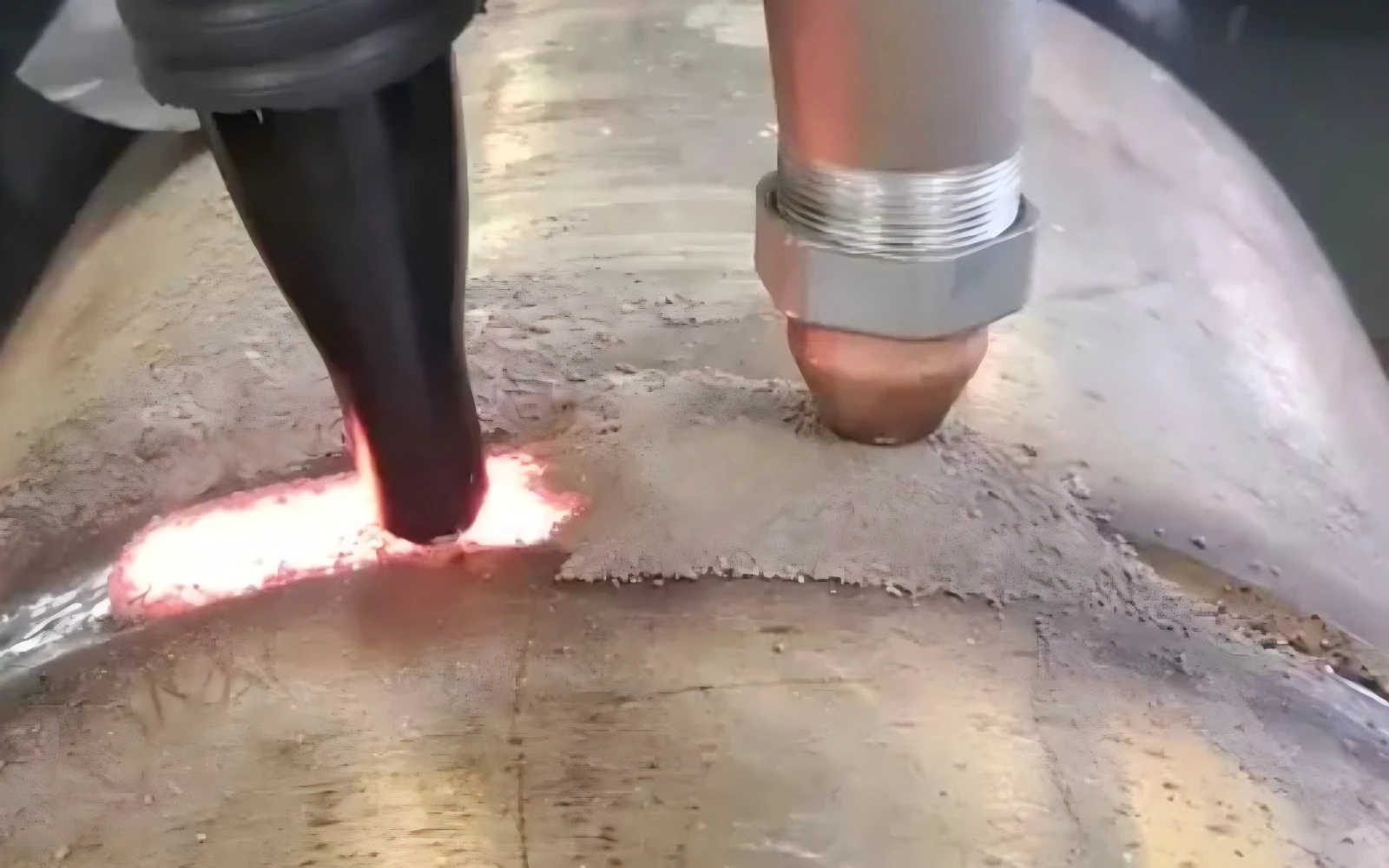
After the flux melts, it forms a protective slag layer and participates in metallurgical reactions, thereby influencing the chemical composition and mechanical properties of the deposited weld metal. Due to the complete shielding and concentration of the arc, submerged arc welding has extremely high welding deposition rate, deep penetration, excellent weld quality and low smoke emission. These inherent characteristics make it an ideal process for thick plate, large-scale and high-quality welding in many industries.
Core Characteristics That Define Its Applications
Before reviewing specific applications, it is necessary to understand the process features that determine where SAW excels.
First, SAW achieves very high deposition rates - typically three to five times higher than shielded metal arc welding - because multiple wires can be used simultaneously and high current densities are applied.
Second, the thick flux blanket provides excellent atmospheric shielding, producing welds with very low porosity, oxide inclusions and nitrogen pick‑up.
Third, the process generates deep and narrow penetration, allowing single‑pass welding of moderately thick plates and reducing the number of passes required for heavy sections.
Fourth, because the arc is submerged, there is almost no spatter, no open arc radiation and very low fume generation, improving working conditions and reducing post‑weld cleaning.
Fifth, SAW is inherently suitable for mechanised and automated operation, making it ideal for long straight seams, circumferential seams and repetitive production runs.
Finally, the slag that forms over the weld bead slows cooling and provides thermal insulation, promoting a refined microstructure and good toughness. Together, these properties make SAW particularly suited to long, straight or circular joints in thick steel plate, produced in a workshop or factory environment.
Principal Industrial Applications
2.1 Steel Pipe Manufacturing
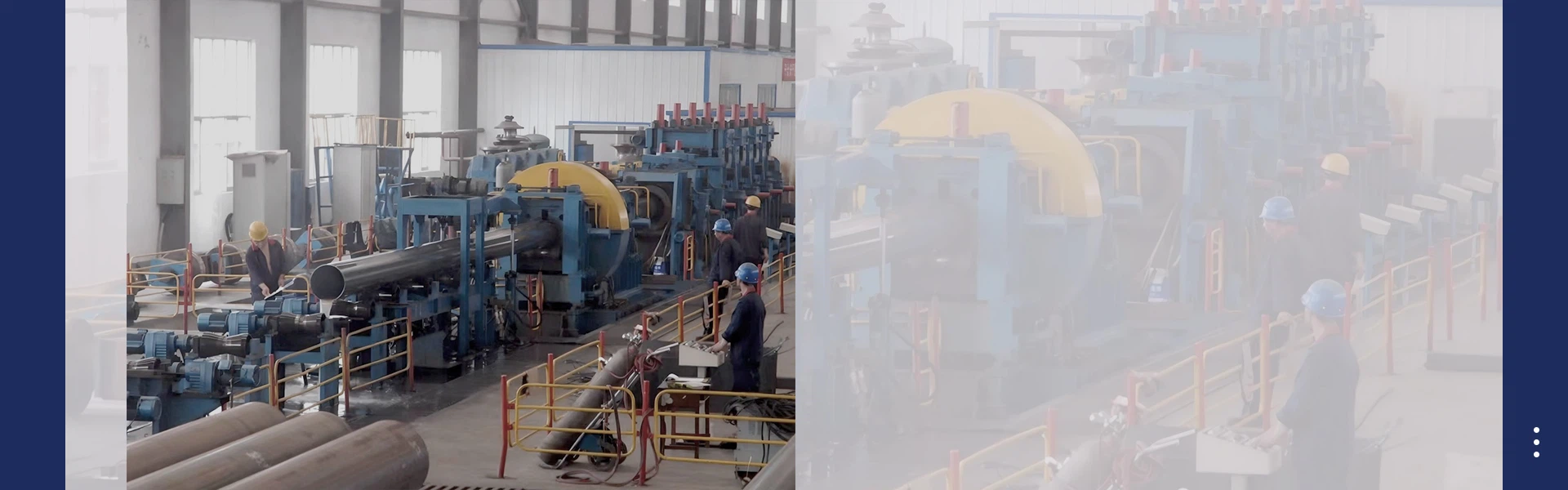
The single largest industrial application of submerged arc welding is the production of welded steel pipe, both longitudinal and spiral seam.
In longitudinal submerged arc welded (LSAW) pipe manufacture, steel plates are formed into a cylindrical shape and the straight seam is welded from inside and outside using SAW. The process is capable of welding wall thicknesses from approximately 6 mm up to more than 50 mm in a controlled number of passes, and it produces welds with consistent strength, toughness and pressure‑bearing performance.
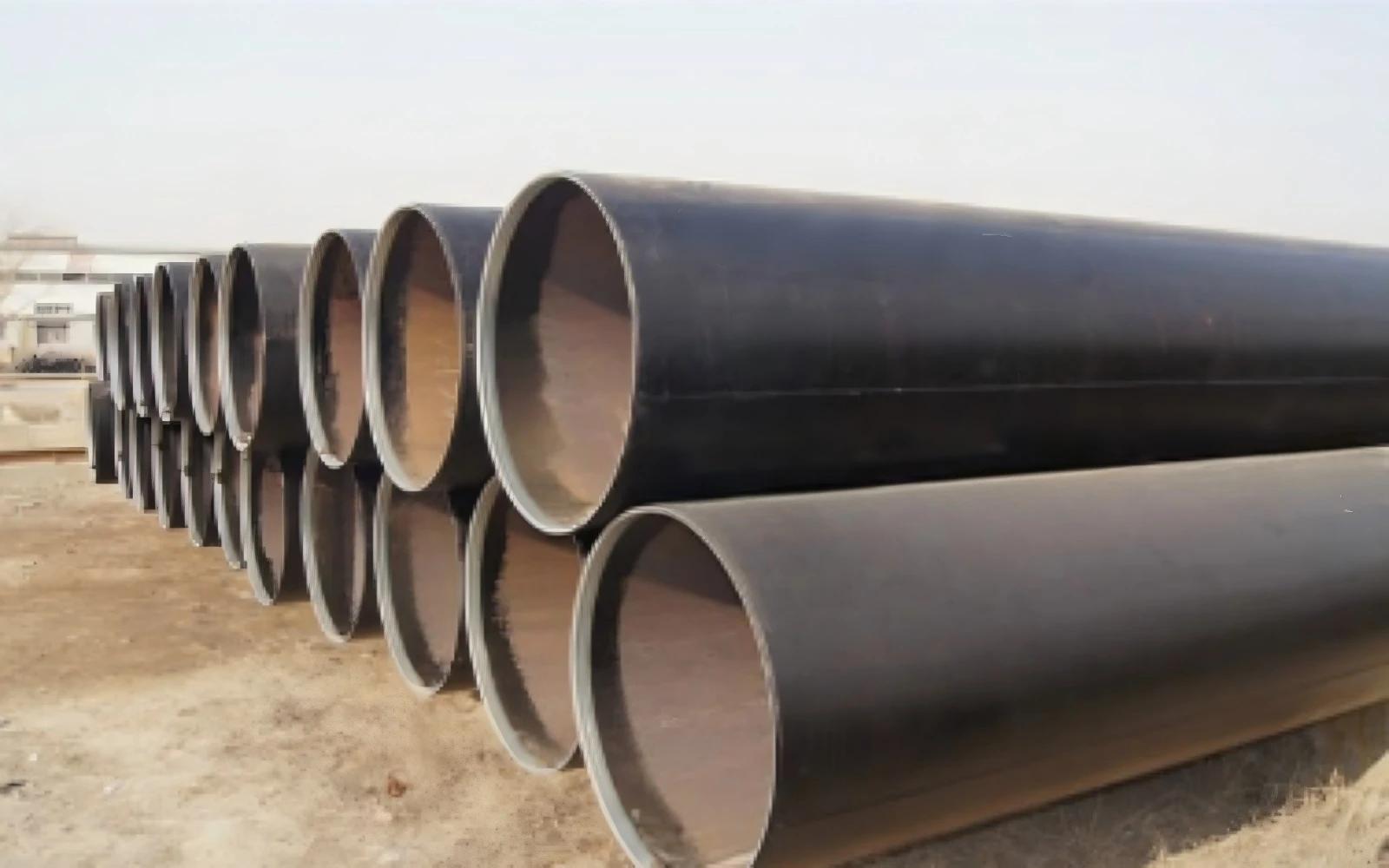
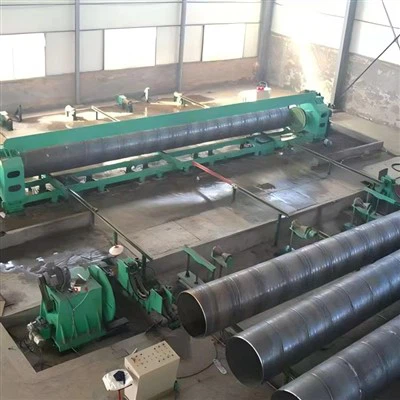
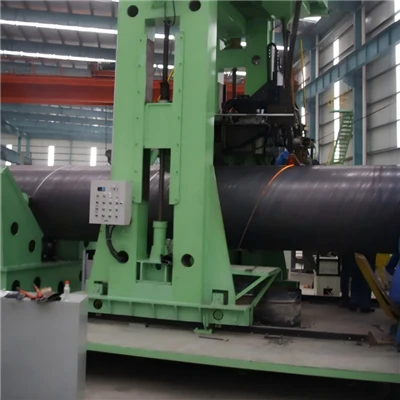
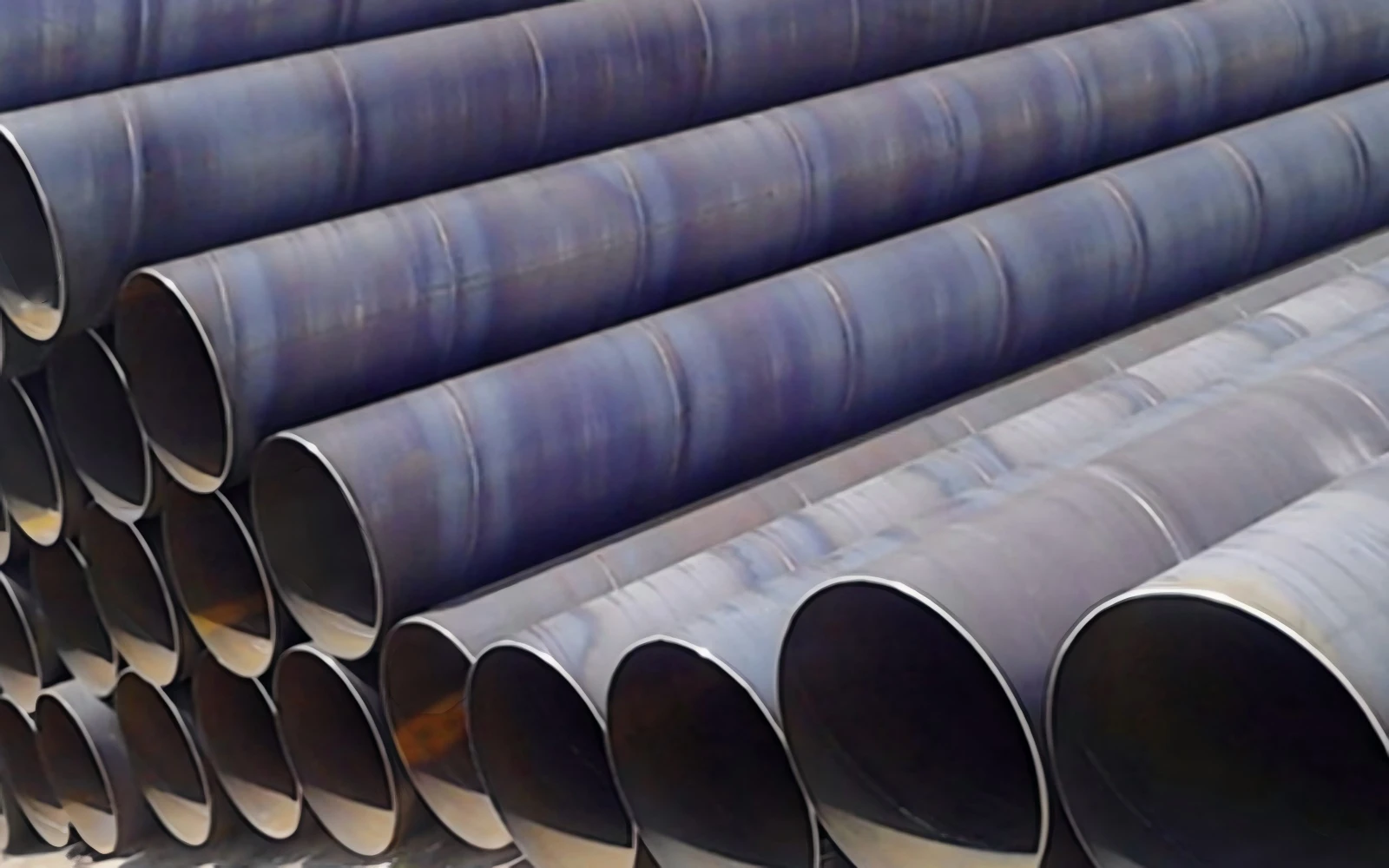
For spiral submerged arc welded (SSAW) pipe, the coil is fed at an angle into a forming station and the continuous helical seam is welded by SAW as the pipe is formed. SAW is preferred for pipe manufacture for several reasons: it can keep pace with continuous forming lines, it delivers the deep penetration needed for full wall‑thickness fusion, it produces smooth weld beads both internally and externally, and the weld quality is sufficiently reliable to satisfy international pipeline standards such as API 5L. Every major oil, gas and water transmission pipeline in the world relies on SAW‑welded pipe, making this application the cornerstone of SAW industrial usage.
2.2 Pressure Vessel and Boiler Fabrication
Pressure vessels, boilers, heat exchangers and storage tanks are another major application area. These components operate under internal pressure and often at elevated temperatures, so weld integrity is critical for safety.
SAW is used to weld the longitudinal and circumferential seams of cylindrical and spherical pressure shells made from carbon steel, low‑alloy steel and creep‑resistant steels. The deep penetration capability reduces the required number of passes on thick walls, and the slag‑protected slow cooling produces weld metal with good toughness and low residual stress. Because pressure‑vessel seams are typically long, straight or circular and produced under workshop conditions, they are well suited to mechanised SAW.
In boiler manufacturing, SAW is also used for tube‑panel welding and membrane wall fabrication. The ability to control weld chemistry through flux formulation allows manufacturers to match the high‑temperature strength and corrosion resistance required by boiler and pressure‑vessel codes such as ASME BPVC and EN 13445.
2.3 Shipbuilding and Offshore Engineering
Shipyards and offshore fabricators make extensive use of submerged arc welding for the assembly of hull plates, deck panels, bulkheads and structural stiffeners.
Modern ship construction relies on panel lines where large steel plates are joined into flat panels by automatic SAW gantries before being erected into three‑dimensional blocks. SAW's high deposition rate dramatically reduces welding time on long straight seams, and its low spatter level minimises post‑weld grinding and cleaning - an important benefit when large surface areas must be painted.
For offshore platforms, jackets and subsea structures, SAW is used for thick‑wall structural joints and circumferential welds on tubular members. The process is also applied in the fabrication of wind turbine foundations, monopiles and transition pieces, which combine large diameter, heavy wall thickness and high quality requirements. In all marine and offshore applications, the consistent toughness and fatigue resistance of SAW welds are essential for withstanding cyclic loading and harsh environmental conditions.
2.4 Bridge and Heavy Structural Steelwork
Large steel bridges, including box‑girder bridges, truss bridges and cable‑stayed bridge decks, frequently use SAW for the longitudinal welding of built‑up girders and flange‑to‑web joints.
These joints are long, straight and subjected to high static and dynamic loads, so deep penetration, uniform fusion and reliable fatigue performance are required. Mechanised SAW installations mounted on gantries or travelling carriages can weld plate girders of 20 m or more in a single pass, achieving far higher productivity than manual or semi‑automatic processes.
Similarly, in the fabrication of heavy building steelwork, stadium roofs and large spatial structures, SAW is used for shop‑welded splices and full‑penetration groove welds where quality and efficiency must be balanced. Because structural steelwork is normally fabricated in workshops under controlled conditions, it fits naturally with SAW's requirement for flat or gently inclined welding positions.
2.5 Heavy Machinery and Equipment Manufacturing
Manufacturers of mining equipment, cranes, excavators, rolling mills, press frames and heavy machine bases use SAW for thick‑plate structural welds and build‑up surfacing.
Where components are assembled from very thick steel plates - often 50 mm to 150 mm thick - multi‑pass SAW provides the most efficient method of filling deep grooves with sound, uniform weld metal. The process is also widely used for hardfacing and wear‑resistant overlay welding on components such as crusher rolls, mill liners and excavator buckets.
By using alloyed wires and agglomerated fluxes, engineers can deposit hard, abrasion‑resistant layers at high deposition rates, extending component service life. In heavy equipment manufacture, the combination of high productivity and excellent mechanical properties makes SAW the most economical process for heavy‑section welds.
2.6 Wind Energy and Renewable Energy Structures
The rapid growth of onshore and offshore wind power has created a major new application for submerged arc welding.
Wind turbine towers, monopiles, jackets and transition pieces are essentially large‑diameter, thick‑walled tubular structures manufactured from rolled steel plate. Both the longitudinal seam of each can section and the circumferential seams between can sections are typically welded by SAW.
The process is preferred because it can handle the large diameters and heavy wall thicknesses involved, it delivers the high fatigue strength required by dynamic wind loads, and it is compatible with automated production lines that produce towers in high volumes. As offshore wind turbines continue to grow in size, with foundation diameters exceeding 10 metres and wall thicknesses exceeding 100 mm, SAW remains the most productive and reliable joining method available. The same is true for solar tracker structures and concentrated solar power receivers where long straight welds are required.
Specialised SAW Variants and Their Uses
Beyond conventional single‑wire SAW, several specialised variants extend the range of applications.
Twin‑wire and tandem SAW use two or more electrodes fed through a single welding head, dramatically increasing deposition rate and travel speed; these variants dominate high‑speed pipe mill and ship panel lines. Triple‑wire and multi‑wire systems are used for ultra‑high‑productivity welding of very thick plates.
Narrow‑gap SAW employs a narrow rectangular groove and specially designed torches to reduce weld volume and distortion on heavy sections. Strip‑clad SAW, or strip surfacing, uses a wide metal strip instead of a wire to deposit corrosion‑resistant or wear‑resistant overlay layers on the inner surfaces of pressure vessels, reactor vessels and chemical equipment; this is a standard process in the petrochemical and nuclear industries.
Each of these variants preserves the core advantages of SAW - deep penetration, good shielding and high deposition - while tailoring the process to a specific product geometry or performance requirement.
Technical Advantages That Drive Adoption
Several key advantages explain why submerged arc welding is selected across so many heavy industries.
Economically, its very high deposition rate reduces welding time and labour cost, especially on long joints and thick sections. Quality‑wise, the flux blanket provides exceptionally clean shielding, resulting in welds with very low defect rates and consistent mechanical properties.
Environmentally and in terms of operator comfort, the absence of open arc radiation and the low level of fume and spatter improve working conditions and reduce protective‑equipment requirements. Technically, SAW offers excellent control over weld chemistry and microstructure through flux selection, allowing precise matching to base‑material properties.
Operationally, the process is easily mechanised and automated, making it compatible with modern digital factories and Industry 4.0 production concepts. For these reasons, wherever long, straight or circumferential thick‑plate welds must be produced in quantity with consistent high quality, SAW is almost always the most competitive solution.
Limitations and Application Boundaries
Despite its strengths, SAW has limitations that define where it is not suitable.
It is essentially a flat‑position or horizontal‑circumferential process; it cannot easily be applied in vertical or overhead positions. It requires a relatively large volume of flux and equipment, so it is not portable and is rarely used for on‑site construction welding.
The process is most efficient on long continuous seams; short, irregular or curved joints generally do not justify SAW set‑up. Very thin materials are also unsuitable because the high heat input and deep penetration risk burn‑through. In addition, the flux must be kept dry to avoid hydrogen‑induced cracking, and the slag must be removed between passes and after welding.
These constraints explain why SAW dominates workshop‑based heavy fabrication but is seldom used for field construction, repair work or thin‑sheet assembly.