When it comes to the use of tube rolling dies, safety precautions are of paramount importance. As a trusted supplier of tube rolling dies, I understand the significance of ensuring that our customers are well - informed about the safety measures associated with these tools. This article will explore the various safety precautions one should take when using tube rolling dies.
Understanding Tube Rolling Dies
Tube rolling dies are essential tools in the metalworking industry, used to form tubes and pipes into desired shapes and sizes. They are typically made from high - strength materials such as tool steel or carbide to withstand the high pressures and forces involved in the rolling process. These dies work by compressing and shaping the metal tube between a set of dies, achieving the required profile for different applications, from automotive parts to industrial pipelines.
General Safety Precautions
Personal Protective Equipment (PPE)
One of the most fundamental safety measures is the proper use of personal protective equipment. Operators should always wear safety glasses to protect their eyes from flying metal chips and debris that can be generated during the tube rolling process. Additionally, ear protection is necessary, as the rolling machinery can produce high - decibel noise levels over long periods, which may lead to hearing damage. Gloves made of cut - resistant materials should be worn to protect the hands from sharp edges on the tubes and dies. Heavy - duty work boots with steel toes are also recommended to prevent foot injuries from any accidental dropping of tools or tubes.
Machine Inspection
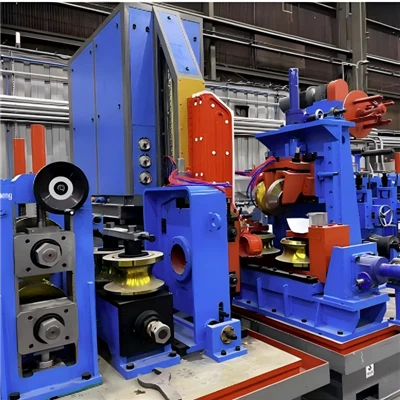
Before starting any operation with tube rolling dies, a thorough inspection of the rolling machine is crucial. Check for loose bolts, damaged belts, or any signs of wear and tear on the machine components. Ensure that the electrical connections are secure and that there are no exposed wires that could pose an electrical hazard. The lubrication system of the machine should also be inspected to guarantee proper functioning and to prevent overheating of the dies and the machine itself.
Training
Proper training is a must for all operators using tube rolling dies. Operators should be trained on the correct operation of the rolling machine, including how to load and unload the tubes, adjust the dies, and set the appropriate rolling parameters. They should also be educated on emergency procedures, such as how to stop the machine in case of an accident or malfunction. Training should be ongoing, as new techniques and safety standards are constantly being developed.
Safety Precautions During Die Installation and Removal
Die Handling
When handling tube rolling dies, extreme caution should be exercised. Dies are often heavy and can cause serious injuries if dropped. Use appropriate lifting equipment, such as hoists or forklifts, to move the dies. Ensure that the lifting equipment is in good working condition and that the load is properly balanced.


Installation Process
During the installation of the dies, make sure that they are correctly aligned with the machine. Incorrect alignment can lead to uneven pressure distribution on the tube, resulting in poor quality products and potential damage to the dies and the machine. Follow the manufacturer's instructions carefully when tightening the die - holding bolts to the specified torque. This will ensure that the dies are securely held in place during the rolling process.
Removal Process
When removing the dies, first, ensure that the machine is turned off and that all power sources are disconnected. Use the proper tools to loosen the die - holding bolts. Be aware that the dies may still be hot after use, so use heat - resistant gloves to handle them. After removal, clean the dies thoroughly and store them in a dry and secure place to prevent corrosion and damage.
Safety Precautions During the Rolling Process
Tube Loading and Unloading
When loading tubes into the rolling machine, make sure that they are properly centered and aligned. Incorrect loading can cause the tube to jam in the dies, which may lead to machine malfunction or even injury. Use appropriate tube - handling equipment, such as conveyors or tube racks, to ensure a smooth loading process. When unloading the finished tubes, be careful not to get caught between the moving parts of the machine.
Monitoring the Rolling Process
It is important to monitor the rolling process continuously. Check the temperature of the dies regularly, as overheating can cause the dies to wear out prematurely or even crack. Monitor the pressure being applied to the tubes, and make adjustments as necessary. If any abnormal noises or vibrations are detected during the rolling process, stop the machine immediately and investigate the cause.
Emergency Stop Procedures
All operators should be familiar with the emergency stop procedures of the rolling machine. The emergency stop button should be easily accessible and clearly marked. In case of any emergency, such as a fire, a jam in the machine, or an injury to the operator, the emergency stop button should be pressed immediately to halt all machine operations.
Importance of Maintenance
Die Maintenance
Regular maintenance of tube rolling dies is essential for both safety and performance. Clean the dies after each use to remove any metal chips and debris. Inspect the dies for signs of wear, such as cracks or excessive abrasion. If any damage is detected, the dies should be repaired or replaced immediately. Proper lubrication of the dies is also crucial to reduce friction and heat generation during the rolling process.
Machine Maintenance
The rolling machine should also undergo regular maintenance. This includes checking and replacing worn - out parts, such as belts, bearings, and gears. The electrical system should be inspected for any faults, and the lubrication system should be maintained to ensure proper functioning of the machine. Regular maintenance not only ensures the safety of the operators but also extends the lifespan of the machine and the dies.
Related Products and Their Significance
In the context of tube production, there are several related products that play important roles. For example, Submerged Arc Welding Wire is used in the welding process of tubes, providing a strong and reliable weld. Scarfing Insert helps in removing surface imperfections on the tubes, improving the overall quality. Submerged Arc Wire is another essential material for submerged arc welding, ensuring high - quality welds. Propeller Shaft With Universal Joints can be used in the machinery related to tube production, providing smooth power transmission. Hydraulic O Ring Seals are crucial for preventing leakage in hydraulic systems of the tube - rolling machinery.
Contact for Further Discussion
If you are interested in our tube rolling dies or have any questions regarding safety precautions or other aspects, we encourage you to reach out for a detailed discussion. Our team of experts is ready to assist you with your purchase and provide all the necessary information and support.