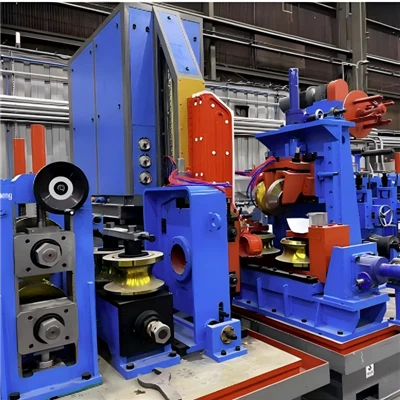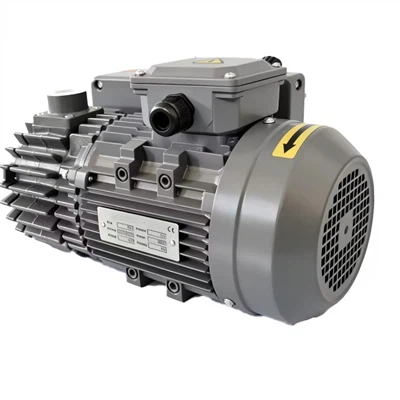
As a supplier of Scarfing Inserts, I understand the importance of proper storage for these essential pipe production materials. Scarfing Inserts play a crucial role in the manufacturing process, and their quality can be significantly affected by how they are stored. In this blog post, I will share some scientific and practical tips on how to store Scarfing Inserts properly.
1. Understanding the Characteristics of Scarfing Inserts
Before delving into storage methods, it's essential to understand the nature of Scarfing Inserts. Scarfing Inserts are typically made of high - quality materials designed to withstand high temperatures and mechanical stress during the pipe production process. They are often precision - engineered components, and any damage or degradation can lead to sub - optimal performance in the production line.
2. Choosing the Right Storage Environment
Temperature and Humidity Control
The storage environment should have a stable temperature and humidity level. Extreme temperatures can cause the materials of the Scarfing Inserts to expand or contract, which may lead to cracks or deformation. High humidity can cause corrosion, especially if the inserts are made of metal. A recommended temperature range is between 10°C and 30°C, and the relative humidity should be kept below 60%. For example, if the storage area is in a warehouse, it may be necessary to install a climate - control system to maintain these conditions.
Clean and Dust - Free Space
The storage area should be clean and free of dust. Dust particles can accumulate on the surface of the Scarfing Inserts, which may affect their performance. A clean environment can be maintained by regular cleaning of the storage shelves and floors. It's also advisable to use dust - covers or sealed containers to protect the inserts from dust.
3. Storage Containers
Sealed Containers
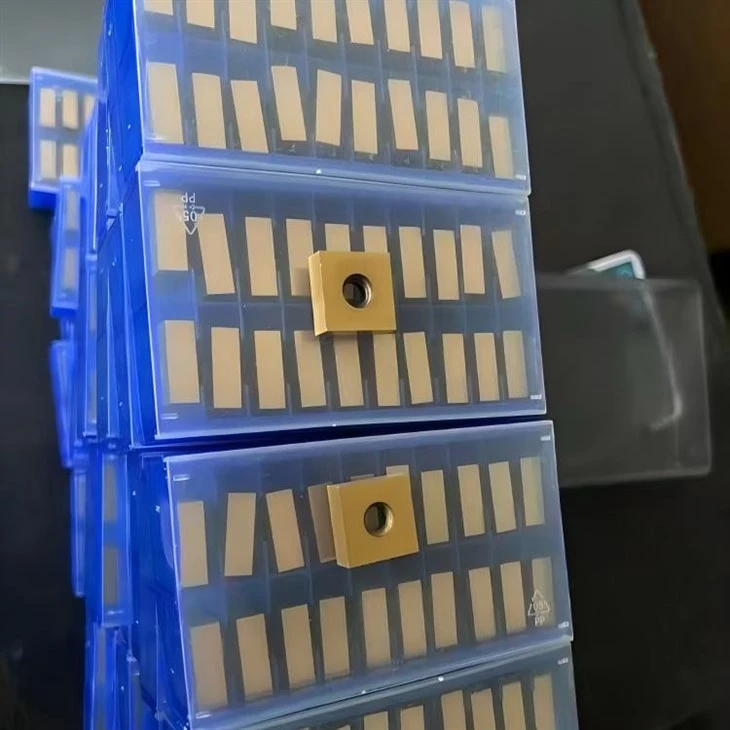
Using sealed containers is an effective way to protect Scarfing Inserts. Sealed containers can prevent dust, moisture, and other contaminants from reaching the inserts. They also provide a physical barrier against accidental damage. For example, plastic or metal containers with tight - fitting lids can be used. Make sure to label the containers clearly with information such as the type of Scarfing Inserts, batch number, and date of storage.
Shelving and Racking
Proper shelving and racking systems are necessary to organize the storage of Scarfing Inserts. The shelves should be sturdy enough to support the weight of the inserts. They should also be arranged in a way that allows easy access to the inserts. For example, using adjustable shelves can help optimize the storage space according to the size and quantity of the inserts.
4. Handling During Storage
Avoiding Physical Damage
When handling Scarfing Inserts during storage, it's crucial to avoid physical damage. Rough handling can cause scratches, dents, or other forms of damage to the inserts. Use appropriate tools such as gloves and tongs when moving the inserts. Also, make sure to place the inserts carefully on the shelves or in the containers to prevent them from colliding with each other.
Stacking Considerations
If stacking Scarfing Inserts, it's important to stack them in a stable and secure manner. Avoid over - stacking, as this can put excessive pressure on the bottom inserts and cause damage. Make sure that the inserts are stacked in a way that their weight is evenly distributed.
5. Regular Inspection
Regular inspection of the stored Scarfing Inserts is essential. Check for any signs of damage, corrosion, or degradation. Inspect the containers and shelves for any signs of wear or damage as well. If any issues are found, take appropriate measures such as replacing damaged containers or treating the inserts to prevent further deterioration.
6. Compatibility with Other Materials
When storing Scarfing Inserts, it's important to consider their compatibility with other materials in the storage area. For example, avoid storing them near materials that may release corrosive substances or chemicals. Also, make sure to separate different types of inserts to prevent cross - contamination.
7. Related Products and Their Storage
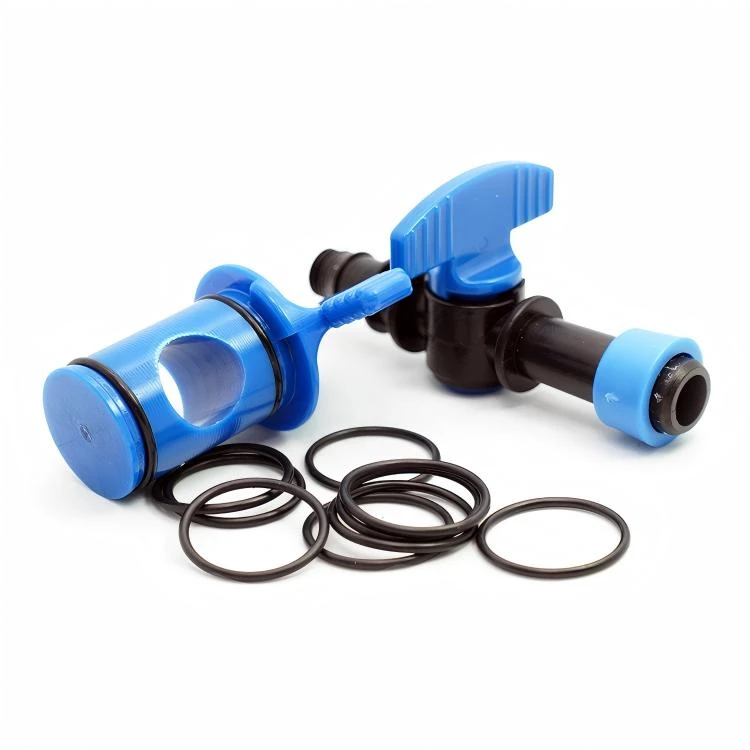
In addition to Scarfing Inserts, there are other related products in the pipe production materials category. For example, Hydraulic O Ring Seals are also important components. These seals should be stored in a similar environment with proper temperature and humidity control. They should be protected from sunlight and ozone, which can cause the rubber materials to degrade.
Another related product is Screws Grade 8.8. Screws should be stored in a dry place to prevent rusting. They can be stored in small containers or boxes, and it's important to label them according to their size and grade.
8. Importance of Proper Storage for Business
Proper storage of Scarfing Inserts is not only important for maintaining their quality but also for the overall business. By ensuring that the inserts are stored properly, you can reduce the risk of product failure, which can lead to production delays and increased costs. It also helps to build a good reputation for your business, as customers will trust that you are providing high - quality products.
9. Contact for Purchase and Consultation
If you are interested in purchasing Scarfing Inserts or need more information about their storage and usage, please feel free to contact us. We are committed to providing high - quality products and professional advice to meet your needs.