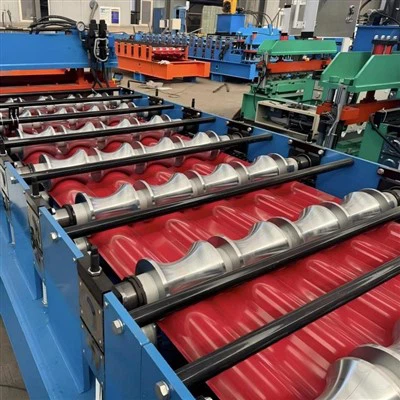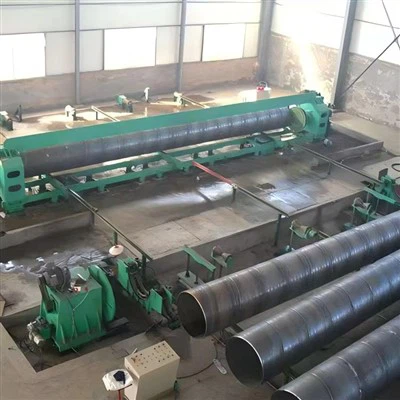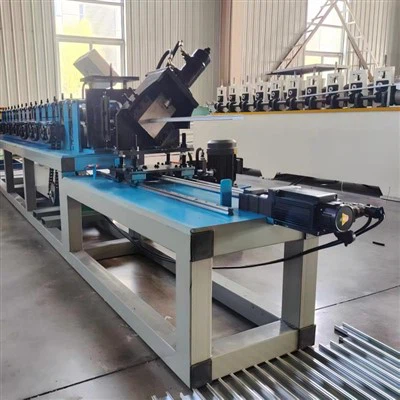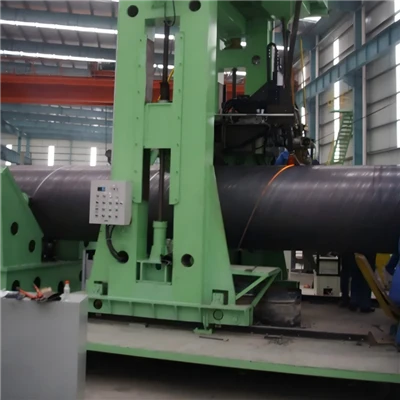
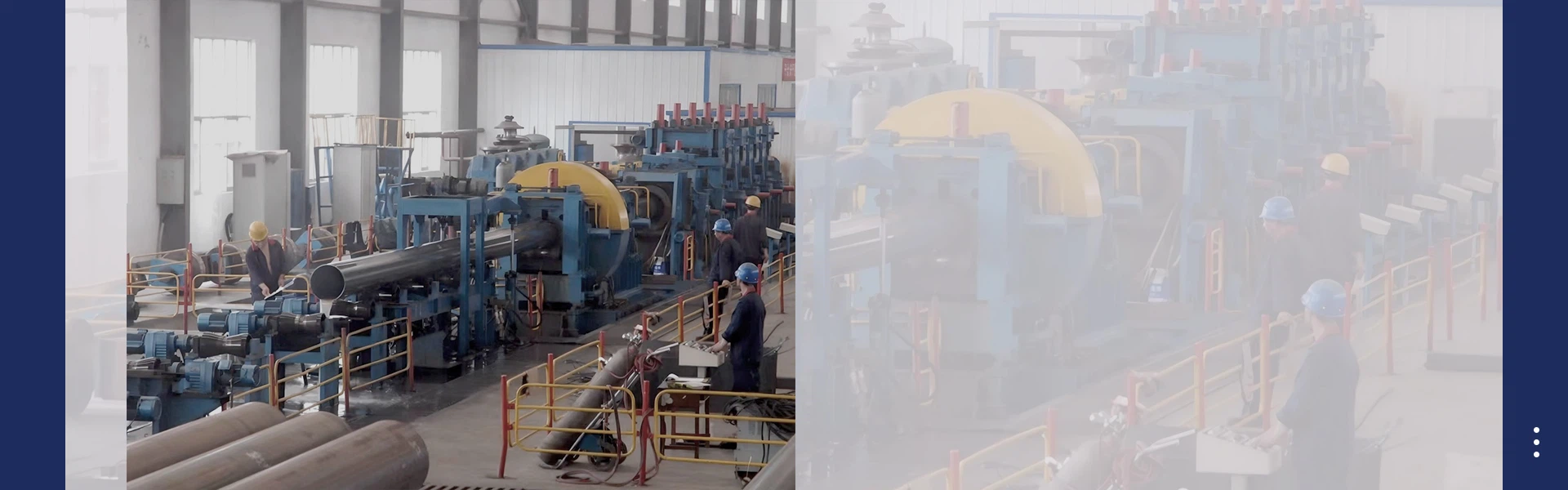

A Light Keel Making Machine is a roll forming machine designed to manufacture lightweight steel keels used in ceilings, partition systems, wall framing, and other lightweight construction applications. The machine takes galvanized steel or other suitable metal strips from a coil and continuously forms them into the required keel profile.
Unlike traditional fabrication methods that require individual cutting and bending operations, a roll forming system performs the forming process continuously. The steel strip passes through a series of specially designed rollers, with each station gradually changing the flat strip into the final keel shape.
Light steel keels are commonly used because they are lightweight, dimensionally consistent, easy to install, and suitable for modern interior construction. A properly designed Light Gauge Steel Keel Machine helps manufacturers produce large quantities of these profiles with consistent dimensions and stable quality.
What Is a Light Keel?
A light keel is a thin-gauge steel framing profile used as a supporting or structural component in lightweight ceiling and partition systems. Depending on its application, the profile can have different shapes, widths, heights, and reinforcement features.
Common products include ceiling channels, main channels, furring channels, wall studs, tracks, and other related lightweight steel profiles.
The steel is generally supplied in coil form and formed continuously into the required cross-sectional shape.
How Does a Light Keel Making Machine Work?
The working process of a Light Keel Making Machine generally starts with loading a steel coil onto the uncoiler. The strip is then guided into the forming section.
The forming rollers gradually bend the flat strip through multiple stages. Each roller station performs a small amount of deformation, allowing the machine to achieve the final profile without excessive stress on the material.
After the profile has been completely formed, the cutting system cuts the continuous section into predetermined lengths.
The general production sequence is:
Steel Coil → Uncoiling → Straightening → Guiding → Roll Forming → Punching → Cutting → Finished Keel
Not every machine requires punching, and the exact sequence depends on the product design.

Main Components of a Light Keel Production Line
A complete Steel Keel Production Line consists of several coordinated sections. The configuration depends on the keel profile, material thickness, coil width, production speed, and required automation level.
|
Machine Section |
Main Function |
|
Decoiler/Uncoiler |
Holds and unwinds the steel coil |
|
Straightening unit |
Corrects strip shape before forming |
|
Feeding system |
Sends material into the forming section |
|
Guide system |
Maintains strip alignment |
|
Punching unit |
Creates holes or slots when required |
|
Roll forming machine |
Forms the steel into the keel profile |
|
Cutting system |
Cuts the formed keel to length |
|
Run-out table |
Supports finished products |
|
PLC control system |
Controls the production process |
Uncoiler for Steel Keel Production
The uncoiler is the first major section of the production line. It holds the steel coil and releases the strip at a controlled rate.
For light keel production, coils are normally relatively narrow and thin compared with coils used for heavy structural profiles. The uncoiler must nevertheless provide stable feeding because variations in strip tension can affect the forming process.
Depending on production requirements, the machine can use a manual or hydraulic expansion system. Automatic coil loading can also be incorporated into more advanced production lines.
Roll Forming Section
The roll forming section is the heart of the machine. It consists of multiple forming stations arranged in sequence.
The first stations begin bending the flat steel strip. Subsequent stations progressively increase the profile shape until the desired keel cross-section is achieved.
The forming rolls must be accurately manufactured and aligned. Incorrect roll design or alignment can result in profile deformation, twisting, dimensional variation, or surface marks.
For this reason, the roll design should be developed specifically for the required keel profile and material.
Punching System
Some light keel profiles require holes or slots for installation, connection, or adjustment. These holes can be produced automatically during the roll forming process.
A punching unit can be installed before or within the forming line, depending on the product design and production requirements.
For example, a partition stud may require repeated holes along its length. An automated punching system can produce these openings at predetermined intervals while the steel strip moves through the line.
The punching position must be synchronized with the material movement to maintain accurate hole spacing.
Cutting System
After forming, the continuous keel profile is cut into individual pieces. The cutting system can be configured for different finished lengths.
For example, a manufacturer may produce keels in lengths such as:
- 2,000 mm
- 2,400 mm
- 2,700 mm
- 3,000 mm
- 4,000 mm
Other customized lengths
The actual cutting range depends on the machine configuration and customer requirements.

Typical Material Thickness
Light keels are generally produced from relatively thin steel strip. Depending on the product and application, a machine may be designed for approximately 0.4–1.2 mm material.
Some machines can cover a narrower range such as 0.5–0.8 mm, while heavier-duty profile systems may accommodate material approaching 1.5 mm.
|
Application |
Approximate Thickness |
|
Light ceiling profiles |
0.4–0.8 mm |
|
Standard light keels |
0.5–1.0 mm |
|
Heavier framing profiles |
0.8–1.2 mm |
|
Special profiles |
Up to around 1.5 mm |
The actual thickness capability must be determined according to the profile, steel grade, yield strength, and machine design.
Typical Strip Width
The required input-strip width depends on the final keel profile. Because different profiles require different developed widths, the machine cannot be selected based only on the finished profile width.
For example, a machine producing a narrow ceiling channel may require a strip width of approximately 50–100 mm, while larger wall framing profiles may require significantly wider strips.
Therefore, the manufacturer should calculate the developed width of the profile before designing the roll forming system.
Typical Production Speed
Production speed depends on profile complexity, material thickness, punching requirements, cutting length, and automation.
A typical light keel roll forming machine may operate at approximately 20–60 m/min, while specialized high-speed systems can operate at higher speeds under suitable conditions.
Punching and cutting operations can influence the effective production rate. A machine's maximum forming speed should therefore not be considered separately from its punching and cutting cycle.
Galvanized Steel for Light Keels
Galvanized steel is commonly used for light keel production because the zinc coating provides corrosion protection to the underlying steel.
The coating can also make the finished profile suitable for indoor construction environments where long-term resistance to moisture and oxidation is required.
However, roll forming galvanized steel requires careful control. Excessive pressure, incorrect roll clearance, or damaged tooling can mark the zinc coating.
Maintaining proper roll alignment is therefore important for both dimensional quality and surface appearance.
Importance of Roll Design
Roll tooling determines the final shape and dimensional accuracy of the keel. Each roll station should introduce a controlled amount of deformation.
If too much forming is performed in one station, the material can experience excessive stress. If the forming sequence is poorly designed, the profile may develop twisting, bowing, or uneven flanges.
A well-designed roll forming system distributes the deformation across multiple stations.
The roll material and surface finish are also important, particularly when processing pre-coated or galvanized steel.
Importance of Material Alignment
Accurate strip alignment is essential throughout the production line. If the material enters the forming rolls at an angle, the finished keel may twist or move sideways.
Side guides help maintain the correct position of the strip before it enters the forming stations.
During commissioning and operation, operators should check that the strip remains centered and that the rolls are properly aligned.
PLC and Automatic Control
Modern Light Gauge Steel Keel Machines commonly use PLC-based control systems to coordinate the production process.
The operator can typically enter parameters such as:
- Product length
- Production quantity
- Punching distance
- Line speed
- Cutting settings
- Product selection
The PLC receives signals from sensors and encoders and coordinates feeding, punching, forming, and cutting operations.
An HMI touchscreen can provide information about machine status, production quantity, alarms, and operating parameters.
Automatic Length Control
Accurate length control is particularly important because construction projects often require keels with standardized dimensions.
An encoder measures the movement of the steel strip and communicates the position to the control system. When the programmed length is reached, the cutting system is activated.
Consistent measurement and synchronization help minimize length variation and reduce material waste.

Advantages of a Light Keel Making Machine
A Light Keel Making Machine offers several advantages over manual profile fabrication.
Continuous Production: The machine can continuously form steel strip into finished profiles.
Consistent Dimensions: Properly designed roll tooling provides repeatable profile dimensions.
High Productivity: Automated forming and cutting allow manufacturers to produce large quantities efficiently.
Reduced Labor: Operators do not need to manually bend and cut every individual profile.
Flexible Lengths: Automatic cutting allows different finished lengths to be programmed.
Integrated Punching: Required holes and slots can be incorporated into the production process.
Efficient Material Use: Accurate forming and cutting can help reduce unnecessary waste.
Common Light Keel Profiles
Different construction systems require different keel profiles. The roll forming machine can be designed around the required cross-sectional shape.
Common categories include:
|
Profile Type |
Typical Use |
|
Ceiling channel |
Suspended ceiling systems |
|
Main channel |
Ceiling framework |
|
Furring channel |
Ceiling and wall support |
|
Stud |
Partition and wall framing |
|
Track |
Connection between studs |
|
U-channel |
Framing and support applications |
|
Customized profile |
Special construction systems |
The machine tooling must be customized according to the exact profile drawing.
Quality Control During Production
Quality control should be carried out throughout the production process. Finished keels should be checked for profile dimensions, straightness, length, hole position, surface condition, and cutting quality.
Important inspection points include:
|
Quality Check |
Purpose |
|
Profile width |
Verify dimensional accuracy |
|
Profile height |
Confirm required section |
|
Flange dimensions |
Ensure correct assembly |
|
Length |
Check cutting accuracy |
|
Hole position |
Verify punching accuracy |
|
Straightness |
Prevent installation problems |
|
Surface condition |
Detect coating or tooling damage |
|
Cutting edge |
Check for excessive burrs |
Regular inspection can help identify forming or tooling problems before large quantities of defective profiles are produced.
Common Problems During Light Keel Production
Several problems can occur during roll forming.
Profile twisting can result from improper roll alignment or uneven forming. Dimensional variation may be caused by incorrect tooling or material thickness variation. Surface scratches can occur when the rolls are damaged or contaminated.
Punching errors may occur if the encoder or punching synchronization is incorrectly configured. Cutting problems can result from worn blades or incorrect cutting parameters.
|
Problem |
Possible Cause |
|
Profile twisting |
Roll misalignment |
|
Uneven dimensions |
Incorrect roll adjustment |
|
Surface scratches |
Damaged or contaminated rolls |
|
Hole-position errors |
Incorrect synchronization |
|
Excessive burrs |
Worn cutting tools |
|
Material wandering |
Poor strip guiding |
|
Profile deformation |
Incorrect forming sequence |
Machine Maintenance
Regular maintenance is necessary to keep the production line operating reliably. Forming rolls should be inspected and cleaned regularly. Bearings and transmission components should be lubricated according to the manufacturer's maintenance schedule.
Cutting blades should be inspected for wear, while punching tools should be checked for damage and correct clearance.
Electrical components, sensors, PLC systems, and the HMI should also be maintained. Hydraulic components should be inspected for leakage when hydraulic equipment is used.
How to Choose a Light Keel Making Machine
Before purchasing a Light Keel Making Machine, manufacturers should clearly define the required product specifications and production capacity. Important factors include the profile drawing, steel grade, material thickness, coil width, coil weight, required production speed, finished length, punching requirements, cutting method, automation level, number of profiles, tooling requirements, and available factory space. The profile drawing is particularly important because the roll tooling must be designed according to the exact cross-sectional shape of the keel. The material thickness and steel grade also determine the required forming force, roller design, and machine configuration. Manufacturers should consider the required production speed and finished product length to ensure the machine can meet output targets efficiently. If punching holes or other patterns are required, the machine should include a suitable automatic punching system. The cutting method and automation level should also match the production volume and operating requirements. For factories producing multiple keel profiles, interchangeable tooling or a multi-profile configuration may provide greater flexibility. By evaluating these factors carefully, manufacturers can select a machine that provides stable production, accurate profiles, efficient operation, and long-term value.
Summary
A Light Keel Making Machine is a specialized roll forming system for continuously producing lightweight steel framing profiles used in ceiling, partition, wall, and other construction applications. The machine transforms galvanized or other suitable steel coil into finished profiles through a controlled sequence of feeding, roll forming, punching, and cutting.
Typical machines may process approximately 0.4–1.2 mm steel strip and operate at around 20–60 m/min, while the exact specifications depend on the profile, material grade, production requirements, and machine configuration. Finished lengths can commonly be programmed for applications such as 2,000–4,000 mm, with customized lengths also possible.
The quality of the finished keel depends on the entire production system, including the uncoiler, strip guiding, roll tooling, punching system, cutting equipment, and PLC control. Proper roll design and alignment are especially important for maintaining accurate dimensions and preventing twisting or deformation.
With suitable machine design, accurate tooling, automated control, and regular maintenance, a Steel Keel Production Line can provide consistent profiles, high production efficiency, reduced labor requirements, and reliable output for modern lightweight construction manufacturing.