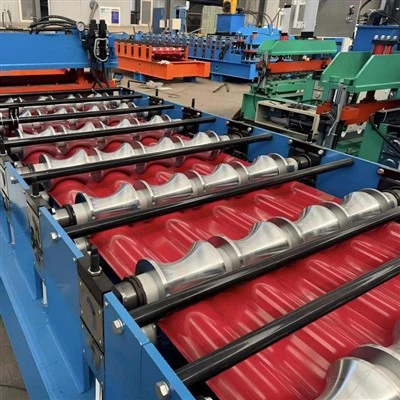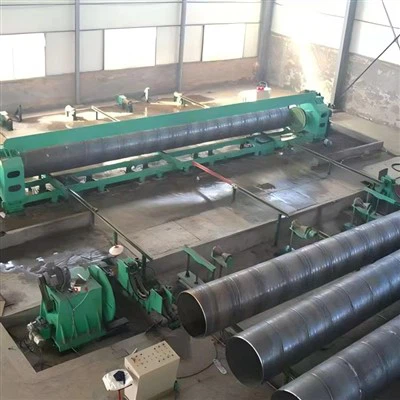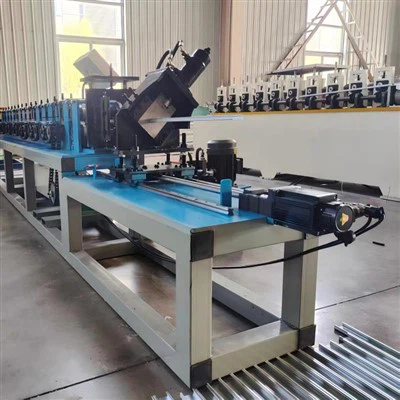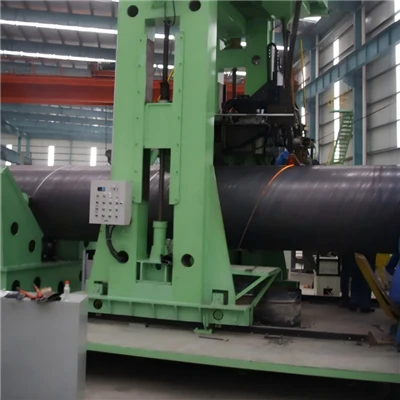
ERW Steel Pipe Production Line
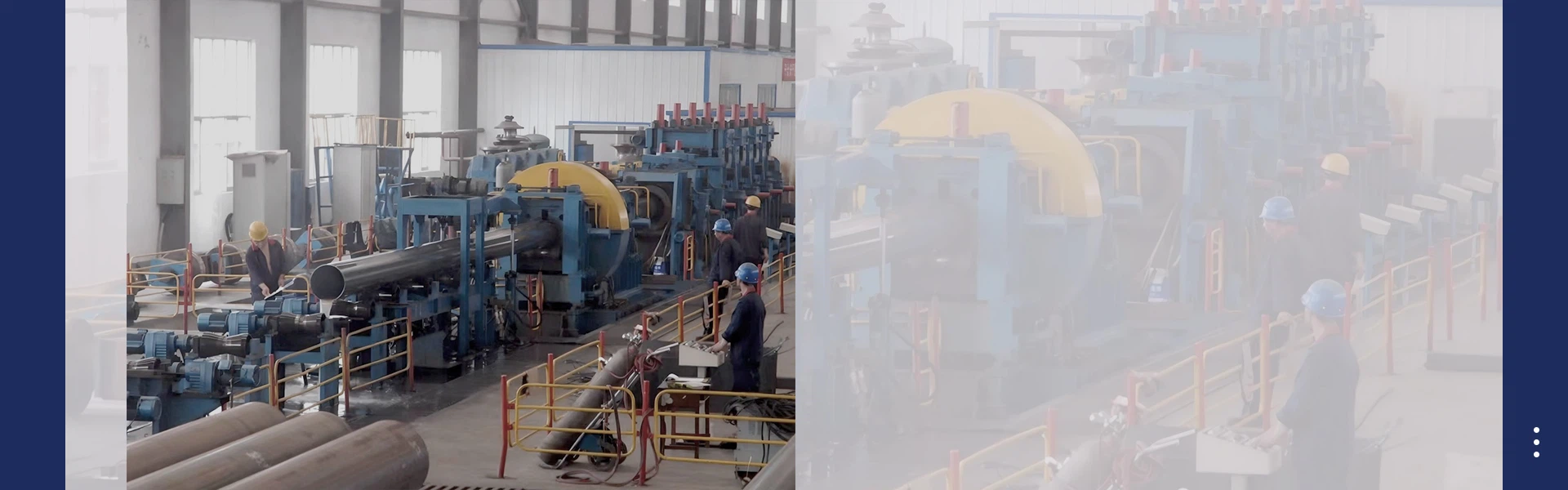
A high-frequency ERW tube mill continuously forms steel strip into a tubular profile and joins the longitudinal edges using high-frequency electrical resistance welding. The line can include forming, welding, weld bead removal, cooling, sizing, cutting, inspection, and tube handling sections.
-
![Heavy-Duty ERW Pipe Mill]() Heavy-Duty ERW Pipe MillA heavy-duty ERW pipe mill converts steel strip or coil into welded round, square, and rectangular steel tubes through continuous forming, high-frequency welding, sizing, cutting, and finishing.view more
-
![Structural Pipe Welding Machine Line]() Structural Pipe Welding Machine LineA Structural Pipe Welding Machine Line is a continuous high-frequency ERW/HFW production system for manufacturing round, square, and rectangular structural steel tubes from steel strip or coil. The line integrates forming,...view more
-
![Precision ERW Tube Production Equipment]() Precision ERW Tube Production EquipmentThe ERW tube production line converts steel strip or coil into welded steel tubes through continuous forming, high-frequency welding, sizing, and cutting.view more
-
![Industrial ERW Pipe Manufacturing Plant]() Industrial ERW Pipe Manufacturing PlantAn Industrial ERW Pipe Manufacturing Plant is a continuous production system that converts steel strip coils into longitudinally welded round, square, and rectangular tubes. The complete line can integrate coil preparation, roll...view more
-
![Carbon Steel Pipe Making Machine]() Carbon Steel Pipe Making MachineA carbon steel ERW pipe making machine converts steel strip or coil into welded round, square, and rectangular tubes through continuous forming, high-frequency welding, sizing, and cutting.view more
-
![High-Frequency ERW Steel Tube Mill]() High-Frequency ERW Steel Tube MillConfigurable for round tubes as well as square and rectangular hollow sections, subject to the selected tooling and production range.view more


Key Parameters for ERW Mill Selection
Pipe Diameter and Wall Thickness
Finished OD and wall thickness determine the forming mill configuration, roll tooling, welding requirements, drive load, and cutting system capacity.
Steel Grade and Strip Properties
Yield strength, tensile strength, chemical composition, strip width, and material thickness should be confirmed before equipment selection because they affect forming and welding conditions.
Production Capacity
Specify the required output by product size rather than relying only on the maximum line speed. Actual production speed can vary with pipe diameter, wall thickness, steel grade, and welding conditions.
Product Shape
Round tube production, direct square forming, and other hollow-section configurations require different roll arrangements and sizing approaches. The required product range should therefore be confirmed before tooling design.
Main ERW Tube Mill Equipment
|
Production Section |
Main Equipment |
Primary Function |
|
Coil Handling |
Coil Car, Uncoiler, Accumulator |
Loads, unwinds, and continuously feeds steel strip |
|
Strip Preparation |
Shear and End Welder |
Prepares and joins strip ends for continuous operation |
|
Forming |
Breakdown Stands, Forming Stands, Fin Passes |
Gradually forms strip into an open tubular profile |
|
HF Welding |
HF Welder, Impeder, Squeeze Rolls |
Heats and joins strip edges to form the weld seam |
|
Weld Treatment |
Internal/External Scarfing Unit |
Removes weld flash where required |
|
Cooling |
Water Cooling Section |
Controls tube temperature before sizing |
|
Sizing |
Sizing and Straightening Stands |
Adjusts finished dimensions and tube straightness |
|
Cutting |
Flying Cut-Off Saw |
Cuts continuously produced tube to specified lengths |
|
Inspection |
Eddy Current Tester, Dimensional Inspection |
Checks weld integrity and finished dimensions where specified |
|
Handling |
Run-Out Table, Stacker, Bundling System |
Transfers, collects, and prepares finished tubes |
ERW Tube Mill Production Process
Coil Preparation and Strip Feeding
The coil is loaded onto the uncoiler and continuously fed into the forming section. An accumulator can maintain strip supply during coil-end preparation and joining.
Cutting and Handling
A flying cut-off system synchronizes with the moving tube to produce specified lengths. Downstream equipment can include inspection, run-out tables, stacking, and bundling systems.
Forming and High-Frequency Welding
Forming stands gradually shape the flat strip into an open tube. High-frequency welding heats the strip edges, while squeeze rolls bring the heated edges together to create the longitudinal weld seam.
Bead Removal, Cooling and Sizing
Internal and/or external scarfing equipment can remove weld flash where required. The tube is then cooled and passed through sizing and straightening stands to achieve the specified finished dimensions.
Technical Specification Framework
|
Technical Parameter |
Buyer Requirement |
|
Finished Tube OD |
Specify minimum and maximum OD |
|
Wall Thickness |
Specify minimum and maximum thickness |
|
Steel Grade |
Specify applicable grades and material properties |
|
Tube Shape |
Round / Square / Rectangular |
|
Required Output |
Specify target production by pipe size |
|
Line Speed |
Confirm required operating speed for each key product size |
|
HF Welding System |
Specify required welding capacity based on product range |
|
Forming Method |
Confirm forming technology and applicable product range |
|
Tooling |
Specify required roll sets and product sizes |
|
Cutting System |
Flying saw / cold saw or other specified method |
|
Control System |
PLC, HMI, drive and automation requirements |
|
Testing |
Eddy current, hydrostatic or other required inspection |
|
Utilities |
Electrical supply, cooling water, compressed air and other requirements |

Product-Specific Roll Tooling
Roll tooling should be matched to the specified pipe sizes, wall thicknesses, steel grades, and forming method. The required number of roll sets should be confirmed in the quotation.
Tooling Material and Manufacturing
Buyers should request the proposed tooling material, heat-treatment condition, machining method, and dimensional control requirements when tooling is included in the project scope.
Changeover Requirements
For mills producing multiple tube sizes, confirm roll-set changeover method, estimated changeover time, storage requirements, and whether additional tooling is included in the supply scope.
Quality Control and Testing
Dimensional Inspection
Finished tubes can be checked for OD, wall thickness, length, straightness, and other dimensions specified by the applicable product standard or purchase specification.
Weld Inspection
Eddy current or other non-destructive testing methods can be incorporated where required. The selected inspection method should correspond to the applicable pipe specification and acceptance criteria.
Mechanical and Pressure Testing
Depending on the finished pipe standard and application, testing may include tensile testing, flattening or bend tests, hydrostatic testing, or other specified examinations.
Common Product Standards
Depending on the intended application and product type, ERW tubes may be manufactured and tested according to standards such as ASTM A53, ASTM A500, or EN 10219.
Standard Confirmation
The applicable standard should be specified before mill configuration because requirements for dimensions, mechanical properties, weld quality, testing, and acceptance criteria can differ between standards.
Documentation
The RFQ should identify the required inspection records, material certificates, test reports, and other quality documentation required for the finished pipe.

Customization and OEM Configuration
Product Range Matching
The forming, welding, sizing, cutting, and tooling configuration can be specified around the buyer's target pipe range rather than using a generic mill configuration.
Automation Requirements
PLC controls, HMI interfaces, drive systems, production monitoring, and automatic handling can be specified according to the required production workflow and plant automation level.
Complete Line or Partial Equipment
The supply scope can be defined as a complete ERW production line or selected equipment such as forming sections, HF welding systems, tooling, cutting systems, or testing equipment.
What to Include in an ERW Tube Mill RFQ
Product Information
Provide the target OD range, wall thickness range, tube shapes, steel grades, and product standards.
Plant Conditions
Confirm available electrical power, cooling-water conditions, workshop dimensions, material handling requirements, and other relevant utilities.
Production Requirements
Specify target output, operating schedule, required production speed, finished tube lengths, and expected product mix.
Required Supply Scope
Clearly identify whether the quotation should include tooling, HF welder, testing equipment, automation, installation support, commissioning, spare parts, and operator training.
FAQ
Tianjin Binhai Yashanway Import and Export Co., Ltd. is one of the most reliable erw steel pipe production line manufacturers and suppliers in China, also supports customized service with low price. Welcome to wholesale bulk erw steel pipe production line made in China here from our factory. Contact us for quotation.
steel pipe roll forming line, tube mill forming line, tube seam forming line